







By Josephine sesay
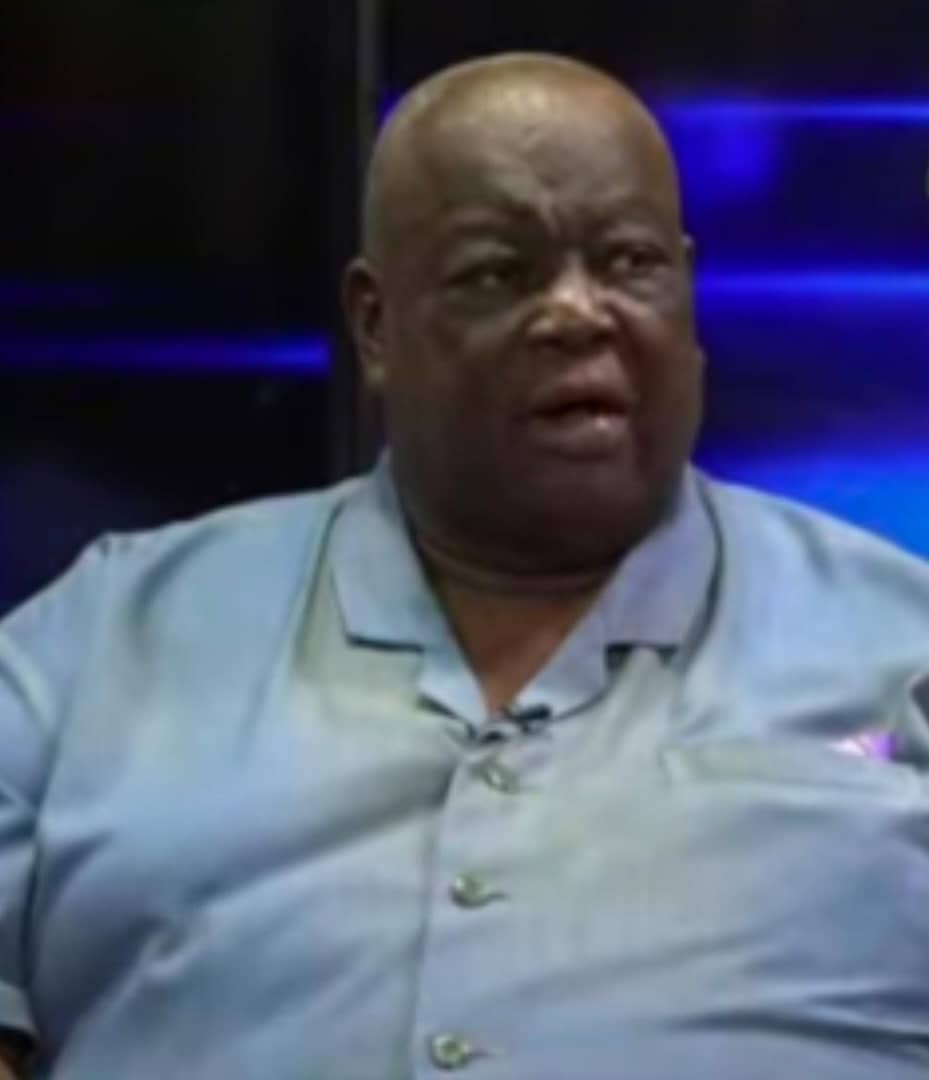
Retired educationist Sylvester Meheux has raised concerns over challenges affecting the implementation of Sierra Leone’s Free Quality School Education (FQSE) programme, particularly the number of teachers who are not on the government payroll and delays in the payment of school subsidies.
Speaking on the state of education in the country, Meheux said the continued presence of teachers working outside the government payroll places additional pressure on schools and could undermine efforts to deliver quality education.
“We have a lot of teachers who are not on the payroll, and the subsidies are coming late. These are some of the challenges facing free quality education,” Meheux said.
His comments come amid continuing discussions about the sustainability and effectiveness of the FQSE programme, which was introduced to remove financial barriers to education and improve access and learning outcomes.
The issue of teachers not being placed on the government payroll has been a longstanding concern within Sierra Leone’s education sector.
Previous assessments of the education system have identified a backlog of teachers awaiting approval and inclusion on the payroll, alongside challenges related to the timely disbursement of school grants and subsidies.
When teachers who are actively working in schools are not formally absorbed into the government payroll, schools can face difficulties in meeting their financial obligations.
In some cases, school subsidies and other local resources may be used to provide stipends to teachers who are not receiving government salaries.
Meheux’s concerns also extend to the timing of school subsidies.
Although government subsidies are intended to support schools with essential operational needs, delays in receiving the funds can make it difficult for school administrators to plan effectively and meet expenses on time.
Recent concerns from education stakeholders have similarly focused on delayed subsidy payments.
In May 2026, the Sierra Leone Teachers Union reportedly appealed for intervention over outstanding school subsidies, arguing that delays were placing additional pressure on schools and threatening effective teaching and learning.
The Government has previously acknowledged challenges surrounding both teachers’ payroll and school subsidies. In September 2025, the Ministry of Basic and Senior Secondary Education reported that thousands of teachers had been suspended from the payroll during a verification exercise.
Following engagements with the Teachers Union, 1,802 teachers were restored to the payroll, while further verification was announced.
The ministry also reported that outstanding school subsidies had been paid at the time.
Beyond the financial implications, the challenges raised by Meheux have wider consequences for the quality of education delivered in classrooms.
Teachers who work for extended periods without regular salaries may experience financial difficulties that can affect morale and motivation. At the same time, schools operating without timely subsidies may struggle to purchase teaching and learning materials, maintain facilities and meet other basic operational needs.
The Anti-Corruption Commission has also identified delays in the payment of school-fee subsidies as a challenge requiring attention.
Its national strategy includes measures such as verifying school enrolment figures and strengthening digital systems to monitor enrolment and match subsidy payments.
For education stakeholders, ensuring that teachers are properly accounted for on the government payroll and that schools receive subsidies on time remains critical to sustaining the gains made under the FQSE programme.
Meheux’s remarks therefore add to the growing call for stronger financial management, timely funding and effective teacher workforce planning as Sierra Leone continues its efforts to provide accessible and quality education for all children.
While the FQSE programme has significantly expanded access to schooling, education stakeholders continue to stress that access alone is not enough.
Adequate funding, properly supported teachers, functioning schools and timely government interventions are equally important to ensuring that free education translates into meaningful learning outcomes.
Copyright –Published in Expo Times News on Monday, 24th August 2026 (ExpoTimes News – Expo Media Group (expomediasl.com)