


By Aminata Abu Bakarr Kamara
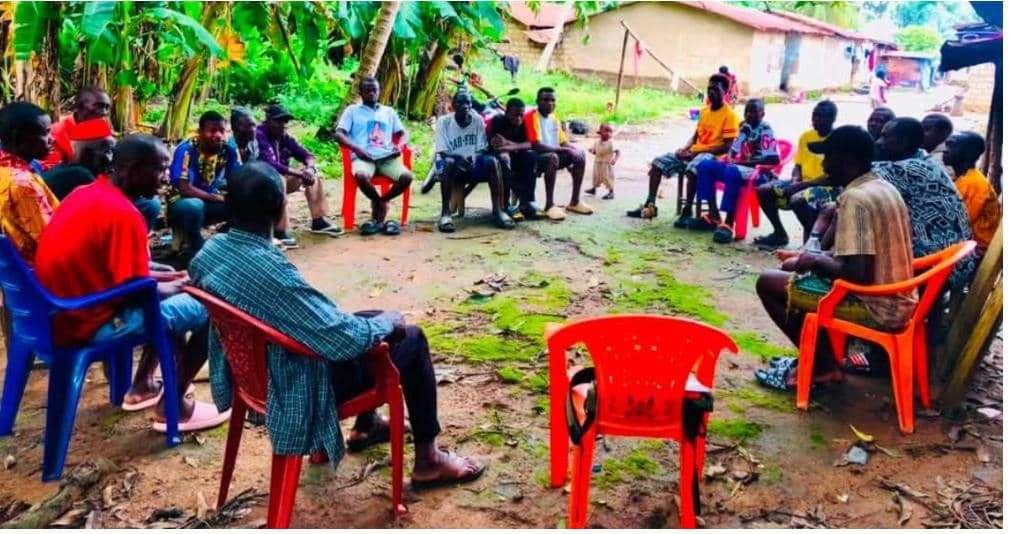
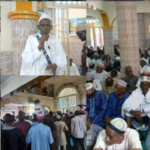
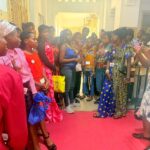
Men across Port Loko District are participating in transformative discussions aimed at promoting gender equality and fostering healthier relationships between men and women through the ongoing MASIDAMA sessions under the Promotion of Women’s Employment and Resources (POWER) Project, funded by Irish Aid through Trocaire.
The sessions, facilitated using the Male MASIDAMA Manual, are designed to challenge harmful gender norms and encourage men to become advocates for equality, respect, and positive social change within their communities.
One of the key sessions, titled “Understanding Power,” explored how power is experienced, shared, and sometimes abused in homes and communities. Participants reflected on different forms of power and examined how unequal power relations can contribute to discrimination, inequality, and gender-based violence.
Another session, “Thinking Outside the Box,” challenged participants to rethink traditional beliefs about masculinity and authority. Men were encouraged to consider that true leadership is rooted in respect, responsibility, fairness, and partnership rather than dominance or control.
A major highlight of the programme was the interactive “New Planet Exercise,” which enabled participants to role-play situations where individuals either possessed or were denied power and basic rights. Through the exercise, they examined four fundamental rights: the right to physical safety, the right to be treated with respect, the right to participate in decision-making, and the right to control one’s own sexuality.
The activity generated meaningful discussions as participants shared their emotional experiences. Those who were deprived of their rights described feelings of helplessness, exclusion, fear, and vulnerability, while those assigned positions of greater power spoke about feelings of confidence, authority, and influence.
Facilitators encouraged participants to relate these experiences to everyday realities within their communities, particularly the unequal power dynamics that often affect relationships between men and women. The discussions helped participants recognise how unequal access to power can limit opportunities, undermine dignity, and contribute to injustice.
Many participants acknowledged that the exercise had changed their perspectives on gender relations and the importance of respecting the rights and voices of women and girls. They expressed a commitment to promoting fairness within their families and communities and to challenging harmful practices that perpetuate inequality.
The MASIDAMA approach continues to provide safe spaces where men can openly reflect on their attitudes, behaviours, and responsibilities while learning practical ways to support gender equality and peaceful coexistence.
Implemented under the POWER Project, the initiative seeks to strengthen women’s empowerment by engaging men as partners in advancing equal rights, mutual respect, and shared decision-making. By encouraging critical reflection and positive behavioural change, the project is helping to build more inclusive communities where both women and men can thrive with dignity, equal opportunities, and respect.
Copyright –Published in Expo Times News on Wednesday, 29th July 2026 (ExpoTimes News – Expo Media Group (expomediasl.com)