



By Musa Aiahson Koroma
The Anti-Corruption Commission (ACC) has recovered assets worth NLe86.8 million between 2018 and September 2026, including two Toyota Land Cruiser Prado vehicles and a two-storey building in Koidu City, as part of efforts to retrieve proceeds of corruption.
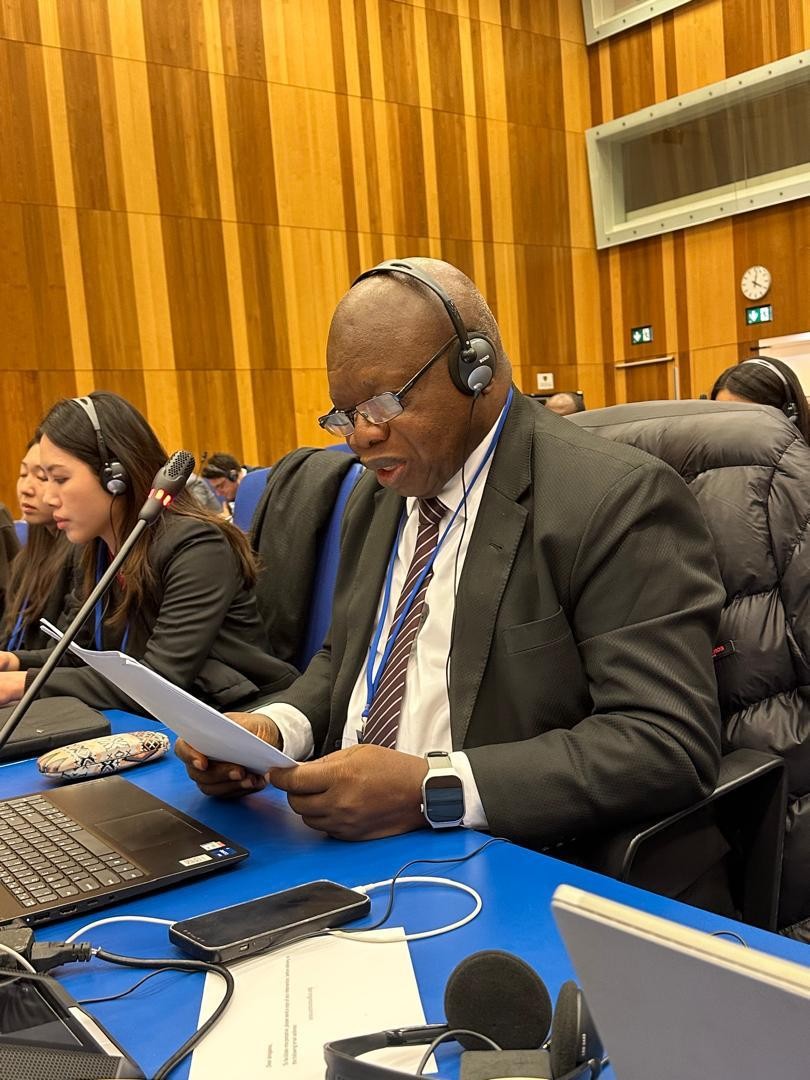
The recovery figures were disclosed by the ACC’s Deputy Commissioner, Augustine Foday Ngobie, during the 20th Session of the Open-ended Intergovernmental Working Group on Asset Recovery, held from November 3 to 5, 2026.
According to Ngobie, the total amount recovered between 2018 and September 2026 stands at NLe86,855,748, equivalent to approximately US$3.8 million. He also disclosed that the Commission recovered NLe1,886,000, approximately US$82,692, in 2026 alone, as of the period covered by his statement.
Beyond the financial recoveries, the ACC has retrieved two Toyota Land Cruiser Prado vehicles, each valued at approximately US$170,000. The vehicles have been handed over to the Government and people of Sierra Leone.
The Commission also recovered a two-storey building in Koidu City, Kono District, in the Eastern Province. The property, valued at approximately US$450,000, has been returned to the State.
The recoveries form part of the Commission’s efforts to ensure that assets acquired through corruption are identified, recovered and returned to public ownership. They also demonstrate the importance of asset recovery in strengthening accountability and protecting public resources.
Ngobie further highlighted Sierra Leone’s efforts to strengthen cooperation with other countries in tracing and recovering assets suspected to have been acquired through corruption.
He said Sierra Leone signed the African Asset Recovery Practitioners Forum (AARF) Charter in Nairobi, Kenya, in April 2025. The agreement provides a platform for cooperation among practitioners involved in asset recovery across the continent.
He also disclosed that the country was at an advanced stage of signing a Memorandum of Understanding with Liberia’s Asset Recovery and Property Retrieval Task Force.
The proposed agreement is expected to strengthen cooperation between the two countries in preventing corruption and tracing, identifying, investigating, restraining, seizing, confiscating, managing, recovering and returning assets and properties linked to corruption.
On asset declaration, Ngobie said the ACC had fully digitised the process and introduced a biennial system to improve the submission and management of declarations by public officials.
He reported that, as of August 11, 2026, a total of 13,036 declarants had submitted their declarations out of a target of 16,144, representing an 81 per cent compliance rate. He noted that the figure reflected progress in compliance, although the final compliance rate for 2026 had not yet been established.
However, the Deputy Commissioner acknowledged that the Commission continued to face challenges in verifying asset declarations. He identified the need for improved infrastructure and institutional capacity to support a risk-based verification system capable of identifying discrepancies and potential unexplained wealth.
Ngobie also highlighted the implementation of the Whistleblower and Witness Protection Regulations 2025 as another measure aimed at strengthening the fight against corruption.
He said the regulations were operationalized to encourage members of the public to report suspected corruption without fear of victimisation or retaliation. The measure is intended to strengthen public confidence in reporting mechanisms and improve the flow of information available to investigators.
According to him, increased public awareness has resulted in more people bringing corruption-related concerns to the Commission, making the ACC busier in receiving, recording and processing reports.
He stated: “There is now a heightened awareness among the public who are demanding accountability from state actors.”
The development, he explained, reflects growing public interest in accountability and the role citizens can play in exposing corruption.
Sierra Leone’s asset recovery efforts also form part of its broader obligations under the United Nations Convention against Corruption (UNCAC), which recognizes asset recovery as a key component of international cooperation in the fight against corruption.
The Commission’s disclosures at the international meeting highlighted both the progress made in recovering public assets and the institutional challenges that remain. These include strengthening verification systems, improving operational capacity and deepening cooperation with international partners to trace and retrieve assets held within and outside Sierra Leone.
The ACC maintained its commitment to strengthening asset recovery mechanisms and working with relevant national and international institutions to ensure that proceeds of corruption are recovered and returned to their rightful owners.
Copyright –Published in Expo Times News on Monday, 9th November 2026 (ExpoTimes News – Expo Media Group (expomediasl.com)