




By Aminata Abu Bakarr Kamara
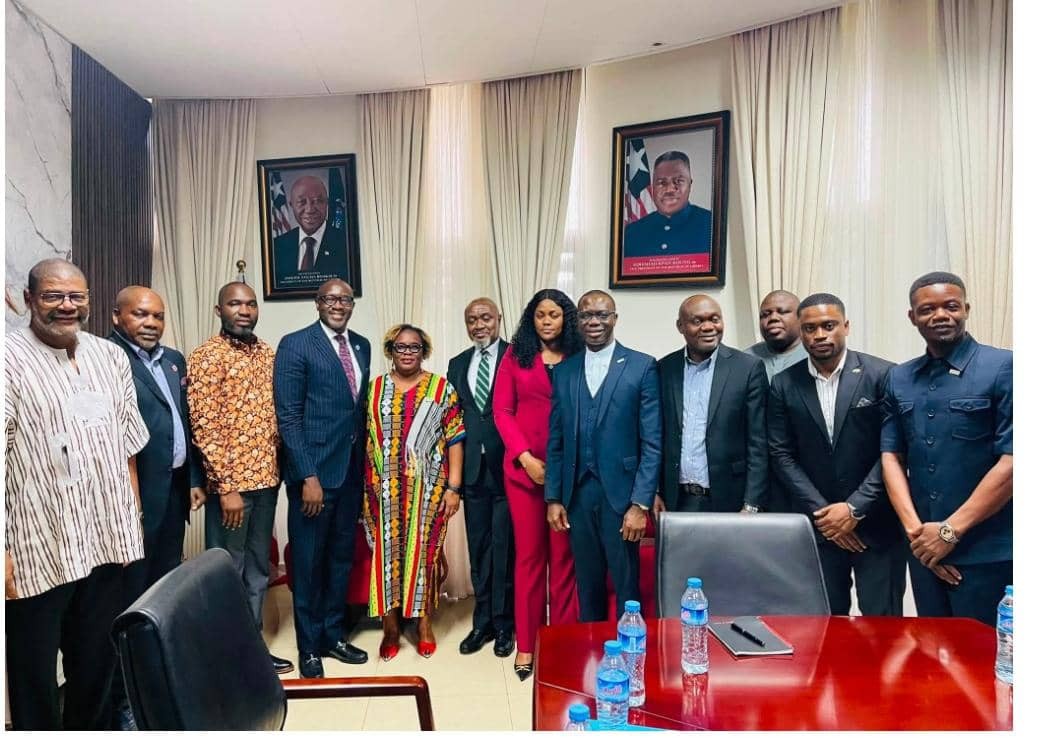
Sierra Leone and Liberia are strengthening cooperation in public procurement reform as the National Public Procurement Authority (NPPA) undertakes a two-day management study tour to Liberia’s Public Procurement and Concessions Commission (PPCC), with a focus on accelerating the implementation of Electronic Government Procurement (e-GP) systems.
The high-level engagement, led by NPPA Chief Executive Officer Chief Fodie J. Konneh, took place from 6–7 August 2026 in Monrovia, Liberia, under the theme “Learning from Liberia’s Electronic Government Procurement (e-GP) System Implementation.”
The visit forms part of Sierra Leone’s broader efforts to modernise public procurement through digital transformation, institutional reform and increased transparency in the management of public resources.
According to the NPPA, the study tour represents a strategic opportunity for the two neighbouring West African countries to share experiences, identify practical solutions to common challenges and strengthen institutional collaboration in public financial management.
Both Sierra Leone and Liberia are currently implementing Electronic Government Procurement systems, which are designed to transform traditional procurement processes by moving key activities onto digital platforms. Such systems can improve efficiency, enhance transparency, strengthen accountability and make it easier to monitor procurement activities.
While the two countries are pursuing similar reforms, they have reached different stages in the implementation of their respective systems. This makes peer learning particularly important, as lessons from one country can help the other avoid unnecessary challenges and improve the effectiveness of its own reform process.
For Sierra Leone, the experience of Liberia provides an opportunity to gain practical knowledge from a country that has already progressed in its e-GP implementation journey. The lessons could prove valuable as the country continues the rollout of the Salone e-GP System and prepares for wider adoption across public institutions.
The study tour is expected to provide Sierra Leonean officials with a deeper understanding of the practical realities associated with introducing a nationwide digital procurement system, including institutional preparedness, stakeholder engagement, user adoption, capacity building and managing resistance to change.
Digital transformation in public procurement is not simply about introducing new computer systems. It also requires changes in institutional culture, procedures and the way government institutions interact with suppliers and contractors.
This is why the exchange between Sierra Leone and Liberia carries significance beyond technology.
It provides an opportunity for both countries to examine how procurement reforms can be implemented in a way that strengthens institutions while ensuring that public officials, businesses and other stakeholders have the skills and confidence required to use new systems effectively.
Receiving the Sierra Leonean delegation at the PPCC Headquarters in Monrovia, Executive Director of the PPCC, Hon. Bodger Scott Johnson, described the visit as a demonstration of the enduring relationship between Liberia and Sierra Leone.
He also described the engagement as a reaffirmation of both countries’ shared commitment to strengthening public institutions and improving governance.
According to Johnson, public procurement should no longer be treated merely as an administrative function. Instead, it should be recognised as a strategic component of governance with direct implications for economic growth, fiscal discipline and public confidence in government.
His position reflects the increasing importance of public procurement in national development. Governments across Africa spend significant amounts of public money on infrastructure, goods and services, making procurement systems central to ensuring that public funds are used efficiently and responsibly.
Weak procurement systems can create opportunities for waste, inefficiency and poor value for money. Strong and transparent procurement systems, on the other hand, can contribute to better public services, stronger institutions and increased confidence among citizens and businesses.
Leading the Sierra Leonean delegation, Chief Fodie J. Konneh said the primary objective of the study tour was to obtain first-hand knowledge of Liberia’s experience in implementing its Electronic Government Procurement System.
He said the visit would also allow both institutions to exchange experiences and identify areas where sustained collaboration could be developed.
For Sierra Leone, the timing of the visit is particularly important as the country continues to implement the Salone e-GP System.
Several modules of the system have already commenced implementation, while preparations continue towards broader nationwide adoption. The lessons obtained from Liberia could therefore help Sierra Leone strengthen its implementation strategy and address potential challenges before they become major obstacles.
Among the key areas of interest are the sequencing of reforms, institutional change management and strategies for building confidence among users of the digital procurement platform.
Successful implementation of e-GP depends heavily on the willingness and ability of procurement officers, government institutions, suppliers and contractors to use the system effectively. Without adequate training and stakeholder engagement, even a technically advanced platform may fail to deliver its intended benefits.
Sierra Leone’s delegation therefore has an opportunity to examine how Liberia has approached these challenges and identify practices that can be adapted to the Sierra Leonean context.
At the same time, the study tour is not a one-way learning exercise.
Sierra Leone is also pursuing important legislative and policy reforms that could contribute to broader improvements in public procurement. These include proposals relating to beneficial ownership disclosure, gender-responsive procurement, sustainable procurement and the introduction of the Most Advantageous Bid methodology.
Such reforms demonstrate that Sierra Leone’s procurement transformation extends beyond digitalisation.
Beneficial ownership disclosure, for example, can strengthen transparency by providing greater insight into the individuals who ultimately own or control companies participating in public procurement. Gender-responsive procurement can help ensure that procurement policies take into account the participation and economic opportunities of women-owned and women-led businesses.
Sustainable procurement, meanwhile, seeks to ensure that purchasing decisions consider not only cost but also environmental and broader social impacts.
The proposed Most Advantageous Bid methodology could also provide a broader basis for evaluating bids by placing greater emphasis on overall value rather than simply selecting an offer based on the lowest price.
Together, these reforms point towards a procurement system that is increasingly being viewed as a tool for achieving wider national development objectives.
The Sierra Leone-Liberia engagement therefore represents an important example of how regional cooperation can support governance reform.
The two countries share historical, cultural and geographical ties, as well as many development challenges. Their cooperation in public procurement demonstrates how these shared circumstances can become an advantage when governments choose to learn from one another.
Rather than each country attempting to develop solutions independently, peer learning allows institutions to benefit from experiences that have already been tested elsewhere.
For Sierra Leone, Liberia’s e-GP journey can provide valuable practical lessons. For Liberia, engagement with Sierra Leone can also create opportunities to assess its own reforms from a regional perspective and learn from Sierra Leone’s emerging legislative and policy innovations.
The broader significance of the study tour lies in this spirit of cooperation.
Across Africa, governments are increasingly embracing digital technologies as part of efforts to improve public-sector efficiency and strengthen accountability. However, technology alone cannot guarantee better governance. The effectiveness of digital reforms ultimately depends on strong institutions, clear legislation, capable personnel, reliable infrastructure and sustained political and administrative commitment.
The implementation of e-GP systems must therefore be accompanied by continuous training, public awareness, technical support and monitoring.
For businesses, especially small and medium-sized enterprises, digital procurement systems must also be accessible and user-friendly. If suppliers are unable to understand or navigate the system, digitalisation could unintentionally create new barriers to participation.
This makes stakeholder engagement a critical component of Sierra Leone’s e-GP rollout.
The study tour also reinforces the importance of regional partnerships in strengthening public financial management. As governments face increasing demands to demonstrate how public funds are spent, procurement authorities have a critical responsibility to ensure that systems are transparent, competitive and capable of delivering value for money.
The engagement between the NPPA and PPCC could therefore become the foundation for longer-term institutional cooperation, including technical exchanges, capacity building and continued sharing of experiences as both countries advance their digital procurement programmes.
For Sierra Leone, the immediate priority will be to translate the lessons from Liberia into practical improvements in the Salone e-GP implementation process.
The success of the digital procurement system will ultimately be measured not simply by the number of institutions connected to the platform, but by whether it improves efficiency, strengthens transparency, increases competition, reduces procurement risks and delivers better value for public resources.
The two-day study tour may therefore represent only one step in a much longer reform journey.
But by learning from one another, Sierra Leone and Liberia are demonstrating that public-sector transformation does not have to happen in isolation.
Their growing cooperation in procurement reform sends a wider message across the region: when neighbouring countries share knowledge, confront common challenges together and embrace digital innovation, governance reforms can become more sustainable, effective and responsive to the needs of citizens.
As Sierra Leone advances the nationwide rollout of its Salone e-GP System, the experience gained from Liberia could prove instrumental in shaping a procurement system that is more transparent, efficient and accountable and ultimately better equipped to support the country’s development ambitions.
Copyright –Published in Expo Times News on Monday, 10th August 2026 (ExpoTimes News – Expo Media Group (expomediasl.com)