



By Josephine Sesay
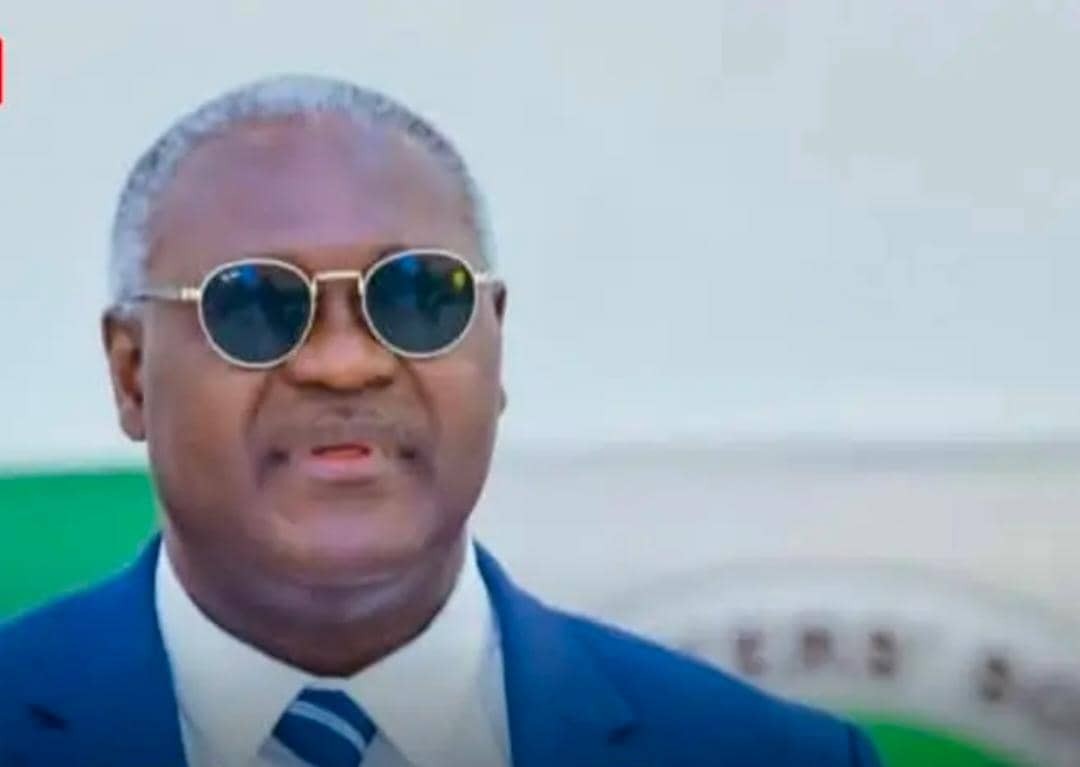
APC flagbearer aspirant and former Attorney-General and Minister of Justice, Joseph Fitzgerald Kamara (JFK), has outlined a range of economic and governance proposals, including a private-sector-led electricity distribution model, biweekly salaries for public-sector workers and greater diversification of Sierra Leone’s economy.
Kamara made the proposals while speaking on AYV’s State of the Nation, where he discussed some of the key challenges facing the country and what he described as potential solutions under an administration led by him.
Private Sector to Take Greater Role in Electricity Distribution
On the country’s persistent electricity challenges, Kamara proposed a model in which private companies would be responsible for distributing electricity in designated geographical zones, while the government would concentrate primarily on regulation and oversight.
According to Kamara, such an arrangement could reduce the financial and operational burden on government while creating greater accountability and efficiency in the delivery of electricity services.
He argued that allowing different private-sector operators to manage specific zones could introduce competition and encourage service providers to improve reliability and customer service.
Kamara also linked Sierra Leone’s energy challenges to corruption, suggesting that addressing corrupt practices would be essential to achieving sustainable improvements in the sector.
He called for a combination of immediate interventions to address current electricity shortages and longer-term reforms aimed at creating a more efficient and sustainable energy system.
Economic Diversification Beyond Minerals
Kamara also used the programme to outline his vision for economic diversification, arguing that Sierra Leone cannot rely heavily on mineral resources as the main driver of economic growth.
He said a government under his leadership would place greater emphasis on sectors such as fisheries, tourism and mechanized agriculture, which he believes have significant potential to create employment and generate wealth.
The APC flagbearer aspirant said investment in these sectors could provide more opportunities for young people while strengthening domestic production and reducing the economy’s dependence on extractive industries.
He particularly highlighted fisheries as an area where Sierra Leone has considerable potential, pointing to the country’s marine resources and opportunities within the wider African market.
Proposal for Biweekly Salaries
In another major proposal, Kamara said public-sector workers should be paid every two weeks instead of receiving their salaries once a month.
He argued that more frequent salary payments would allow workers to have money in their pockets sooner, potentially increasing spending and stimulating economic activity.
According to Kamara, the proposal could have wider benefits for businesses and the economy as workers would have greater purchasing power throughout the month.
While the proposal would require adjustments to existing public-sector payroll and financial management systems, Kamara presented it as part of a broader strategy to increase economic activity and improve workers’ financial wellbeing.
JFK Questions State’s Exposure Under Lungi PPP
Kamara also raised concerns over the financial implications of the Public-Private Partnership (PPP) arrangement surrounding the Lungi International Conference Centre.
He challenged claims that the project carries no financial risk for the government, arguing that the involvement of state-backed collateral could expose the government to financial obligations under certain circumstances.
His comments add to ongoing public discussions about PPP arrangements and the extent to which government should assume financial responsibilities or guarantees when entering into partnerships with private investors.
Kamara stressed the importance of transparency and careful scrutiny of such agreements to ensure that projects intended to support national development do not create unexpected financial burdens for the state.
Focus on Fisheries and African Markets
The former Justice Minister further defended Sierra Leone’s marine resources, maintaining that the country has substantial opportunities to develop its fisheries sector.
His comments come amid concerns surrounding access to European markets for Sierra Leonean fish products and the challenges facing local fisheries operators seeking to expand exports.
Kamara argued that restrictions in one market should not prevent Sierra Leone from exploiting opportunities elsewhere, particularly across Africa.
He suggested that greater attention to regional and continental markets could help strengthen the fisheries industry, create employment and increase the sector’s contribution to the national economy.
A Broader Economic Vision
Kamara’s proposals form part of what he presented as a broader vision for reducing government pressure, expanding private-sector participation and creating new sources of economic growth.
From electricity distribution to salary payments and economic diversification, his proposals focus on restructuring key areas of the economy while seeking to increase private-sector involvement.
However, implementing such proposals would require detailed policies, financing mechanisms and institutional reforms, particularly in sectors such as electricity and public-sector payroll.
As the APC prepares for its next political contest, Kamara’s proposals add to the growing debate among potential flagbearers over how Sierra Leone can address its energy challenges, create jobs, strengthen public finances and build a more diversified economy.
Copyright –Published in Expo Times News on Monday, 7th September 2026 (ExpoTimes News – Expo Media Group (expomediasl.com)