
Sierra Leone Hosts Landmark ECOWAS Judicial Council Meeting
By Josephine Sesay
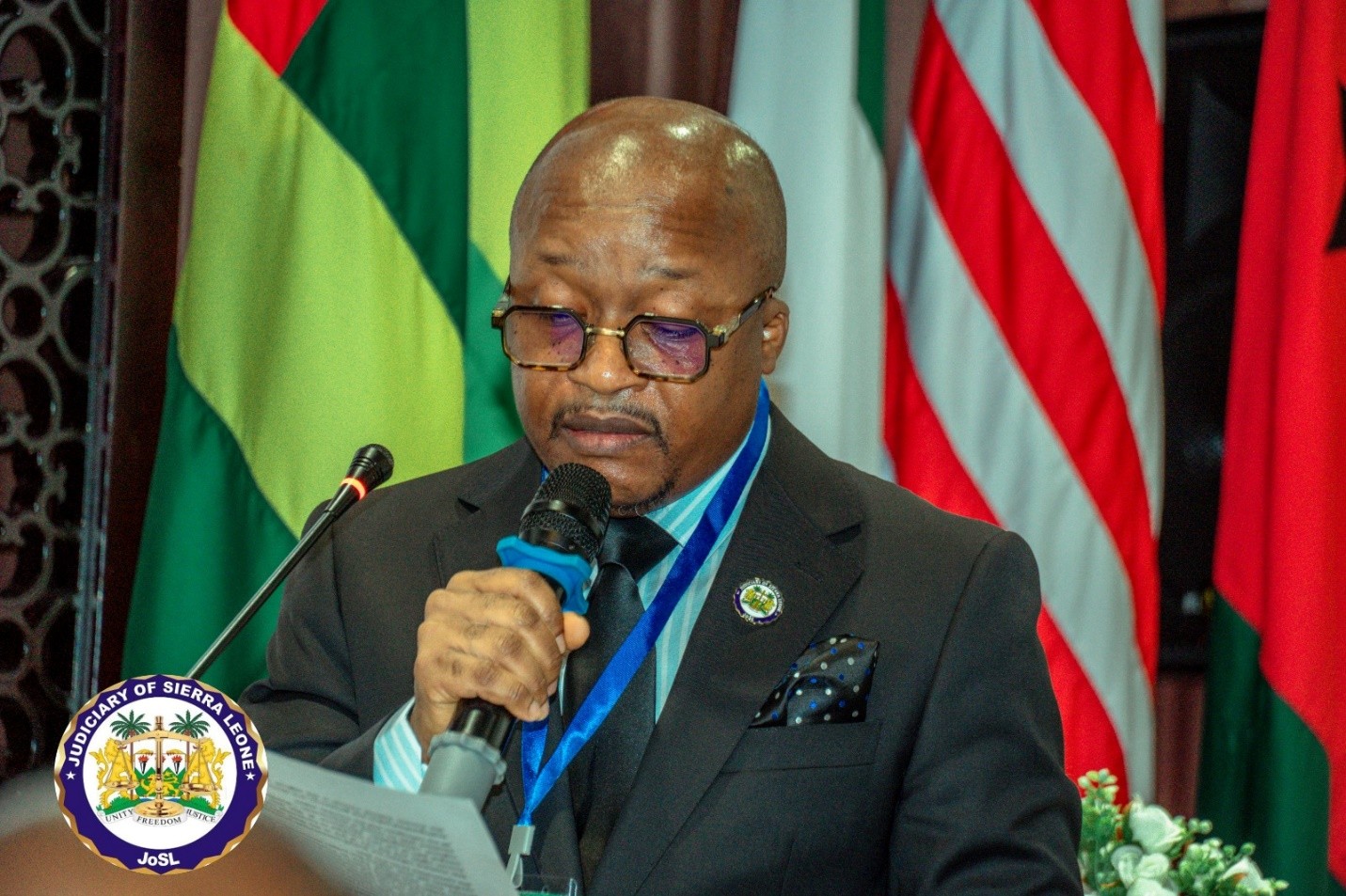
Hon Chief Justice Komba Kamanda, Chair of the ECOWAS Council of Judges
In a defining moment for West Africa’s legal and institutional evolution, Sierra Leone has taken center stage as host of the Statutory Meeting of the ECOWAS Judicial Council.
Convened at the Atlantic Lumley Hotel in Freetown on 20th-24th April, 2026, just about few days to Sierra Leone’s 65th Independence anniversary on 27th April, the high-level gathering brought together Chief Justices, senior judges, policymakers, and representatives of the ECOWAS Commission to deliberate on the future of justice across the region.
More than a routine statutory engagement, the meeting has emerged as a pivotal moment, one that reflects a growing regional consensus on the need for independent, efficient, and harmonized judicial systems capable of addressing the complexities of a rapidly changing West Africa.
A Historic Milestone for Sierra Leone
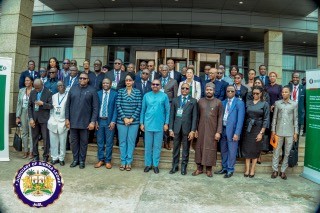
A cross-section of participants with VP Dr Juldeh Jalloh, CJ Kamanda, and First Lady Fatima Maada Bio (centre) outside the conference venue
Hosting the Judicial Council for the first time marks a significant milestone in Sierra Leone’s democratic and legal journey. The event signals international recognition of the country’s ongoing reforms and its commitment to strengthening the rule of law.
At the center of this achievement stands Honourable Chief Justice Komba Kamanda, whose leadership has been widely acknowledged as instrumental in elevating Sierra Leone’s judicial standing within the region.
Opening the session, Chief Justice Kamanda, who also chairs the Council, described the meeting as both symbolic and strategic.
“This gathering reflects our collective responsibility to uphold justice not only within our respective jurisdictions but across the entire ECOWAS region,” he stated.
A Leader of Integrity and Vision
In many respects, the success of the meeting reflects the steady and principled leadership of Chief Justice Kamanda. Colleagues across the region have commended his commitment to judicial independence, professionalism, and institutional reform.
Under his stewardship, Sierra Leone’s judiciary has continued to strengthen public confidence, demonstrating a firm dedication to fairness, accountability, and the rule of law.
Legal observers note that his emphasis on merit-based systems and ethical standards aligns closely with the broader vision of the ECOWAS Judicial Council.
“His leadership exemplifies the values this Council seeks to promote,” one delegate remarked during the session, highlighting the respect he commands among peers.
Setting the Tone: Leadership from the Bench
Chief Justice Kamanda’s opening address underscored the importance of judicial credibility in sustaining public trust. He noted that the legitimacy of any legal system depends on the integrity of those entrusted with its administration.
“The strength of our judiciary lies in the confidence people have in its fairness and independence,” he said, urging delegates to remain committed to the principles that define justice.
He further emphasized that the Council, established under Decision A/DEC.2/06/06, plays a critical role in ensuring that judicial appointments within ECOWAS institutions are guided by merit, integrity, and professional excellence.
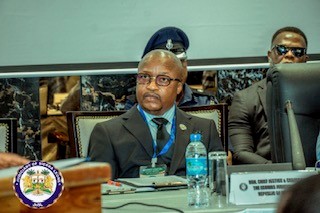
Chief Justice Komba Kamanda at the event
Sierra Leone’s Reform Agenda in Focus
Delivering the welcome statement, the Attorney General and Minister of Justice, Alpha Sesay, presented Sierra Leone as a nation undergoing significant legal transformation.
“You have come at a time when Sierra Leone is experiencing a legal renaissance,” he told delegates.
He highlighted a series of landmark reforms under President Julius Maada Bio, including the abolition of the death penalty; the Criminal Procedure Act of 2024; repeal of Part 5 of the Public Order Act relating to the Criminal Libel Law; progressive gender legislation, and the criminalisation of child marriage.
“Our direction is clear, to move from justice for the few to justice for all,” he emphasized.
The Minister also stressed that while national progress is important, regional cooperation remains essential in addressing shared challenges such as transnational crime and cross-border disputes.
Institutional Strength and Regional Support
Representatives of the ECOWAS Commission, including the Commissioner for Internal Services, Dr Habibu Yaya Bappah, reaffirmed the Commission’s commitment to strengthening judicial systems across member states.
In his statement, Commissioner Dr Bappah highlighted the need for efficiency, transparency, and accountability within regional institutions, noting that these principles are fundamental to maintaining public trust.
He also emphasized the importance of modernizing judicial processes through technology, pointing to digital innovations as a means of improving access to justice and enhancing the efficiency of court systems.
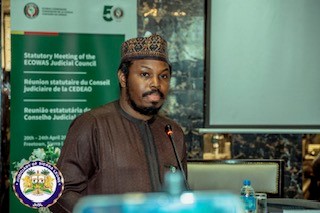
Dr Habibu Yaya Bappah
Political Will and Regional Integration
The Chairperson of the ECOWAS Council of Ministers Alhaji Timothy Kabbah, Sierra Leone’s Minister of Foreign Affairs and International Cooperation, reinforced the political dimension of judicial reform, stressing that strong legal institutions are essential for regional stability and integration.
“A credible judiciary is the backbone of democratic governance and economic development,” he noted.
He called for greater alignment between national and regional legal frameworks, emphasizing that harmonization is key to ensuring effective cooperation among member states.
A Visionary Keynote
Delivering the keynote address, Vice President Dr Mohamed Juldeh Jalloh provided a forward-looking perspective on the role of justice in shaping the region’s future.
“This meeting is not merely about legal systems, it is about the kind of society we aspire to build,” he said.
The Vice President highlighted the critical link between judicial independence and sustainable development, noting that investor confidence, social stability, and economic growth all depend on the credibility of legal institutions.
“No nation can thrive where justice is uncertain,” he stated.
He called for:
Stronger judicial independence.
Enhanced regional cooperation.
Investment in legal infrastructure.
Adoption of technology to improve access to justice.
He concluded by reminding delegates of the broader impact of their work: “The decisions made here will shape the lives of over 400 million people across West Africa.”
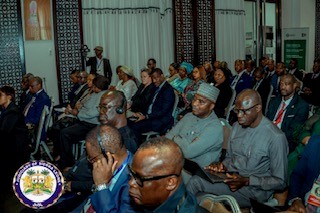
Participants at the event
Toward a Harmonized Legal Framework
A central theme of the meeting was the need for harmonization of legal systems across ECOWAS member states. Differences in legal frameworks often hinder cooperation, particularly in areas such as enforcement of judgments and cross-border litigation.
Delegates emphasized that aligning these systems is essential for facilitating trade, strengthening security, and enhancing the effectiveness of the ECOWAS Community Court of Justice.
The discussions highlighted the importance of collective action in building a legal environment that supports regional integration and economic growth.
Expanding Access Through Innovation
The meeting also underscored the role of technology in expanding access to justice. In many parts of West Africa, citizens face significant barriers in accessing legal services.
Digital tools, such as electronic filing systems and virtual hearings, were identified as critical solutions for improving efficiency and inclusivity within judicial systems.
Speakers agreed that investing in such innovations is essential for ensuring that justice is accessible to all, regardless of location, or socioeconomic status.
Safeguarding Judicial Independence
Throughout the deliberations, the importance of judicial independence remained a central focus. Participants emphasized the need for safeguards to protect courts from undue influence and ensure impartiality.
These include transparent appointment processes, secure tenure for judges, and adequate funding for judicial institutions.
Chief Justice Kamanda reiterated this point, stating, “Our courts must remain symbols of fairness, integrity, and truth.”
A Defining Moment for the Region
As the meeting progressed, it became clear that the ECOWAS Judicial Council is positioned as a key driver of legal transformation in West Africa. Its work extends beyond administrative oversight to shaping the future of justice in the region.
For Sierra Leone, hosting this landmark event represents both recognition and responsibility, a chance to contribute meaningfully to regional progress while reinforcing its own commitment to the rule of law.
Conclusion
The Statutory Meeting of the ECOWAS Judicial Council in Freetown stands as a powerful testament to the region’s commitment to justice, cooperation, and progress.
At the heart of this achievement is the leadership of Chief Justice Komba Kamanda, whose vision and dedication have helped position Sierra Leone as a respected voice in regional judicial affairs.
As delegates return to their respective countries, the message from Sierra Leone is clear: the future of justice in West Africa depends on unity, integrity, and a shared commitment to the rule of law.
In that shared commitment lies the promise of a stronger, more just, and more integrated region.
Copyright –Published in Expo Magazine, 2026 EditionMay Vol.5, No.2, (ExpoTimes News – Expo Media Group (expomediasl.com)