




DEVELOPMENT/MINING
By Emma Black
In the heart of Sierra Leone’s eastern province lies Kono district, a region endowed with rich diamond deposits, yet, for the residents of Kono, the presence of these precious stones has been more a curse than a blessing, since the establishment of Koidu Holdings in 2003, the community has grappled with environmental degradation, health crises, and socio-economic challenges, this article will delve into the multifaceted impact of Koidu Holdings on the people of Kono, exploring the environmental, health, labour, and socio-political dimensions of diamond mining in the region.
Koidu Holdings was founded in 2003, shortly after the end of Sierra Leone’s brutal civil war, as the first commercial diamond mining company to commence operations post-conflict, it symbolized a new era of economic potential, operating under the umbrella of Octea Limited, a subsidiary of Beny Steinmetz Group Resources (BSGR), Koidu Holdings took over the mining lease from Branch energy, a company that had been granted rights during the war in exchange for military assistance, while the company’s establishment was seen as a step towards economic revitalization, it soon became apparent that the benefits were not equitably distributed.
The local community began to experience the adverse effects of large-scale mining operations, leading to tensions and conflicts that persist to this day.
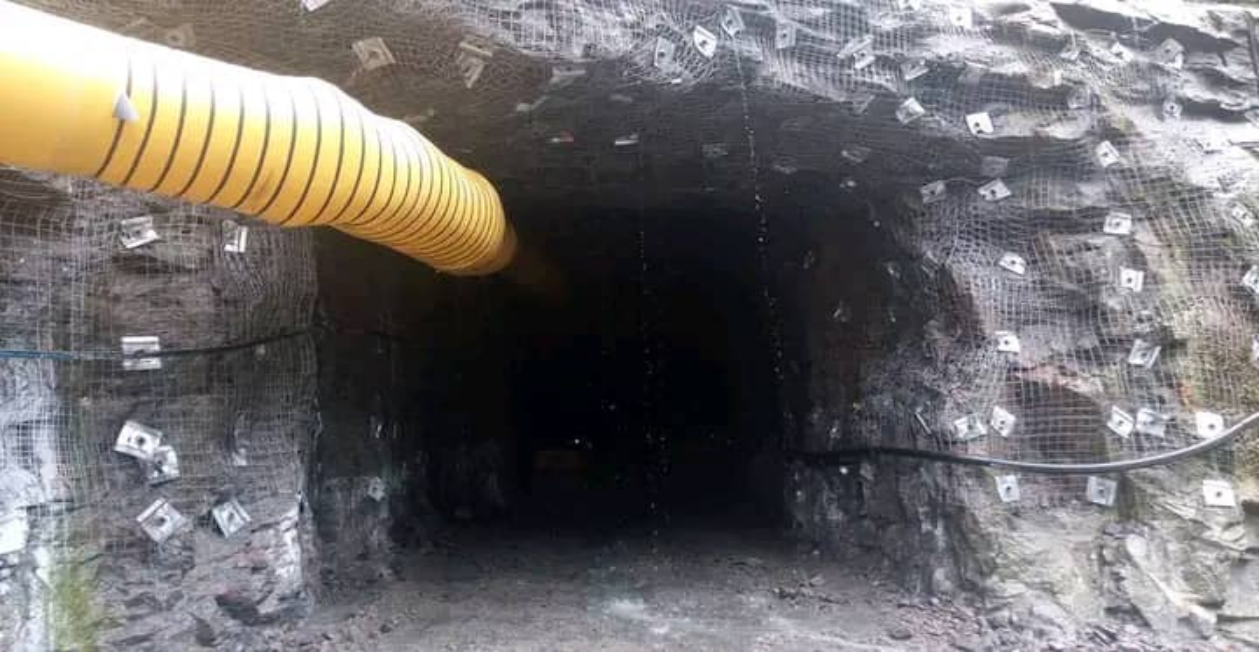
Environmental Degradation and Health Impacts
The environmental consequences of Koidu Holdings’ operations have been profound, residents report that mining activities have led to the contamination of water sources, resulting in skin rashes and gastrointestinal issues, dust from blasting operations permeates the air, causing respiratory problems and eye irritation, moreover, waste rock and rubble have encroached upon farmlands, rendering them infertile and disrupting agricultural livelihoods.
Madam Kumba King, the Tankoro queen mother and representative of the marginalized affected property owner’s association, lamented, “we used to farm and live in peace, but now our lands and water sources are poisoned and covered in rubble, our homes are shaken by explosives every day”.
The company’s resettlement efforts have also come under scrutiny, while Koidu Holdings claims to have provided suitable housing and social amenities in the Kimbadu resettlement site , residents argue that the relocation packages were inadequate, houses reportedly lack structural integrity, and the new settlements offer limited opportunities for sustaining livelihoods
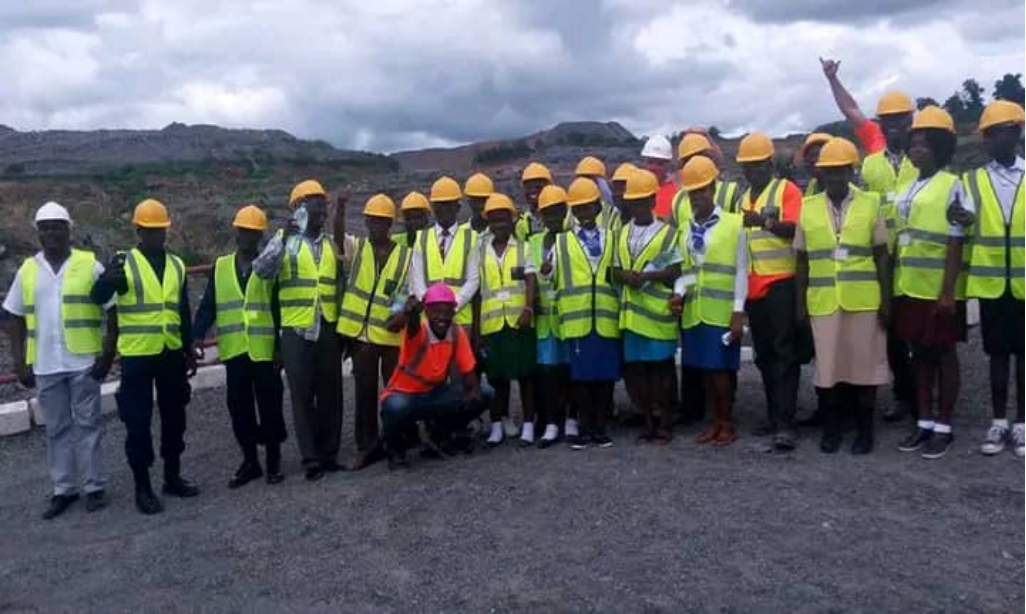
Labor Disputes and Workers’ Rights
Labour relations between Koidu Holdings and its workforce have been fraught with challenges, in December 2024, workers initiated a strike over grievances related to low wages, outdated exchange rates used for salary calculations, and poor working conditions, the strike resumed in March 2025 after failed negotiations, leading to the company’s shutdown and the dismissal of over 1,000 workers
Workers reported being paid based on a 2016 exchange rate of 6 Leones to the U.S. dollar, despite the current rate being approximately 24 Leones per dollar, this significant devaluation eroded the real value of their earnings, making it difficult to sustain their families, and, employees highlighted the lack of basic amenities such as clean water, proper sanitation facilities, and adequate safety gear.
In response to the labour unrest, the Ministry of Employment, Labour, and Social Security, intervened, leading to an agreement that included the introduction of quarterly bonus payments tied to diamond export pricing and the establishment of the Koidu workers forum to address ongoing concerns; however, the company’s decision not to re-employ dismissed workers and the broader implications of the shutdown continue to affect the community
The tensions between Koidu Holdings and the local community have occasionally erupted into violence, in 2007, a protest over inadequate compensation and resettlement led to a police crackdown, resulting in the deaths of two protesters, similar incidents occurred in 2012, highlighting the persistent unrest fuelled by perceived injustices
The government’s response has been criticized for its ineffectiveness, while inquiries and commissions have been established to investigate these incidents, their recommendations have often been disregarded, and no one has been held legally responsible
The lack of accountability and the continued marginalization of the Kono community have led to a sense of disenfranchisement, with residents feeling that their voices are not heard and their rights are not protected.
Civil society organizations Network Movement for Justice and Development (NMJD), Mr. Abu Brima, have played a crucial role in resolve to fight for Kono’s marginalized people and advocating for the rights of the Kono community.
And also, groups such as advocates for community alternatives have supported residents in filing lawsuits against Koidu Holdings and its parent companies, alleging property damage, environmental and health impacts, and breaches of community development agreements these legal actions have faced significant hurdles, including jurisdictional challenges and the complex corporate structures of multinational mining companies. Nevertheless, they represent a growing movement to hold corporations accountable for their actions and to seek justice for affected communities.
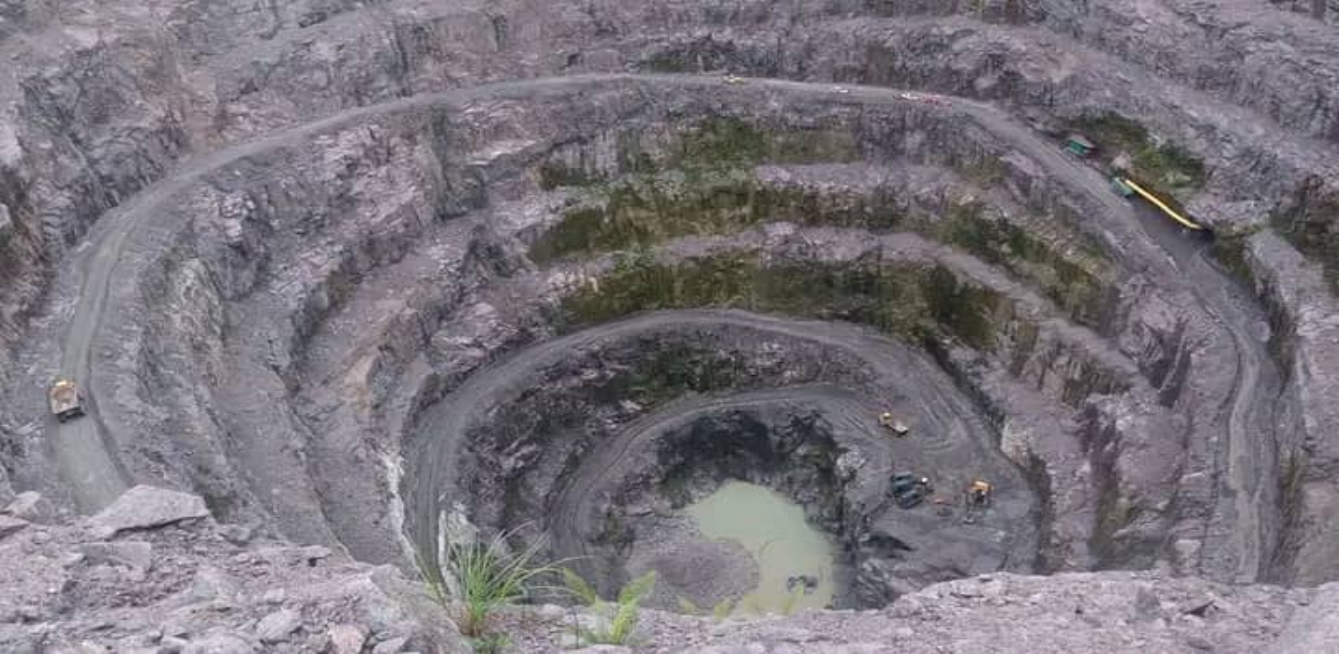
Economic Implications and National Impact
Koidu Holdings contributes approximately 12% of Sierra Leone’s total export value; the company’s shutdown has therefore had significant economic repercussions, not only for the local community but also for the national economy, the decline in mining sector exports from 8.8% to 2.3% reflects broader concerns about investor confidence and the sustainability of mining revenues, the labor unrest and operational disruptions underscore the need for a more equitable and sustainable approach to resource management, one that balances economic interests with the rights and well-being of local communities.

The First Lady’s Intervention
The silence was broken in early 2024 when Sierra Leone’s first lady, madam Fatima Bio, received delegations of affected workers and community members, deeply moved by their suffering, she reached out to Koidu Holdings to open dialogue, in over two separate meetings, the company reportedly acknowledged the issues and made several promises: they would travel to South Africa to consult their headquarters, and they pledged to pay 30% of the workers’ demands.
The first lady waited; the people waited. But the promises turned into betrayal, instead of following through, Koidu Holdings posted a public letter on social media bluntly stating that they would not pay the workers, the first lady, speaking in a powerful video address, expressed her disappointment and reaffirmed her commitment to justice, these people came to me because they had nowhere else to go, I will not abandon them.
She has since been working closely with the minister of mines and the minister of labour to find a resolution. Her efforts have sparked nationwide awareness and mobilized civil society groups across the country.
Rather than address the concerns raised, Koidu Holdings launched a smear campaign against Madam Bio, accusing her of political interference, according to multiple sources, the company hired public relations firms to manipulate their image while continuing their abusive practices behind closed doors.
Even local journalists and whistleblowers have been threatened. In one notable incident, when a reporter of the Expo Time’s Newspaper reached out to Ibrahim Turay, the company’s public relations officer, he declined to comment, saying the board had asked him to remain silent until further notice.
Copyright –Published in Expo Magazine, May-June 2025 Edition Vol.3, No.4, (ExpoTimes News – Expo Media Group (expomediasl.com)