



By Thaimu T Kamara
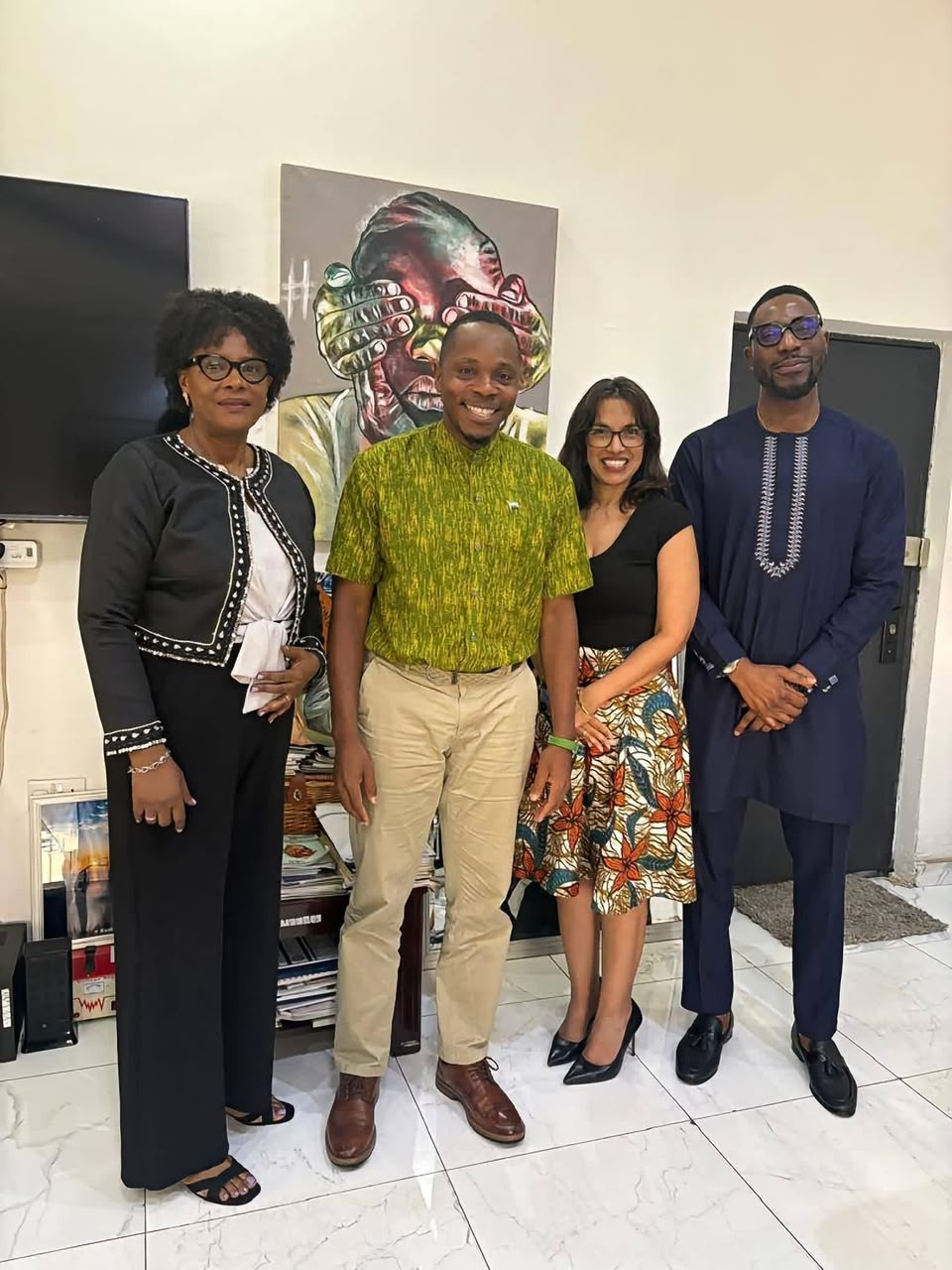
The Chief has held high-level discussions with the United Nations Resident Coordinator and members of the diplomatic corps on inclusive governance, sustainable national development and the state of democracy in Sierra Leone.
During the engagements, the Chief and his counterparts discussed shared aspirations for sustainable national development and the importance of strengthening trust between government, development partners and diplomatic missions.
The discussions brought together the UN Resident Coordinator and her team, as well as the Gambian and British High Commissioners, the Guinean, German, Irish and ECOWAS Ambassadors, and the Chargé d’Affaires of the European Union.
A major focus of the discussions was the recently passed Constitution Amendment, which the Chief described as the product of nearly two decades of inclusive participation, consultation and national dialogue.
According to the Chief, the amendments create greater opportunities for Sierra Leoneans in the diaspora to participate in elections, promote a more inclusive system of government and introduce proportional representation. He also highlighted the adoption of a 50% plus one threshold for winning a presidential election, describing it as a progressive reform. Sierra Leone previously required a candidate to secure 55% of the vote to win in the first round.
Questions were raised by some members of the diplomatic community about the parliamentary process surrounding the amendments. In response, the Chief emphasized the constitutional separation of powers among the Executive, Legislature and Judiciary.
He noted that Parliament, under the leadership of the Speaker, operates according to its own constitutional powers, rules and procedures. He stressed that the Speaker, who is constitutionally third in line to the Presidency, has specific powers that must be respected.
The Chief further stated that where constitutional questions or disputes arise, the Supreme Court, headed by the Chief Justice, who is fourth in line to the Presidency, remains the independent institution responsible for determining such matters.
He called for greater listening, dialogue and trust, arguing that no single account or individual interpretation should automatically be treated as the complete truth.
The Chief said the Executive had built on extensive work undertaken over approximately 20 years, including two Cabinet White Papers, the Tripartite Report and other position papers, before preparing the Constitution Amendment Bill.
The Bill was subsequently presented to Parliament, where it was debated and voted on over several months. He maintained that any decision on whether the amendments proceed to the Supreme Court is a matter for the relevant constitutional processes and is not subject to Executive influence.
He also defended the participation of Members of Parliament in the process, noting that MPs had the opportunity to contribute to the debates. He argued that choosing not to participate, including walking out during proceedings, was itself a political choice and a decision not to exercise their responsibility to citizens.
The Chief described the ongoing national debate as evidence of a healthy democracy, stressing that democracy and constitutional governance do not require citizens or institutions to agree on every issue.
However, he said important work remains unfinished. A further Bill addressing non-election-related constitutional amendments, proposed new chapters and provisions concerning entrenched clauses must still be considered.
He expressed confidence that all Members of Parliament would fully discharge their responsibilities to the people by participating constructively in the forthcoming debates.
The Chief said continued engagement among government, Parliament, the judiciary, diplomats and development partners would be essential to strengthening democratic institutions, building public confidence and advancing Sierra Leone’s national development agenda.
Copyright –Published in Expo Times News on Wednesday, 19th August 2026 (ExpoTimes News – Expo Media Group (expomediasl.com)