
Tourism as a Tool for Economic Growth
By Aminata Abu Bakarr Kamara
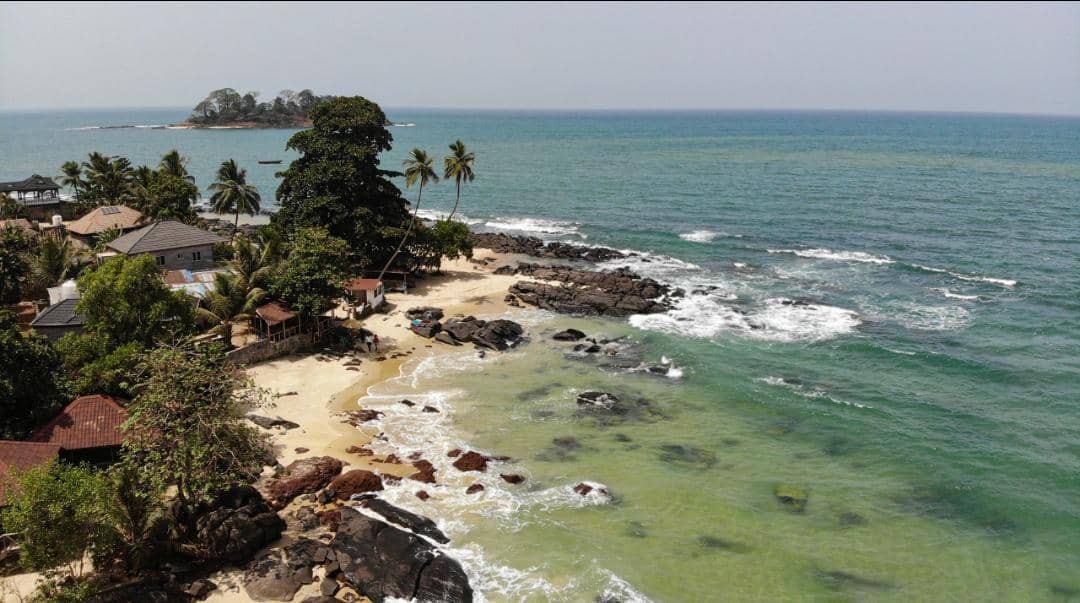
Sierra Leone, a West African nation blessed with pristine beaches, lush mountains, vibrant cultural traditions, and a rich historical heritage, has all the makings of a world-class tourism destination. From the white sands of River No. 2 to the historic Bunce Island once a hub in the transatlantic slave trade the country offers unique experiences that could rival some of the continent’s top tourist hotspots. Yet, the question persists: is Sierra Leone truly tapping into its tourism potential?
A Sleeping Giant of Opportunity
Tourism is globally recognized as a catalyst for economic growth, capable of creating jobs, attracting foreign exchange, and stimulating investment in infrastructure. For Sierra Leone, the sector presents an opportunity to diversify the economy beyond mining and agriculture. According to the Ministry of Tourism and Cultural Affairs, the country has seen steady, albeit slow, growth in visitor arrivals in recent years, with diaspora tourism and eco-tourism gaining attention.
However, compared to neighbors like The Gambia and Senegal, Sierra Leone’s market share remains modest. Experts point to underdeveloped infrastructure, limited international marketing, and visa bottlenecks as factors hampering progress.
Strengths That Sell
What Sierra Leone offers is authenticity untouched natural beauty and a culture that remains deeply connected to its roots. The Freetown Peninsula boasts some of West Africa’s most picturesque beaches, while the rainforests of the Gola and Outamba-Kilimi National Parks provide sanctuary for rare wildlife. Cultural tourism, fueled by music, dance, and cuisine, is equally promising, as is the country’s growing interest in heritage tourism, particularly for African-Americans and Afro-Caribbeans tracing their ancestry.
Barriers to Growth
Despite these strengths, several obstacles stand in the way. Poor road networks to tourism hotspots, inconsistent electricity supply, and limited hospitality training reduce the quality of the tourist experience. In addition, negative perceptions from past conflicts and recent health crises linger in the minds of potential visitors, despite the country’s current peace and stability.
Tapping the Potential
The government has taken steps to position tourism as a growth engine, including easing visa restrictions, partnering with airlines, and participating in international travel expos. Private sector stakeholders are also investing in eco-lodges, adventure tours, and cultural festivals. Yet, industry insiders argue that a more coordinated approach is needed—one that includes aggressive international marketing, targeted investment in infrastructure, and stronger community engagement to ensure local benefits.
The Road Ahead
If harnessed effectively, tourism could transform Sierra Leone’s economic landscape, generating sustainable livelihoods and enhancing the country’s global image. But realizing this vision requires a shared commitment from government, investors, and communities alike.
For now, Sierra Leone’s tourism potential is like an unopened treasure chest full of value, but requiring the right keys to unlock its wealth. The challenge lies not in what the country has to offer, but in how boldly and strategically it presents itself to the world.
Copyright –Published in Expo Magazine, September-October 2025 Edition Vol.3, No.6, (ExpoTimes News – Expo Media Group (expomediasl.com)