






The Chairman and Information Commissioner of the Right to Access Information Commission (RAIC), Dr. Ibrahim Seaga Shaw, has provided a comprehensive progress report on preparations for the upcoming International Conference of Information Commissioners (ICIC) and International Day for the Universal Access to Information (IDUAI) Conference, scheduled to take place in Freetown, Sierra Leone, in September 2026.
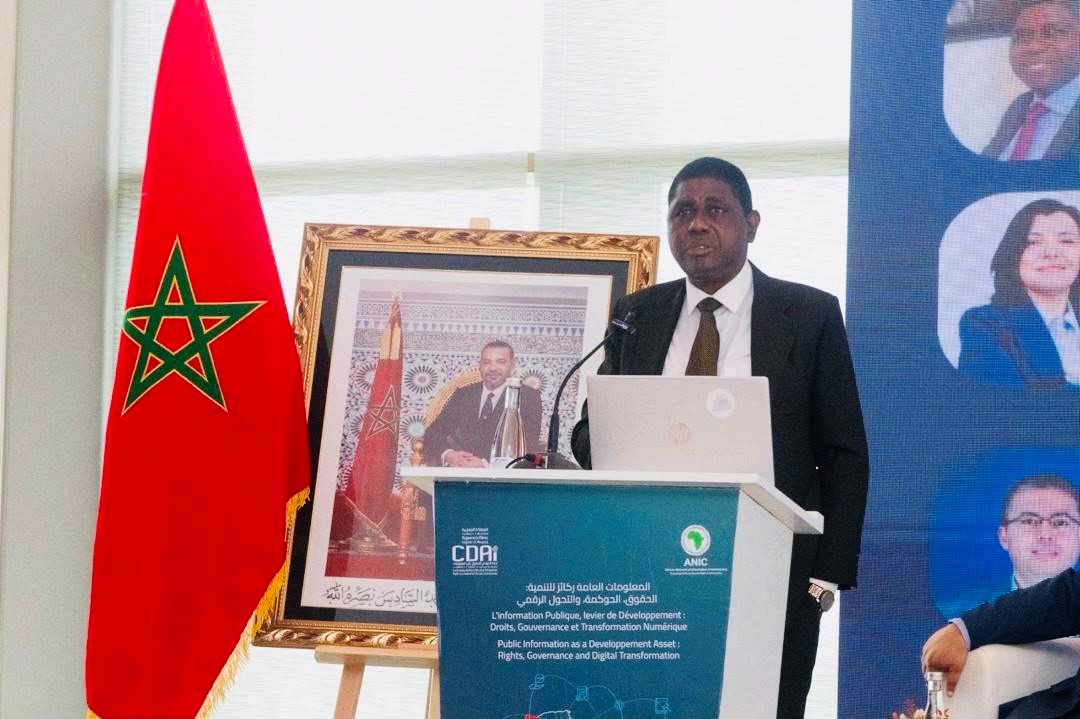
Addressing fellow Information Commissioners and stakeholders during the Annual General Meeting (AGM) of the African Network of Information Commissioners (ANIC) in Rabat, Morocco, Dr. Shaw highlighted the significant milestones achieved by the Local Organizing Committee and urged prospective delegates to begin preparations early.
Dr. Shaw directed participants to the official conference website, www.icic-iduai2026.org , which contains detailed information on registration, conference themes, accommodation, logistics, travel arrangements, and various programme clusters designed to guide delegates ahead of the landmark gathering.
He emphasized that early registration remains critical, noting that delegates who register ahead of time will benefit from negotiated promotional rates at partner hotels while also allowing organizers sufficient time to plan effectively for the arrival and participation of delegates from across the globe.
Providing reassurance on travel arrangements, Dr. Shaw informed participants that the Ministry of Internal Affairs of Sierra Leone has assured RAIC that delegates from countries requiring visas to enter Sierra Leone will be facilitated through a Visa-on-Arrival arrangement, ensuring a smooth and seamless entry process for conference participants.
As host of the joint ICIC–IDUAI Conference, Sierra Leone is also advocating for stronger African participation in the conference programme. Dr. Shaw noted that deliberate efforts are being made to secure increased African representation in plenary sessions and technical discussions to ensure that the continent’s experiences, innovations, and challenges in information access and data governance are adequately reflected in global conversations.
Dr. Shaw, who also served as a panelist during a high-level discussion on “Combating Disinformation and Strengthening Trust in Public Information Ecosystems,” shared Sierra Leone’s experience in promoting transparency, accountability, and access to information.
He highlighted the steady improvement in compliance levels among public authorities under Sierra Leone’s Right to Access Information framework. According to Dr. Shaw, public institutions are increasingly responding to information requests and embracing transparency as an essential component of democratic governance.
The Information Commissioner further informed participants of ongoing efforts to amend the Right to Access Information Act of 2013 to strengthen its implementation and align it with emerging global standards. He disclosed that the proposed amendments are being developed alongside Sierra Leone’s Data Protection legislation, which is expected to soon enter the pre-legislative stage before Parliament.
Dr. Shaw underscored that the twin reforms will create a stronger legal framework that balances the public’s right to information with the protection of personal data, while enhancing trust in public institutions and strengthening democratic accountability.
Held under the theme “Public Information as a Development Asset: Rights, Governance and Digital Transformation,” the two-day meeting provided a platform for African information regulators to assess progress made in advancing access to information, identify emerging challenges, and chart a collective path forward.
Welcoming delegates to Morocco, the President of Morocco’s Commission for the Right of Access to Information, Omar Seghrouchni, expressed his country’s delight in hosting fellow commissioners and conveyed confidence that the deliberations would produce meaningful outcomes for the continent.
Speaking at the opening session, ANIC Chairperson Pansy Tlakula reflected on the network’s remarkable growth since its establishment seven years ago following an ICIC conference hosted in South Africa.
She reported that ANIC now boasts more than thirty members across Africa and continues to serve as an important platform for peer learning, knowledge exchange, and collaboration among information regulators. According to Tlakula, the network’s core objective is to ensure that African countries share experiences and develop common approaches to advancing the right of access to information.
She described access to information as a fundamental enabler of numerous other rights, including health, education, governance, political participation, and socio-economic development.
The ANIC Chairperson also highlighted several challenges confronting access to information in the digital era, including the rise of misinformation and disinformation, the misuse of data protection laws in some jurisdictions to deny legitimate information requests, and inadequate funding for oversight institutions.
She called for a balanced approach that protects both privacy and transparency, stressing that the relationship between access to information and data protection should be managed in a manner that promotes democratic governance while safeguarding individual rights.
A major outcome of the AGM was the admission of The Gambia as a new member of ANIC following a comprehensive review of its application.
Delegates expressed satisfaction with the country’s compliance with membership requirements, particularly regarding institutional independence and security of tenure for commissioners.
The membership application of Zambia was deferred pending additional clarification on issues relating to the independence of its information oversight body. Zambia was not represented at the meeting.
The AGM also resolved that Ghana will host the next Annual General Meeting of the African Network of Information Commissioners (ANIC), following broad support from member states. The decision underscores Ghana’s continued commitment to advancing the right of access to information and strengthening transparency and good governance across the African continent. The next meeting is expected to build on the resolutions adopted in Rabat while further deepening cooperation, peer learning, and institutional collaboration among Africa’s information regulators.
The AGM was attended by ten-member countries, including Ghana, Malawi, South Africa, Liberia, Sierra Leone, Morocco, and others, reaffirming the growing commitment across Africa to strengthening access to information as a pillar of democratic governance and sustainable development.
Credit
David Patrick Kamara
Manager, Public Information and Communications
Right to Access Information Commission (RAIC) National Secretariat
Copyright –Published in Expo Times News on Wednesday, 1st July 2026 (ExpoTimes News – Expo Media Group (expomediasl.com)