



By Emma Black
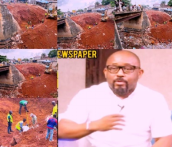
Tragedy struck early this morning in the Kamayama community of Lumley, where a three-storey residential building collapsed into the ground after more than three and a half hours of relentless rainfall. Monday, 2 June 2025 the incident occurred in the densely populated Pentagon area, where dozens of families reside in makeshift and poorly constructed homes.
As of the time of this report, no survivors have yet been pulled from the debris, rescue efforts are ongoing, led by the Republic of Sierra Leone armed forces (RSLAF), the Sierra Leone Police, and courageous local volunteers who are risking their lives in a desperate search for anyone trapped beneath the rubble.
The mood in Kamayama is grim, distraught families wait in anguish, clinging to hope as the hours pass. The heavy downpour has worsened already treacherous conditions, making rescue operations even more challenging.
This disaster, though devastating, is not an isolated event. It reflects a growing crisis facing many urban and peri-urban communities across Sierra Leone: unsafe housing, weak infrastructure, and inadequate disaster preparedness, experts and community members alike warn that Kamayama’s collapse is a tragic preview of what may come as the rainy season intensifies, dozens of similar structures, often built on unstable slopes or flood-prone land, remain at risk of collapse.
In response to the tragedy, there are mounting appeals to the Government of Sierra Leone, the National disaster management Agency (NDMA), and humanitarian organizations to act swiftly and decisively. Immediate priorities include:
Deploying heavy-duty rescue equipment and trained personnel to aid recovery operations, providing emergency relief and shelter to displaced families, launching rapid structural assessments in Kamayama and surrounding high-risk zones, developing and implementing early warning systems and community-based disaster preparedness measures
This is not the first time we’ve seen danger during the rains, said a resident of Kamayama, visibly shaken after witnessing the collapse, but today we saw death, and tomorrow, if nothing changes, it could be our own homes.
The collapse has left the community deeply unsettled, but also united in grief and determination. While national institutions mobilise, it is local youths, neighbours, and volunteers who are providing the first line of response often with no equipment and at great personal risk, this morning’s incident is not merely the result of a natural disaster. It is the outcome of systemic neglect: poor urban planning, lack of enforcement of building codes, and decades of disregard for vulnerable communities.
As the rainy season begins in earnest, the Kamayama collapse must be treated as a warning. The country can no longer afford to ignore the dangerous intersection of poverty, poor governance, and climate vulnerability, the people of Kamayama need more than thoughts and prayers—they need action. They need safe housing, functioning infrastructure, and leaders willing to prioritize human lives over political expediency, the soil may be unstable, but Sierra Leone’s resolve must not be.
Copy right –Printed in the Expo Times News on Wednesday, June 4TH, 2025 (ExpoTimes News – Expo Media Group (expomediasl.com)