


From Subsistence to Agribusiness – Are Young Sierra Leoneans Returning to the Land?
By Aminata Abu Bakarr Kamara
For decades, agriculture has been the backbone of Sierra Leone’s economy. Long before the discovery of minerals or the growth of urban centers, the land sustained communities through rice farming, vegetable cultivation, livestock rearing, and fishing. In rural districts across the country, farming has traditionally been more than an occupation—it has been a way of life passed down through generations.
Yet for many years, agriculture was not viewed as an attractive career path for young people. Many youths grew up watching their parents struggle with small-scale farming that yielded little income despite long hours of labor. As a result, agriculture gradually became associated with hardship and poverty.
Young people increasingly turned their attention to cities such as Freetown, Bo, and Kenema in search of office jobs, government employment, or opportunities in business and trade. Migration from rural areas to urban centers became common as youths pursued dreams that seemed far removed from farming.
The Big Shift
However, a quiet transformation may be beginning to take place.
With unemployment continuing to affect many young people, especially graduates and school leavers, some Sierra Leonean youths are beginning to reconsider the value of agriculture. But this time, they are approaching farming differently—not merely as subsistence agriculture, but as agribusiness.
Agribusiness represents a modern approach to agriculture that combines farming with entrepreneurship, technology, and market access. Instead of focusing only on growing crops for household consumption, agribusiness emphasizes production for commercial markets, value addition, and business development.
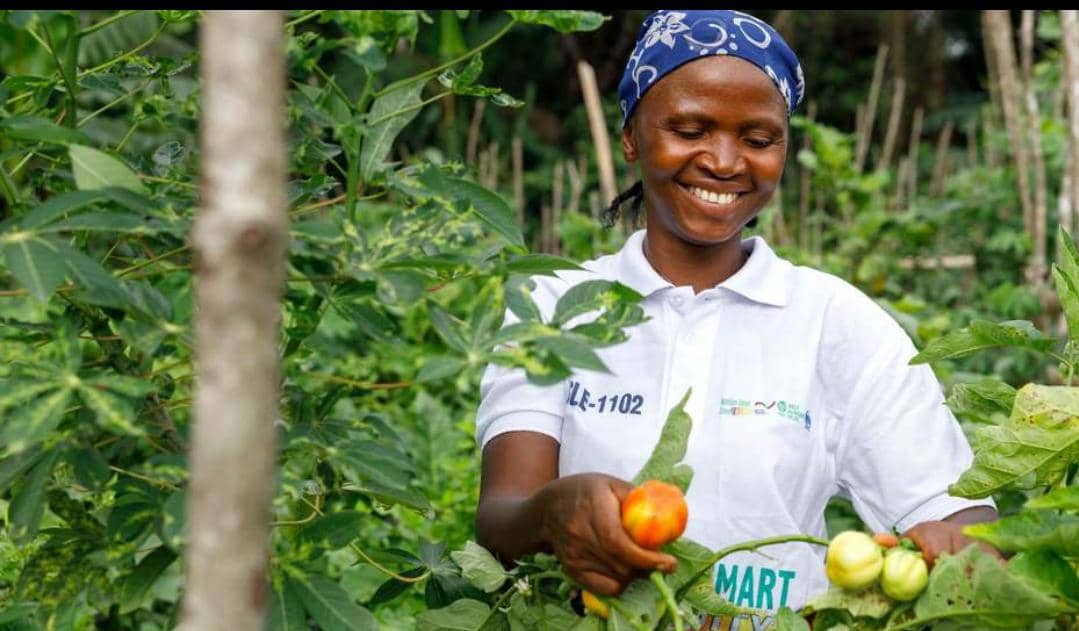
Across Sierra Leone, examples of youth-led agricultural initiatives are slowly emerging. Some young entrepreneurs are establishing poultry farms, while others are cultivating vegetables such as tomatoes, onions, peppers, and cabbage for sale in local markets. In other communities, young farmers are investing in rice production, cassava processing, and palm oil production.
These activities may appear small at first glance, but they represent an important shift in mindset. Young people are beginning to recognize that agriculture, when properly managed, can be both profitable and sustainable.
Government institutions and development partners are also making efforts to encourage youth participation in agriculture. Programs supported by the Ministry of Agriculture and Food Security aim to provide training, improved seeds, and farming equipment to farmers across the country. Some initiatives specifically target young people, encouraging them to see agriculture as a viable economic opportunity.
Agricultural training programs are also helping young farmers learn modern farming techniques. These include improved planting methods, irrigation systems, soil management practices, and the use of high-yield crop varieties. Access to such knowledge can significantly improve productivity and income.
Technology is gradually playing a role as well. Mobile phones and digital platforms allow farmers to access weather information, communicate with buyers, and learn about new farming techniques. Although these innovations are still developing in Sierra Leone, they demonstrate how agriculture can evolve into a modern and dynamic sector.
Challenges Despite these promising developments, significant challenges remain.
Access to land continues to be a major obstacle for many young farmers. In many communities, land ownership is traditionally controlled by families or elders, making it difficult for young people to secure farmland independently.
Financing is another major barrier. Agriculture often requires capital for seeds, fertilizers, machinery, and irrigation systems. Yet many young people lack access to loans or financial support from banks and lending institutions.
Infrastructure also plays a crucial role. Poor road networks in rural areas make it difficult for farmers to transport their produce to markets, leading to losses and reduced profits.
Addressing these challenges requires a coordinated effort from government, financial institutions, development partners, and local communities. Policies that support youth access to land, agricultural financing, and rural infrastructure could significantly strengthen the role of agriculture in economic development.
Agriculture has the potential to play a transformative role in Sierra Leone’s future. Beyond providing employment, it can strengthen food security, reduce dependence on imported food, and stimulate rural economic growth.
For many young Sierra Leoneans, the land may once again become a source of opportunity.
The question is no longer whether agriculture can sustain the country—it always has. The real question is whether the nation’s young generation would embrace it as a path toward innovation, entrepreneurship, and prosperity.
Copyright –Published in Expo Magazine, March-April 2025 Edition Vol.4, No.1, (ExpoTimes News – Expo Media Group (expomediasl.com)