



By Kadiatu A Turay.
In the heart of Lungi, a bustling town known for its airport and vibrant communities, the education sector remains a critical issue as the next generation seeks to secure their future. While education is a recognized pathway to social and economic advancement, access to quality schools in Lungi faces numerous challenges, placing pressure on students, parents, and educators alike.
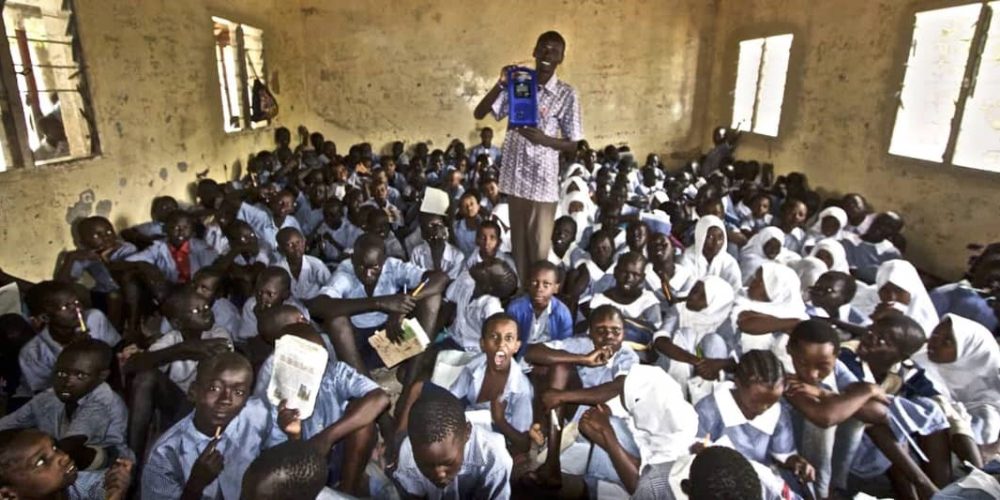
One of the most significant barriers to education in Lungi is access to schools. Many children, particularly in rural parts of the area, walk long distances to reach the nearest primary and secondary schools. This, coupled with limited transportation infrastructure, often discourages attendance, especially during the rainy season when road conditions worsen. Furthermore, overcrowded classrooms, with teacher-to-student ratios exceeding acceptable standards, compromise the quality of education.
Quality of Education and Teacher Shortages:
The quality of education remains a concern, as many schools are understaffed, with some teachers lacking the requisite training. Professional development opportunities are limited, leaving educators ill-prepared to deliver modern and interactive lessons that engage students. In many cases, outdated curricula and limited resources hinder the ability to foster critical thinking and creativity among students.
Literacy and Learning Outcomes:
Lungi’s literacy rates reflect these challenges, with national statistics showing that a significant portion of children are unable to read at the appropriate level for their age. Low literacy rates, coupled with poor learning outcomes in math and science, reduce the competitiveness of students as they transition into higher education or the job market. While there are bright spots, many schools still struggle to provide foundational skills essential for long-term success.
Initiatives for Improvement:
Despite these obstacles, several promising initiatives aim to uplift the education system in Lungi. Non-governmental organizations (NGOs) and community-based organizations have introduced literacy programs and learning centers to help children catch up on missed schooling. Furthermore, the Ministry of Basic and Senior Secondary Education (MBSSE) has launched a school improvement plan that focuses on providing textbooks, teacher training, and infrastructure development.
Additionally, partnerships with international donors have enabled the distribution of solar-powered learning kits, making remote learning possible in off-grid areas. These interventions, while impactful, highlight the urgent need for more sustainable solutions to increase school enrollment and retention rates.
The future of education in Lungi will depend heavily on increased investment in both infrastructure and human capital. Efforts to build more schools, especially in underserved areas, will need to be prioritized, alongside improved teacher training programs and access to modern educational materials.
For the children of Lungi, education remains the key to unlocking new opportunities, but significant challenges must be addressed for them to fully realize their potential. As community leaders, educators, and the government come together, the next generation can look forward to a brighter, more educated future.