





By Jensen Brian Abass Cummings
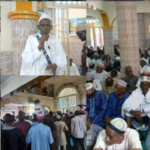
The journey of grief often begins unexpectedly, as it did for me on a solemn Easter Monday in Kissy, Freetown, where I attended the burial of a respected elder and friend. As we mourned, the procession to the Kissy Road Cemetery revealed a staggering reality: the frequent occurrence of funerals, signaling a deeper issue plaguing Sierra Leone. Amidst the grief, discussions arose about the underlying causes contributing to the nation’s high death rate, prompting reflections on the dire state of healthcare in the country.
The Grim Reality:
As the funeral procession slowly advanced towards the cemetery, the sight of three simultaneous burials at Kissy Road Cemetery underscored the severity of Sierra Leone’s mortality crisis. Conversations among mourners illuminated the pervasive nature of death due to various health-related and societal factors. Curiosity led to inquiries about the day’s burial count, revealing a startling truth: five burials had occurred between 2 to 3 PM, with an anticipation of five more by evening—a distressing testament to the scale of loss.
Identifying Root Causes:
The discussions surrounding Sierra Leone’s elevated death rate highlighted a multitude of systemic challenges:
- Inadequate Healthcare Facilities: Substandard infrastructure and resources hinder access to quality medical care.
- Shortage of Skilled Professionals: The scarcity of trained healthcare personnel exacerbates the strain on an already fragile healthcare system.
- Diagnostic Failures: Misdiagnoses and inappropriate treatments contribute to preventable deaths, revealing deficiencies in diagnostic protocols.
- 4. Decayed Hospital Conditions: Reports of a particular hospital symbolize the dire situation, where admission often leads to fatal outcomes amidst exorbitant costs.
- Financial Barriers to Care: The prohibitive costs of medical treatments render essential healthcare inaccessible to many.
- Lack of Professional Dedication: Instances of negligence among healthcare workers further erode trust in the system.
- Pervasive Drug Misuse: Unregulated access to medications fuels substance abuse and exacerbates health crises.
- 8. Rural Health Disparities: Remote communities suffer from limited access to healthcare services, exacerbating health inequalities.
- Economic Hardships: Poverty and financial instability compound health challenges, trapping individuals in a cycle of ill health.
- Cultural Influences: Deep-rooted beliefs and practices sometimes impede the adoption of modern healthcare practices, hindering progress.
- Shortcomings in Healthcare Training: Unqualified practitioners compromise patient safety and undermine the effectiveness of healthcare deliver
Path to Recovery:
Addressing Sierra Leone’s healthcare crisis demands concerted efforts at both governmental and societal levels:
- Infrastructure Overhaul: Invest in modernizing healthcare facilities to ensure adequacy and accessibility.
- Workforce Development: Expand medical education and training programs to cultivate a robust healthcare workforce.
- Enhanced Diagnostics: Implement advanced diagnostic technologies and protocols to improve accuracy and treatment efficacy.
- Regulatory Measures: Enforce stringent regulations to monitor medication distribution and combat drug misuse.
- Financial Support: Introduce subsidy programs and insurance schemes to alleviate the financial burden of healthcare expenses.
- Community Engagement: Foster public awareness and participation in health promotion initiatives to drive behavioral change.
- Cultural Sensitivity: Integrate traditional practices with evidence-based medicine to bridge cultural divides and enhance healthcare delivery.
- Rural Healthcare Access: Establish mobile clinics and telemedicine services to extend healthcare reach to remote areas.
- Government Accountability: Hold healthcare institutions and officials accountable for delivering quality care and outcomes.
- International Collaboration: Seek partnerships with global health organizations to leverage expertise and resources for sustainable development.
- Continuous Training: Invest in ongoing professional development to ensure healthcare practitioners remain competent and dedicated.
In conclusion, addressing Sierra Leone’s healthcare crisis requires a multifaceted approach that tackles systemic deficiencies while fostering a culture of accountability, innovation, and inclusivity. Only through concerted efforts can the nation overcome its mortality challenges and pave the way towards a healthier future for all its citizens.
Copy right –Printed in the Expo Times News on wednesday, Apirl 3rd, 2024 (ExpoTimes News – Expo Media Group (expomediasl.com)