


By Emma Black
From promises of free healthcare to the realities of overcrowded health facilities, medicine shortages and out-of-pocket payments, Sierra Leone faces a critical question: Is the money committed to healthcare reaching the women, girls and children who need it most?
For a pregnant woman in a remote community in Sierra Leone, accessing quality healthcare can mean more than finding the nearest health facility. It can mean arranging transport, finding money for medicines and other essential supplies, travelling long distances and hoping that skilled health workers and the necessary equipment will be available when she arrives.
For an adolescent girl seeking essential health services, the barriers may be different but equally difficult. Poverty, distance, limited information, shortages of supplies and the cost of accessing specialised care can stand between her and the healthcare she needs.
Sierra Leone has made important commitments to improving healthcare access, particularly for pregnant women, breastfeeding mothers and children under five through its Free Health Care Initiative. Community health workers and frontline health professionals also play an important role in extending essential services to underserved communities.
Yet, behind these commitments lies a question that deserves greater public scrutiny: Are the financial resources allocated to healthcare translating into accessible, affordable and quality services for women and girls across the country?
Healthcare financing is one of the most important determinants of whether people can access medical services without falling into financial hardship. A government may introduce free healthcare policies, announce increased health allocations and make commitments to improve maternal and child health.
However, these promises can only make a meaningful difference when sufficient resources are available, budgets are released on time, funds reach the intended facilities and healthcare workers have the medicines, equipment and support required to provide services.
For many families, the distinction between healthcare being officially free and being practically affordable can be significant.
The Free Health Care Initiative remains an important part of Sierra Leone’s efforts to protect vulnerable groups. However, the implementation of free healthcare must be examined beyond policy announcements. Questions remain about the availability of essential medicines, diagnostic services, medical supplies, referral systems, transport and the capacity of public health facilities.
When essential services or supplies are unavailable at a public facility, patients and their families may have to seek alternatives, potentially exposing them to additional costs. For families already struggling with poverty, these expenses can become a serious financial burden.
The challenge is particularly important for women and girls, whose healthcare needs extend beyond pregnancy and childbirth to include reproductive, sexual, menstrual, adolescent and general health services.
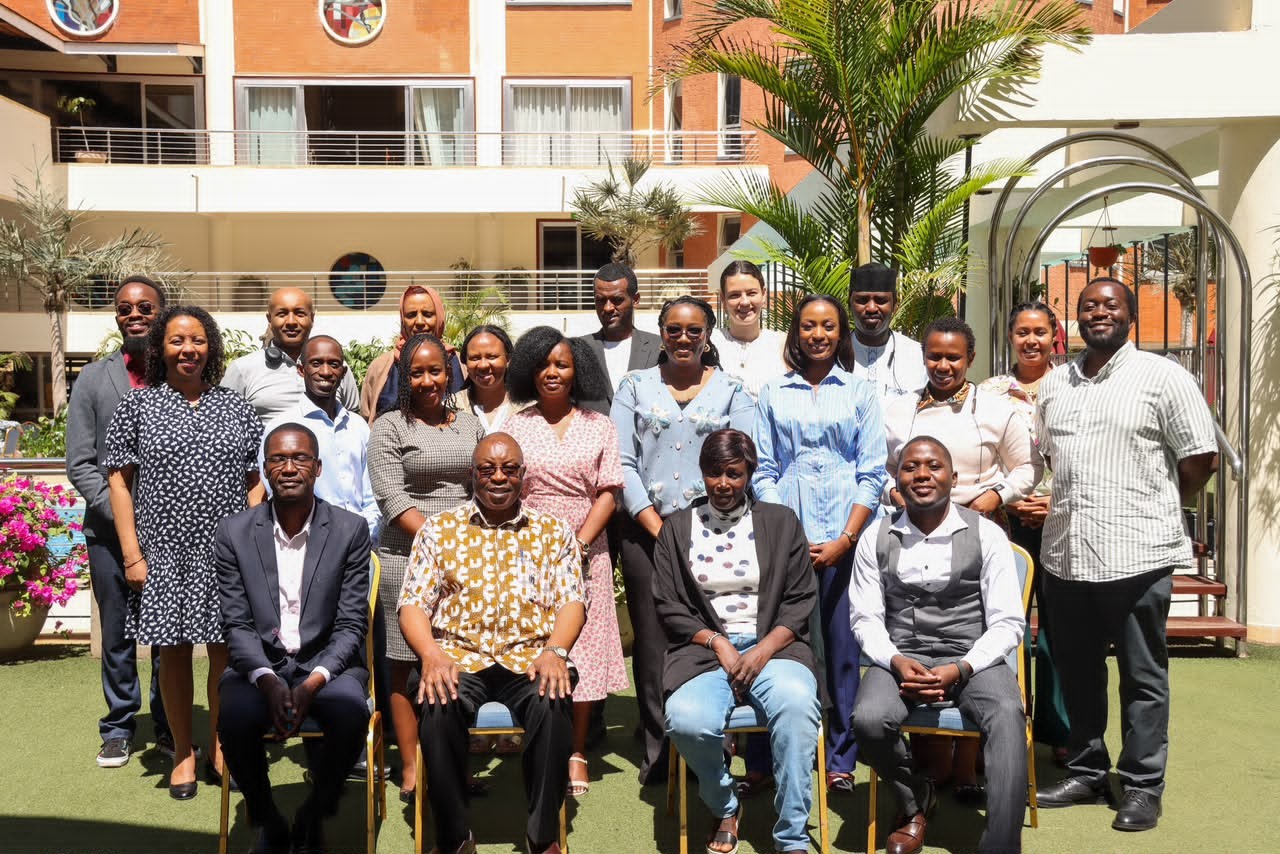
These questions were among the issues explored during the Nairobi Media Workshop on Health Financing in Africa, held from 28 to 30 October 2026 at the Mövenpick Hotel and Residences in Westlands, Nairobi, Kenya.
The three-day workshop brought together 14 journalists and editors from 11 African countries: Zimbabwe, Cameroon, Rwanda, Botswana, Zambia, Nigeria, Uganda, Ethiopia, Tanzania, Sierra Leone and Kenya. Kenya was represented by three participants, including a university student.
The gathering provided an opportunity for journalists and editors to examine how governments finance healthcare, how health budgets are prioritised and why financial commitments do not always translate into better services for communities.
Participants explored some fundamental questions: Which diseases cause the greatest burden of illness? Which health conditions place the heaviest financial pressure on households? How do people pay for healthcare in different African countries? What alternative financing arrangements could protect mothers and children from unaffordable medical expenses?
The discussions highlighted the importance of looking beyond the amount of money governments announce for healthcare. Journalists must also investigate where the money goes, how it is spent, who benefits and whether the intended communities receive the services.
For Sierra Leone, these lessons are particularly relevant because the country’s healthcare financing challenges cannot be understood through national budget figures alone. They must also be examined through the experiences of patients, health workers and families.
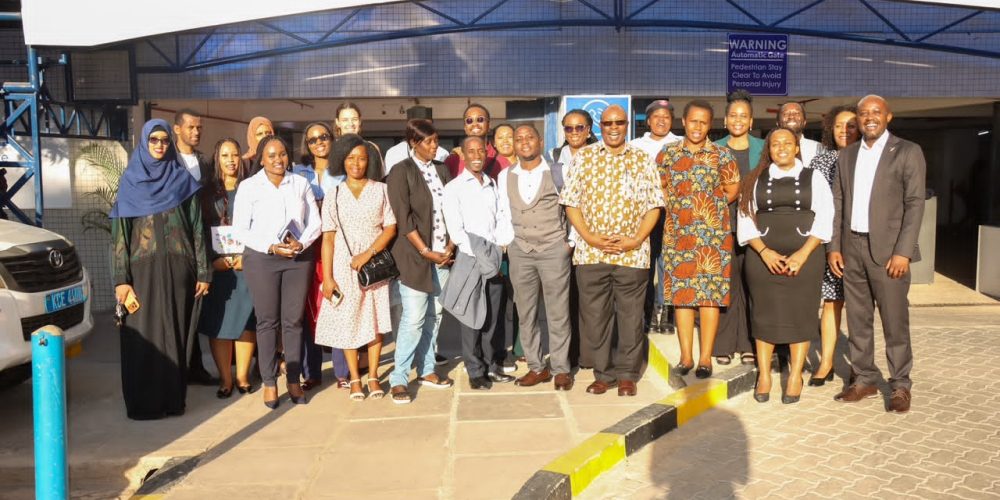
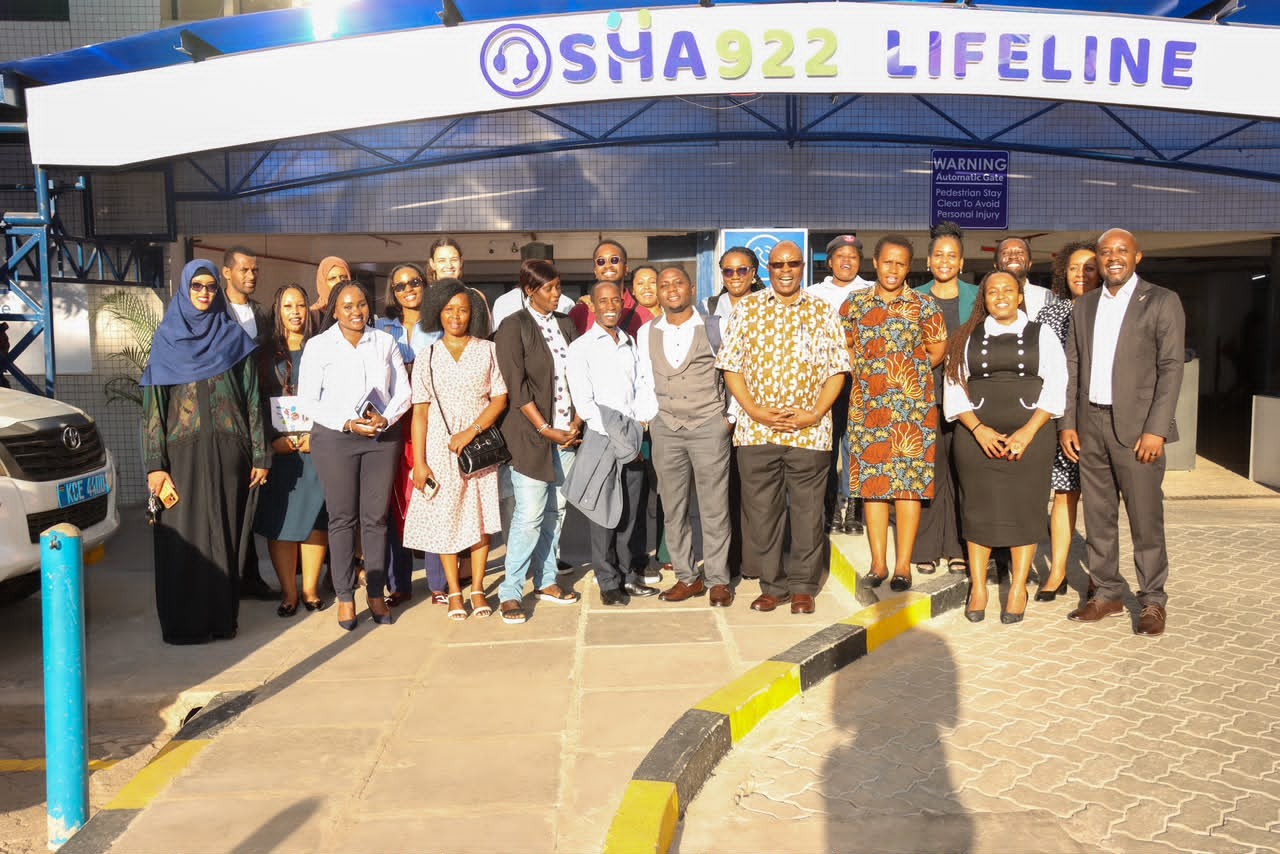
As part of the workshop, participants visited Kenya’s Social Health Authority, where they received an overview of the country’s approach to health financing and efforts to protect citizens from the financial burden of medical treatment.
During the engagement, Dr Jacob Mutinda, identified to participants as a director responsible for corporate affairs at the Social Health Authority, discussed the authority’s role and aspects of Kenya’s healthcare financing arrangements.
The discussion included emergency healthcare provisions and the ambition to ensure that citizens can access essential treatment without being pushed into financial hardship by out-of-pocket medical expenses.
The visit offered an opportunity to examine how alternative health financing arrangements could contribute to more equitable access to healthcare.
Kenya’s experience also raised important questions for Sierra Leone: Could stronger health insurance arrangements, better pooling of healthcare resources and more effective public financing help reduce the financial burden on mothers, children and vulnerable households?
Although the two countries have different health systems, their experiences offer useful lessons about the importance of financial protection, accountability and sustainable healthcare funding.
The key lesson is that access to healthcare should not depend entirely on whether a family can afford to pay at the point of illness.
In Sierra Leone, healthcare financing involves government funding, development partners, households and other sources.
The Free Health Care Initiative provides a policy framework for free services for pregnant women, breastfeeding mothers and children under five in eligible public health facilities. However, not every healthcare service or expense is automatically covered by this initiative.
Other patients, including many adults outside the eligible groups, may have to pay for consultations, medicines, diagnostic investigations and treatment, depending on the facility and service required.
Private healthcare facilities also provide services to people who can afford them, including patients seeking specialised treatment or alternatives when public facilities cannot meet their needs.
This creates an important distinction between the availability of healthcare and the ability to afford it.
For a low-income household, the cost of a consultation may be only one part of the financial challenge. Transport, laboratory tests, prescriptions, referrals, food and accommodation during treatment can add to the burden.
The consequences can be particularly serious for women who need urgent maternal healthcare and families dealing with childhood illnesses.
A healthcare policy may promise free services, but if a mother cannot afford transport to a facility or must purchase unavailable essential supplies, the financial protection remains incomplete.
One of the important discussions during the Nairobi workshop concerned the diseases and health conditions that cause illness and place significant financial pressure on households.
Participants examined the burden associated with cardiovascular diseases, kidney conditions, liver diseases and different forms of cancer.
These conditions often require specialised investigations, long-term treatment, regular monitoring and, in some cases, expensive medicines or referrals.
For households without adequate financial protection, the cost of managing chronic and serious illnesses can become overwhelming.
However, the financial burden of disease is not limited to specialised treatment. Maternal complications, childhood illnesses, infectious diseases and other preventable health conditions can also create substantial expenses for families.
For Sierra Leone, this reinforces the need for a health financing system that considers both immediate healthcare needs and the long-term costs of preventing and treating disease.
It also highlights why investment in primary healthcare, early diagnosis, prevention and community-based services is essential.
The question of whether health financing reaches women and girls goes beyond the amount allocated to maternal healthcare.
It requires examining whether pregnant women can access antenatal services, skilled birth attendance, emergency obstetric care and postnatal support without facing financial barriers.
It also requires examining whether adolescent girls can obtain appropriate reproductive health information and services, whether essential maternal medicines and supplies are available, and whether women in rural communities can reach facilities when complications arise.
For women living in remote communities, geographical barriers can compound financial challenges.
A woman may know that a health facility provides services but still struggle to reach it because of transport costs, poor roads or the distance between her community and the nearest facility.
For adolescent girls, affordability is only one part of the problem. Privacy, confidentiality, stigma, access to accurate information and the availability of adolescent-friendly services also matter.
Health financing decisions must therefore reflect the different healthcare needs of women and girls throughout their lives.
A major challenge in health financing is the gap that can exist between an approved budget and actual service delivery.
An allocation in a national budget does not automatically mean that a health facility receives the money when it needs it.
Funds may be delayed, resources may be insufficient, procurement processes may face difficulties, and facilities may struggle with shortages of essential medicines, equipment and trained personnel.
These are issues that require careful investigation in Sierra Leone.Journalists must examine not only how much the government allocates to healthcare but also how much is actually released and spent.
They must ask whether spending priorities reflect the needs of women, girls and children, and whether resources are distributed fairly between urban centres and rural communities.
The investigation must also establish whether healthcare facilities have the resources required to provide services promised under government policies.
The real measure of health financing is not simply the amount of money announced. It is whether a woman receives the treatment she needs, whether a girl can access essential healthcare and whether a child can obtain timely medical attention without placing an unbearable financial burden on the family.
Sierra Leone’s healthcare financing challenges require more than additional budget announcements. They demand stronger financial accountability, transparent spending and a commitment to ensuring that resources reach frontline services.
First, health budget information should be accessible to journalists, civil society organisations and the public. Citizens should be able to understand how much is allocated to maternal, newborn, child and adolescent health, how much is released and how the money is spent.
Second, the government and relevant health institutions should strengthen financial protection for vulnerable households, particularly women, children and people living with chronic illnesses.
Third, funding for primary healthcare and community health services must be prioritised. Community health workers and frontline health professionals need adequate training, supervision, medicines, equipment and operational support.
Fourth, essential medicines and medical supplies must be available in public health facilities. Free healthcare commitments cannot be fully implemented when patients are unable to obtain the services and supplies they require.
Fifth, investment in maternal and adolescent health should be informed by the realities of rural and underserved communities. Transport, referral systems, skilled health personnel and emergency services are all essential parts of effective healthcare delivery.
Finally, journalists, civil society organisations and community groups should be supported to monitor health budgets and demand accountability from institutions responsible for managing public resources.
For this investigation, the experiences of women, pregnant mothers, adolescent girls and families will be central.
Their stories will help establish whether healthcare financing policies are making a practical difference in their lives.
The investigation will also seek perspectives from nurses, midwives, community health workers, hospital administrators, health financing experts, civil society organisations and government officials.
Particular attention will be given to public health facilities in underserved communities, where the availability of medicines, equipment, skilled health workers and referral services can determine whether patients receive timely treatment.
The investigation will examine national health budget allocations, expenditure and releases, alongside available information on maternal, newborn, child and adolescent health financing.
It will also seek answers from the relevant government institutions about the implementation of the Free Health Care Initiative, the financing of essential health services and measures to reduce out-of-pocket spending.
By connecting the experiences of patients with financial and policy decisions, the reporting will seek to identify where the gaps occur and who is responsible for addressing them.
Sierra Leone’s commitment to improving healthcare access should be measured not only through policies, strategies and budget speeches but also through the experiences of the people those commitments are intended to protect.
For a pregnant woman, success means reaching a health facility and receiving timely, quality care without being prevented by financial difficulties.
For an adolescent girl, it means accessing appropriate healthcare with dignity, privacy and confidence.
For a mother with a sick child, it means receiving the treatment her child needs without being forced to choose between healthcare and other essential household expenses.
The Nairobi Health Financing Workshop reinforced the importance of journalism in examining the relationship between public commitments and the realities of healthcare delivery.
As Sierra Leone continues its efforts to strengthen its health system, the country needs greater transparency about how healthcare resources are mobilised, allocated, released and spent.
Ultimately, the question is not simply how much money Sierra Leone spends on healthcare. It is whether that investment reaches the people who need it most.
Africa’s Health Financing Crisis: ECA Calls for Investment as Sierra Leone Faces Questions Over Healthcare Funding
By Emma Black
As more than 150 million Africans are pushed into poverty annually by out-of-pocket healthcare payments, the United Nations Economic Commission for Africa is calling on governments to rethink how they finance health systems. Sierra Leone is among five countries selected for the initiative’s first year, raising an important question: Can the country turn its health financing commitments into affordable healthcare for women, girls and vulnerable communities?
Healthcare financing is emerging as one of Africa’s most pressing economic and development challenges, with millions of households struggling to pay for medical treatment while governments face mounting debt, declining development assistance and competing demands on limited public resources.
For a pregnant woman in rural Sierra Leone, a family seeking treatment for a sick child or a patient living with a chronic illness, the challenge is not simply whether healthcare exists. It is whether the services are affordable, accessible and adequately funded when they are needed.
The United Nations Economic Commission for Africa (ECA) is now calling for a fundamental shift in the way African governments approach healthcare financing, arguing that health should no longer be treated merely as an expenditure but as a strategic investment in economic development, productivity, human capital and national resilience.
The message was central to the Media Workshop on Health Investment in Africa, held in Nairobi, Kenya, from 28 to 30 October 2026, where journalists and editors from 11 African countries gathered to examine the relationship between healthcare, public investment and economic development.
For Sierra Leone, the discussions carry particular significance. The country is among five African countries selected to work with ECA during the first year of its Transforming Health Financing in Africa initiative, alongside Botswana, Ethiopia, Guinea and Togo.
The initiative presents an opportunity for Sierra Leone to examine how it mobilises domestic resources, allocates healthcare funding and protects households from the financial burden of illness.
But the central question remains: How can Sierra Leone ensure that increased investment in healthcare reaches hospitals, peripheral health units, frontline health workers, women, children and communities that need it most?
According to the ECA concept note presented for the Nairobi workshop, African governments spent approximately US$145 billion on health in 2022, yet governments finance less than 41 per cent of total healthcare expenditure on average.
This means households and development partners continue to carry a substantial proportion of the financial burden.
The consequences are serious. The ECA document states that more than 150 million Africans are pushed into poverty each year because of out-of-pocket healthcare payments.
For families without adequate health insurance or financial protection, illness can mean borrowing money, selling household assets, reducing food expenditure or delaying treatment because they cannot afford medical bills.
The situation is becoming more difficult as many African countries experience rising public debt, declining concessional financing, inflation and increasing healthcare costs.
At the same time, population growth, climate vulnerability and the changing pattern of diseases are placing additional pressure on already stretched health systems.
ECA argues that the current financing model is structurally fragile and cannot sustainably meet Africa’s growing healthcare needs.
The commission is therefore advocating a different approach: governments must integrate healthcare investment into national economic planning, fiscal policies and public financial management systems rather than treating health as a residual item in government expenditure.
An important foundation for this continental shift was established on 1 April 2026, when African ministers adopted the Declaration on Sustainable Health Financing in Africa, commonly known as the Tangier Declaration.
The declaration was adopted on the margins of the 58th session of the ECA Conference of African Ministers of Finance, Planning and Economic Development. It also marked the launch of the Transforming Health Financing in Africa initiative.Under the declaration, member states committed to three important priorities.
First, they agreed to increase domestic resource mobilisation for healthcare, reducing excessive dependence on external financing.
Second, they committed to strengthening collaboration between ministries responsible for finance, planning and health, based on a shared understanding that healthcare is an economic investment.
Third, they agreed to promote social health protection and health insurance as key mechanisms for reducing out-of-pocket healthcare spending.
The declaration also calls on ECA and its partners to support governments in translating these commitments into practical action.
For Sierra Leone, this means that healthcare financing cannot remain the responsibility of the Ministry of Health alone. The Ministry of Finance, economic planners and other relevant institutions must also be involved in determining how sustainable resources are mobilised and distributed.
A stronger partnership between the health and finance sectors could help ensure that health priorities are reflected in national development plans and annual budgets.
However, the real test will be whether these commitments translate into increased resources, improved financial protection and better services for ordinary citizens.
One of the most significant developments for Sierra Leone is its inclusion in the first group of countries working with ECA under the initiative.
According to the concept note, ECA is working with Botswana, Ethiopia, Guinea, Sierra Leone and Togo during the initiative’s first year, from 2026.
The work will involve analysis and diagnostics jointly identified with national governments to identify opportunities for creating fiscal space for healthcare.
Fiscal space refers to the financial capacity available to a government to increase spending on priority sectors without undermining economic stability or debt sustainability.
For Sierra Leone, this is particularly important because healthcare competes with other essential national priorities, including education, infrastructure, agriculture, energy and social protection.
The ECA approach seeks to bring health and finance ministries together to identify sustainable ways of financing healthcare, even under difficult economic conditions.
Rather than relying entirely on traditional government allocations and unpredictable donor support, the initiative aims to explore alternative financing mechanisms and improve the efficiency, transparency and accountability of public spending.
The inclusion of Sierra Leone offers an opportunity to examine whether existing health financing arrangements are sufficiently responsive to the needs of vulnerable populations, especially women, girls, children and people living in underserved communities.
It also creates an important opening for national dialogue on how the country can mobilise more domestic resources for health.
The ECA initiative proposes a system built around seven interconnected areas intended to transform how African countries plan, finance, govern and deliver healthcare.
Integrating healthcare priorities into national economic planning, fiscal frameworks and public financial management systems. Exploring alternative ways to mobilise resources, including debt-for-health swaps, solidarity taxes, environmental, social and governance bonds and blended financing instruments.
Using digital systems, financial tracking tools and real-time dashboards to improve transparency, monitoring and evidence-based decision-making.Strengthening primary healthcare systems and improving access to essential services, including through digital health records and appropriate technologies.
Promoting regional cooperation in pharmaceutical production, pooled procurement and cross-border health financing arrangements. Strengthening the ability of government institutions and professionals to plan, manage and monitor sustainable health financing. Changing public and political perceptions of healthcare from a financial burden into an investment that contributes to economic growth, social justice and resilience.
These priorities are particularly relevant to Sierra Leone, where improvements in primary healthcare, medical supplies, health infrastructure and financial protection remain important to strengthening access to services. The discussion about sustainable health financing has important implications for maternal, newborn, child and adolescent health.
In Sierra Leone, the Free Health Care Initiative provides an important framework for supporting pregnant women, breastfeeding mothers and children under five in eligible public health facilities.
However, the existence of a free healthcare policy does not automatically guarantee that every patient receives all the services, medicines and supplies required.
Women may still encounter transport costs, referral challenges, shortages of medicines and difficulties accessing specialised services.
For adolescent girls, access to appropriate reproductive and general health services also depends on the availability of trained professionals, essential supplies, confidentiality and affordable care.
The ECA initiative’s emphasis on social health protection and reducing out-of-pocket payments is therefore particularly relevant.
If financing reforms are designed around equity, they could help protect low-income households from catastrophic medical expenses and improve access to essential services.
But this will require more than introducing insurance schemes. Governments must also determine how people who cannot afford insurance contributions will be protected.
The ECA concept note specifically recognises the challenge of subsidising people who cannot afford to contribute to health insurance, particularly as official development assistance continues to decline.
This is a critical consideration for Sierra Leone, where financial protection mechanisms must account for the circumstances of poor and vulnerable households. The Nairobi workshop also provided opportunities to examine healthcare financing experiences in other African countries.
Ethiopia was highlighted in the ECA concept note as an example of efforts to expand health insurance, strengthen community healthcare and improve access to specialised services.
Its community-based health insurance and social health insurance arrangements are described as covering tens of millions of households and helping protect low-income and rural populations against catastrophic out-of-pocket expenditure.
Ethiopia’s Health Extension Programme has also deployed tens of thousands of community health extension workers, focusing on maternal and child health, vaccination, sanitation and early intervention.
The country is further expanding healthcare infrastructure, pharmaceutical manufacturing and the training of mid-level health professionals.
Kenya, the host country, was selected because of its long-term efforts to transform its healthcare system.
In October 2023, Kenya passed four laws intended to advance universal health coverage, including the Social Health Insurance Act, the Primary Health Care Act and the Digital Health Act.
In October 2024, the country replaced the National Hospital Insurance Fund, which had operated since 1966, with a new Social Health Authority.
According to the ECA concept note, Kenya has also deployed more than 107,000 trained and paid community health promoters linked to health facilities through primary healthcare networks.
The country is using digital systems to support healthcare administration, with a new Digital Health Agency working towards an integrated national health information system.
During the Nairobi workshop, participating journalists visited the Social Health Authority to learn about Kenya’s health financing arrangements and engage with representatives of the institution.
Dr Jacob Mutinda, introduced during the visit as a director responsible for corporate affairs at the authority, discussed aspects of Kenya’s approach to healthcare financing and financial protection.
The engagement provided an opportunity to examine how social health protection, insurance arrangements and emergency healthcare provisions can help reduce the financial burden on households.
For Sierra Leone, these experiences raise important questions about the potential for strengthening social health protection, improving healthcare financing systems and using digital technology to monitor public health expenditure.
However, reforms must be adapted to the country’s economic realities, institutional capacity and the needs of its population.
A central objective of the Nairobi workshop was to strengthen media understanding and reporting on the relationship between health investment and economic development.
ECA recognises that journalists play an important role in shaping public understanding, influencing policy discussions and ensuring that healthcare financing commitments receive sustained public attention.
The workshop sought to improve journalists’ access to relevant data, research and expert insights on the economics of healthcare.
It also aimed to encourage collaboration between ECA, journalists and African media institutions while building a network of informed journalists who can report on health investment as a driver of sustainable development.
The initiative is expected to cover 25 countries over five years, from 2026 to 2030, according to the concept note.
The Nairobi meeting was the first workshop for selected English-speaking African media. A second workshop for French-speaking media is planned for later in 2026.
Together, the workshops are expected to lay the foundation for a longer-term non-resident media fellowship programme, with a proposed 2027 health financing media fellowship.
For journalists in Sierra Leone, this creates an opportunity to move beyond reporting announcements about healthcare budgets and investigate how public money is translated into actual services.
How much does Sierra Leone allocate to healthcare annually? How much of the approved health budget is actually released and spent? What proportion of health expenditure is financed by government, households and development partners? How much funding reaches primary healthcare facilities and community health services?
Are maternal, newborn, child and adolescent health programmes adequately financed? What happens when essential medicines and supplies are unavailable in public facilities? What financial protection is available to people who cannot afford insurance? How are health resources distributed between urban and rural communities?
These are not simply financial questions. They concern the quality of life, dignity and economic security of millions of people. ECA is also proposing new financing mechanisms to reduce the pressure on government budgets.
Among the approaches identified in the initiative are debt-for-health swaps, solidarity taxes, ESG bonds and blended financing instruments.
Debt-for-health swaps, for example, can involve arrangements through which debt obligations are redirected towards agreed health investments.
Solidarity taxes can provide additional revenue for public priorities, while blended financing can combine public, private and development resources to support investments that may otherwise struggle to attract funding.
The initiative also emphasises regional cooperation, including pooled pharmaceutical procurement and stronger investment in domestic medicine production.
For Sierra Leone, these options could form part of a broader discussion about how to finance essential health services sustainably.
However, innovative financing must be carefully designed to ensure transparency, accountability, affordability and protection for low-income households.
New financing arrangements should complement, rather than replace, the government’s responsibility to provide essential public healthcare. The ECA initiative’s accompanying programme document identifies a proposed budget of US$100 million over five years.
Its expected impact includes supporting approximately 25–30 African countries to adopt fiscally embedded and equity-focused health financing strategies aligned with their economic development plans.
It also aims to promote innovative financing mechanisms, strengthen digital systems for monitoring health expenditure, improve primary healthcare and develop regional solutions that support financial protection.
The programme further envisages capacity development for government institutions and a continent-wide advocacy campaign to reposition health as a driver of economic resilience, equity and investment.
Delivering these ambitions will require cooperation among governments, regional institutions, development finance institutions, philanthropic organisations, the private sector, civil society and academic institutions.
ECA intends to provide a platform for bringing these different stakeholders together and supporting countries with data systems, policy dashboards, national reform laboratories, innovative financing design and executive training.
The US$100 million programme budget signals the scale of the ambition. However, its practical impact will depend on how resources are mobilised, managed and translated into measurable improvements in national healthcare systems.
Sierra Leone’s participation in the first year of the initiative comes at an important time for the country’s health sector.
The country needs sustainable financing that can support healthcare infrastructure, skilled health workers, essential medicines, maternal and child health, disease prevention and improved services in rural communities.
It also needs stronger coordination between the Ministry of Health, Ministry of Finance and other institutions responsible for national development planning.
The government will need reliable information about how much is spent on healthcare, which programmes receive funding, whether resources reach frontline facilities and what results are achieved.
Public access to this information would also allow journalists, civil society organisations and communities to monitor health spending more effectively. For women and girls, the most important outcome should be improved access to affordable and quality healthcare, regardless of their income or geographical location.
The government must also consider how social health protection can include people who are unable to make regular insurance contributions.
Ultimately, Sierra Leone’s participation should be an opportunity to move from broad commitments towards practical reforms supported by evidence, transparent budgets and measurable results. Africa’s health financing challenge is not simply about finding more money. It is also about how resources are mobilised, prioritised, managed and distributed.
The ECA initiative offers a continental framework for addressing these issues by bringing health and economic planning together. But for Sierra Leoneans, the success of the reforms will not be measured by the number of declarations signed, workshops held or strategies produced.
It will be measured by whether a pregnant woman can access safe delivery services without facing financial hardship; whether a child receives timely treatment; whether an adolescent girl can obtain essential healthcare; and whether a family can manage illness without being pushed further into poverty. The inclusion of Sierra Leone in ECA’s first-year initiative creates an important opportunity for the country to strengthen its health financing system.
The next step must be to translate that opportunity into transparent national plans, sustainable domestic investment and better services for the people who need them most. Health is not merely an expense on a government balance sheet. It is an investment in the lives, productivity, dignity and future of Sierra Leoneans.
Copyright –Published in Expo Times News on Wednesday, 11th November 2026 (ExpoTimes News – Expo Media Group (expomediasl.com)