



By Thaimu T Kamara
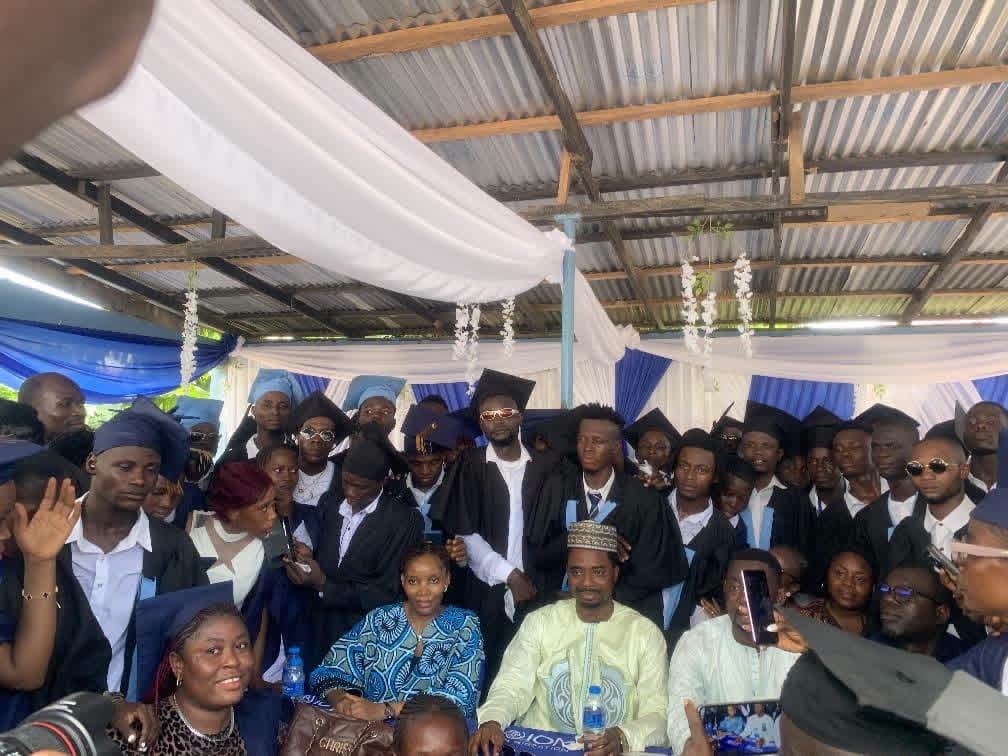
The Ministry of Youth Affairs (MoYA), through the National Youth Commission (NAYCOM), in partnership with the International Organization for Migration (IOM) and with support from the European Union (EU), has graduated 242 migrant returnees following the successful completion of a six-week intensive vocational and skills training programme at the Obasanjo Skills Training Centre in Waterloo.
The graduation ceremony, held on Friday, November 6, 2026, marked a significant milestone in the government’s efforts to promote youth empowerment, economic reintegration and sustainable livelihoods, particularly among young Sierra Leoneans who have returned home after attempting irregular migration.
The initiative is designed to equip returning migrants with practical, market-driven skills that will enable them to rebuild their lives, establish businesses, secure employment and contribute meaningfully to national development.
All 242 beneficiaries successfully completed the six-week training programme and passed the required assessments, demonstrating their readiness to apply their newly acquired knowledge and competencies to productive economic activities.
Speaking at the ceremony, the Commissioner of the National Youth Commission, Joseph Maada Lahai, commended the European Union and IOM Sierra Leone for their continued partnership and commitment to supporting youth development in the country.
He reaffirmed NAYCOM’s commitment, under the leadership of President Julius Maada Bio, to promoting demand-driven skills development, entrepreneurship and inclusive opportunities for young people.
Commissioner Lahai emphasised the importance of providing young people with the necessary skills and resources to become economically independent, noting that vocational training remains an important pathway towards addressing youth unemployment and improving livelihoods.
In her remarks, IOM Officer-in-Charge, Dr Pauline, described the graduation as the beginning of a new chapter in the lives of the beneficiaries.
She stressed that sustainable reintegration goes beyond completing vocational training, explaining that returning migrants also need continuous support, access to economic opportunities and further investment in advanced skills development to achieve long-term success.
Dr Pauline reaffirmed IOM’s commitment to supporting migrant returnees as they navigate the challenges of rebuilding their lives and reintegrating into their communities.
Delivering the keynote address, the Minister of Youth Affairs, Ibrahim Sannoh, described the occasion as a celebration of resilience, restored hope and renewed opportunities for young Sierra Leoneans who had experienced the difficulties associated with irregular migration.
The Minister acknowledged that many of the beneficiaries had embarked on dangerous migration journeys in search of better opportunities abroad but had demonstrated courage and determination by returning home and embracing the opportunity to rebuild their futures.
Addressing the graduates, Minister Sannoh stated: “Your story is not just about modules or courses. It is about young men and women who lost all hope while seeking greener pastures and still found the strength to catch up.”
He challenged the graduates to see the training as a foundation for a better future, stressing that the real success of the programme would be measured by their ability to transform their newly acquired skills into sustainable businesses, gainful employment and meaningful contributions to their communities.
The Minister also commended NAYCOM and IOM for going beyond conventional training interventions to provide the beneficiaries with something more valuable than technical knowledge: an opportunity to reclaim their dignity, restore their confidence and rebuild their livelihoods.
He further emphasised that young people must be encouraged to take advantage of available opportunities within Sierra Leone rather than risking their lives through dangerous and irregular migration routes.
The collaboration between the Ministry of Youth Affairs, NAYCOM, IOM and the European Union reflects a shared commitment to addressing the challenges of irregular migration through practical interventions that promote economic independence and social reintegration.
The programme also highlights the importance of partnerships between government institutions and international development organisations in creating opportunities for vulnerable young people.
With all 242 participants successfully completing the training, attention now turns to ensuring that the graduates receive the necessary support to put their skills into practice.
The graduation serves as a reminder that sustainable reintegration requires more than simply bringing migrants back home. It requires equipping them with practical skills, economic support and meaningful opportunities to build productive and dignified lives.
As the graduates begin this new chapter, stakeholders are hopeful that their acquired skills will translate into entrepreneurship, employment, improved household incomes and broader contributions to Sierra Leone’s development.
Copyright –Published in Expo Times News on Monday, 9th November 2026 (ExpoTimes News – Expo Media Group (expomediasl.com)