





By Josephine Sesay
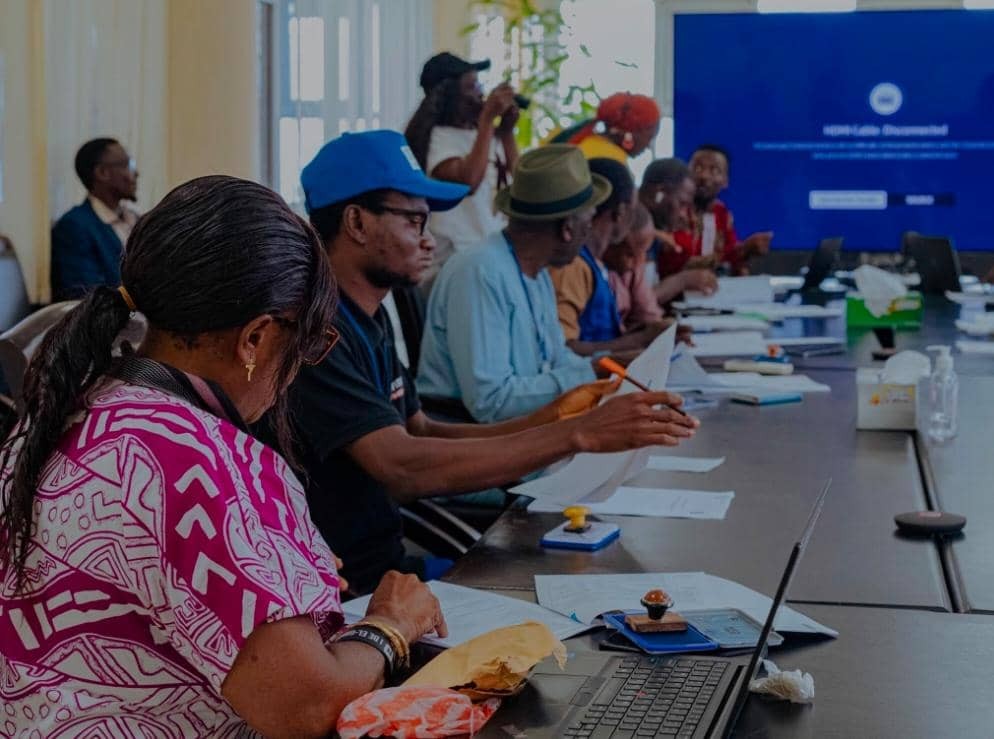
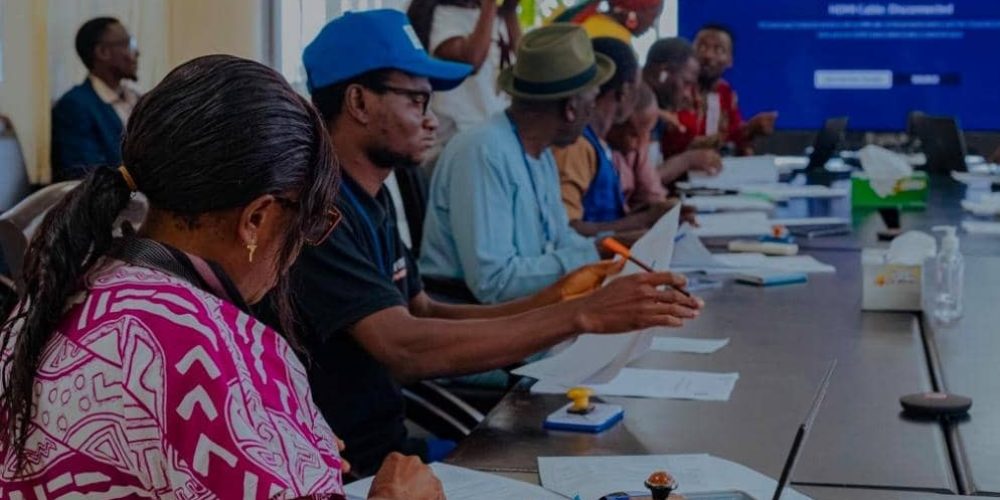
The United Nations Development Programme (UNDP) in Sierra Leone has signed Low Value Grant Agreements with 12 Civil Society Organisations (CSOs) to support community-led environmental initiatives under the Global Environment Facility (GEF) Small Grants Programme Operational Phase 8.
The grants, valued at a combined US$511,000, are aimed at strengthening efforts to protect Sierra Leone’s environment while improving the livelihoods and resilience of communities facing growing environmental and climate-related challenges.
The funding will support a range of initiatives focused on biodiversity conservation, ecosystem restoration, climate resilience and sustainable livelihoods.
It will also promote renewable energy, sustainable fisheries and circular economy solutions as part of broader efforts to advance environmental sustainability across the country.
The partnerships are scheduled to run from September 1, 2026, to July 31, 2027, providing the participating organisations with resources to implement projects that place local communities at the centre of environmental action.
Through the GEF Small Grants Programme, UNDP works with civil society and community-based organisations to address environmental challenges while ensuring that local people benefit from sustainable development interventions.
The latest grants are expected to strengthen community participation in the management and protection of Sierra Leone’s natural resources.
They will also provide opportunities for communities to develop sustainable income-generating activities while contributing to the conservation of ecosystems.
Biodiversity conservation and ecosystem restoration are particularly important as Sierra Leone continues to face pressures on its forests, coastal areas, wetlands and other natural ecosystems.
Supporting communities to become active partners in environmental protection can help reduce these pressures while improving local livelihoods.
The focus on climate resilience will also enable communities and local organisations to develop approaches that can help them cope with the effects of climate change.
These may include initiatives that promote sustainable resource management, strengthen local economic opportunities and reduce communities’ vulnerability to environmental shocks.
Meanwhile, support for renewable energy is expected to encourage cleaner and more sustainable energy solutions, particularly in communities where access to reliable energy remains a challenge.
Sustainable fisheries initiatives will seek to promote responsible use of marine resources and protect the livelihoods of communities that depend on fishing.
The grants will also support circular economy solutions, encouraging approaches that reduce waste, promote recycling and reuse, and make better use of available resources. Such initiatives can contribute to cleaner communities while creating new economic opportunities.
The partnership between UNDP and the 12 CSOs reflects the importance of involving local organisations in addressing environmental challenges.
Civil society organisations often have direct links with communities and are therefore well positioned to identify local environmental problems and develop solutions that respond to community needs.
The US$511,000 investment is consequently expected to have an impact beyond environmental conservation, with the projects also contributing to poverty reduction, sustainable livelihoods and community development.
As implementation begins in September, the participating organisations will be expected to work closely with communities and relevant stakeholders to deliver the agreed initiatives during the 11-month grant period.
The initiative demonstrates the growing importance of community-led approaches in Sierra Leone’s efforts to achieve environmental sustainability and build resilience against climate change.
By combining environmental protection with livelihood opportunities, UNDP and the GEF Small Grants Programme are seeking to ensure that communities are not only beneficiaries of environmental programmes but also active participants in protecting the country’s natural resources for future generations.
Copyright –Published in Expo Times News on Wednesday, 2nd September 2026 (ExpoTimes News – Expo Media Group (expomediasl.com)