




By Aminata Abu Bakarr Kamara
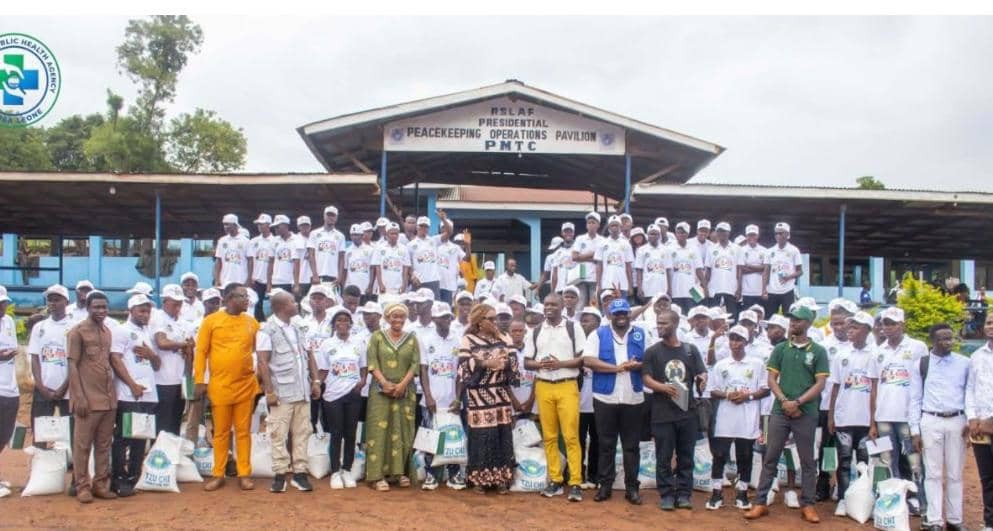
A total of 94 young people, including 85 males and nine females, have graduated from a drug rehabilitation programme in Sierra Leone, marking another milestone in the country’s efforts to address drug and substance abuse and support the recovery and reintegration of affected young people.
The graduates were recognised as “Ambassadors of Positive Change” after successfully completing their respective rehabilitation programmes at the Hastings Peacekeeping Training Centre Rehabilitation Centre.
The graduation ceremony brought together government officials, development partners, security authorities, families, community representatives and members of the diplomatic community to celebrate the graduates and encourage them as they begin the next phase of their recovery.
Representing the Chairman of the National Task Force on Drugs and Substance Abuse, Prof. Brig. Gen. Foday Sahr, Patrick Lansana of the National Public Health Agency disclosed that the latest graduation brings to 1,071 the cumulative number of young people who have benefited from the national drug rehabilitation programme.
Sierra Leone currently has five rehabilitation centres located in Hastings, Makeni, Kono, Daru and Gondama, providing support to young people affected by drug and substance abuse.
The programme forms part of wider national efforts to provide rehabilitation, recovery and reintegration services while addressing the social and health challenges associated with substance abuse.
Minister of Social Welfare Melrose Karminty expressed appreciation to President Julius Maada Bio for his leadership and continued commitment to tackling drug and substance abuse and strengthening rehabilitation and reintegration services for affected young people.
She emphasised the importance of sustained support for people recovering from substance abuse, particularly as they transition from rehabilitation centres back into their families and communities.
Speakers at the ceremony also called on families and communities to reject stigma against people recovering from drug and substance abuse. They stressed that acceptance, encouragement and continued support are essential to preventing relapse and helping graduates rebuild their lives.
United Nations Resident Coordinator Seraphine Wakana encouraged the graduates to take advantage of opportunities in education, skills development and livelihoods as they begin rebuilding their futures.
She urged them to remain committed to their recovery and become positive examples within their communities.
The Inspector General of Police, representatives of ECOWAS and members of the diplomatic community also encouraged families and communities to welcome the graduates and support them throughout their reintegration process.
The speakers described the graduates as important agents of change who can use their experiences to discourage other young people from falling into drug abuse and to promote healthier and more productive lifestyles.
As the 94 graduates return to their respective communities, stakeholders have renewed calls for stronger family and community support, noting that rehabilitation does not end when a person leaves a treatment centre.
The latest graduation therefore underscores the growing emphasis on recovery, dignity and social reintegration in Sierra Leone’s response to drug and substance abuse.
For the graduates, their new identity as “Ambassadors of Positive Change” represents not only the completion of a rehabilitation programme, but also an opportunity to inspire others and demonstrate that, with appropriate care, opportunities and support, young people can overcome substance abuse and rebuild their lives.
Copyright –Published in Expo Times News on Wednesday, 26th August 2026 (ExpoTimes News – Expo Media Group (expomediasl.com)