





By Edwina Bawoh
Every rainy season, residents of some low-lying communities in Freetown prepare for the possibility and thoughts of water entering into their homes, and streets. Despite this repeated drainage-cleaning campaigns and flood-mitigation efforts, communities such as Kroo Bay, Dwarzark and Susan’s Bay continue to face high flood risks.
The concern returned sharply on August 2026, when Freetown experienced six to seven hours of continuous torrential rainfall. A report published on 5 August said the flooding affected several communities, with more than 300 homes in Juba reported flooded and hundreds of people displaced. The National Disaster Management Agency (NDMA) attributed the incident to widespread flash flooding, severe erosion and slope incidents following the heavy rainfall.
But for communities that mostly experience flooding, heavy rainfall is only part of the story. Drainage can be one of the problems
One of the recurring concerns is the condition of drainage systems.
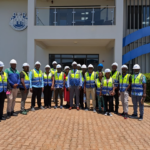
In July 2025, the National Disaster Management Agency (NDMA) worked with the Tzu Chi Foundation and Caritas Freetown on a six-day cleaning and sensitization campaign in Kroo Bay, Dwarzark and Susan’s Bay, three communities identified as vulnerable to flooding. The exercise focused on clearing blocked drains and improving community preparedness. Some volunteers were assigned to each community, working under NDMA’s Community Disaster Committees.
According to NDMA, residents of Kroo Bay had identified drainage systems and water coming down from the hills as factors contributing to increased flooding during the rainy seasons. The cleaning exercise therefore sought to renew the flow of water before heavy rainfall intensifie
Ishmeal Alfred Charles, Tzu Chi’s humanitarian liaison with government and institutions, urged communities and their leaders to take responsibility for maintaining the drainage systems after the exercise. Abu kamara a resident at Kroo Bay and one of the volunteers of the cleaning, said “After this exercise, it will be up to the communities as in us leaving in it and their leaders to keep the drainage systems, and water channels clean,” He also “urges fellow residents to help report people dumping dirts into the drainage system as this will help keep it clean “
Waste disposal is another major issue.
Freetown City Council (FCC) has previously linked recurring flooding to several factors, including inadequate garbage collection, poor drainage infrastructure and maintenance, deforestation and construction along streams.
The council has therefore used these drain cleanings as part of its flood-mitigation strategy.
FCC’s flood-mitigation program has included cleaning drains and gutters in disaster-prone areas and encouraging communities to keep it that way. The council has also called for stronger enforcement against dumping waste into gutters, culverts and waterways. The problem is that cleaning a drainage channel once does not guarantee that it will remain clear throughout the rainy season. Plastic, household waste, silt and other materials can return to drainage channels, reducing the amount of water they can carry when heavy rain arrives.
This creates a cycle in which authorities, communities and organizations are urged to clean the drains, rainfall brings large volumes of water, drainage systems become filled or blocked again, and vulnerable communities flood.
Why Kroo Bay remains vulnerable
The vulnerability is influenced by more than waste. Water flowing from higher areas of Freetown can move toward lower-lying communities during intense rainfall. At the same time, limited drainage capacity can make it difficult for the water to quickly pass out. This means that even when residents are not directly dumping waste into drains, their community can still be affected by the wider drainage network.
Is cleaning enough?
FCC’s previous flood-mitigation strategy recognized that Freetown’s flooding has multiple causes, including deforestation, construction along streams, inadequate waste collection and poor drainage infrastructure. The council has therefore argued for a combination of infrastructure improvements and behavior change rather than relying solely on cleaning alone.
There have also been infrastructure projects with the aim of reducing flood risk. FCC, for example, has undertaken drainage construction in flood-prone communities as part of broader efforts to reduce recurrent flooding. Yet the August 2026 flooding shows that vulnerability remains.
The latest incident has renewed concerns about settlements in high-risk areas, poor drainage, rapid urbanization and waste disposal. The Sierra Leone Telegraph reported that NDMA warned of further heavy rainfall during August and September and urged residents to follow safety guidance.
Reurrent flooding is more than an environmental problem.
Floodwater can enter homes, damage household belongings, interrupt businesses and make roads difficult to use. Abibatu Conteh, a resident and a victim of resent flooding at Kroo Bay expresses her concern “water entered my house almost spoiling every property of mine and it’s because of a blocked drainage that refuses to allow dirt pass free” the August flooding also affected water sources, with reports of contamination of community’s boreholes in some affected areas.
For traders, a flooded street can mean fewer customers. For families, it can mean damaged property and temporary displacement. For communities located near waterways or slopes, heavy rainfall can create even more risks from erosion and landslides. The latest flooding has however reinforced the need for both immediate preparedness and longer-term planning.
Breaking the cycle
The recurring flooding of the same communities suggests that Freetown’s problem can’t be solved by waiting for the rainy season and then cleaning drains. Therefore, authorities, environmental organizations and communities will need to address several factors simultaneously: adequate drainage, effective waste management, maintenance of waterways, urban planning, protection of environmentally sensitive areas and community participation.
The NDMA and its partners have illustrate the value of preventive cleaning and community sensitization. FCC has also repeatedly highlighted the importance of drainage maintenance and responsible waste disposal. But the continuing vulnerability of communities such as Kroo Bay raises a larger concern, what happens after the cleaning teams leave?
Until drainage systems remain clear, infrastructure is strengthened and communities are protected from development and waste practices that increase flood risk, heavy rainfall is likely to continue exposing the same weaknesses. Mrs kadiatu koroma a 50yrs old resident at Susan Bay expresses “we literally go through this same flooding every year, with our properties destroyed and more. This precaution should be considered if it’s said to somehow stop this continuing disaster “
For Freetown residents, the challenge is no longer simply surviving one rainy season. It is finding a lasting solution to a cycle that returns whenever the rain becomes heavy.
Copyright –Published in Expo Times News on Monday, 17th August 2026 (ExpoTimes News – Expo Media Group (expomediasl.com)