





By Aminata Abu Bakarr Kamara
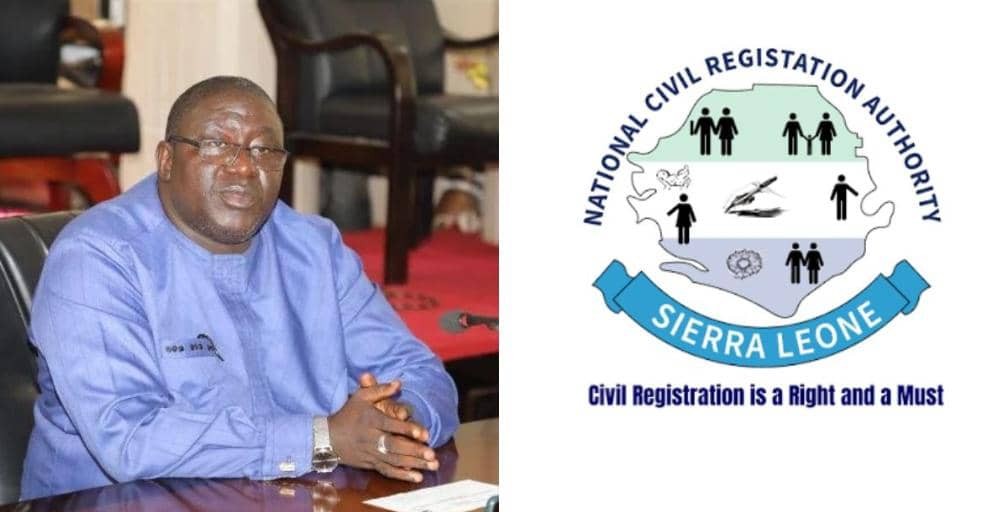
The National Civil Registration Authority (NCRA) has called for increased investment in an integrated, decentralised and digital civil registration system as Sierra Leone prepares to enter a new decade of Civil Registration and Vital Statistics (CRVS) development.
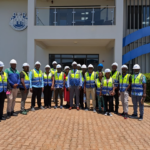
The call was made on August 10, 2026, during Sierra Leone’s commemoration of the 9th Africa Civil Registration and Vital Statistics Day at the NCRA headquarters on Kingharman Road in Freetown.
The event brought together government institutions, development partners, civil society organisations, financial institutions, child-focused organisations and community representatives to discuss the future of civil registration in the country.
The commemoration was held under the theme, “The New CRVS Decade (2027–2036): Consolidating the Gains of AP AI–CRVS and Securing the Future of CRVS in Africa through Integration, Decentralisation and Digitalisation.”
NCRA Director General Mohamed Mubashir Massaquoi said civil registration is a fundamental responsibility of government because behind every statistic is a person whose identity, rights and opportunities are at stake.
He said the new CRVS decade provides Sierra Leone with an opportunity to consolidate progress already made while strengthening integration, decentralisation and digitalisation across the civil registration system.
Massaquoi said NCRA has strengthened the country’s national identity infrastructure by integrating civil registration with identity management, issuing secure identity documents and establishing an identity verification platform used by financial and telecommunications institutions.
He said the next stage should move beyond simply producing identity documents towards a continuous identity system that follows individuals throughout their lives, from birth registration to death registration.
Such a system, he explained, would support access to education, healthcare, social protection, financial services and employment.
However, Massaquoi stressed that integration must not mean unrestricted access to citizens’ personal information. He called for clear standards, effective governance and responsible collaboration among institutions to ensure that personal data are properly protected.
He also called for civil registration services to be decentralised and brought closer to rural and underserved communities. He warned that digitalisation must not create new barriers for people without reliable internet access or digital technology.
UNICEF Child Protection Officer Patrick Halton called for increased investment in birth registration, describing it as the foundation of legal identity and an important gateway to children’s rights.
Halton said birth registration helps protect children from risks including child marriage, trafficking and child labour, while facilitating access to education, healthcare and social protection.
He cited findings from the 2019 Demographic and Health Survey showing that more than three-quarters of children under five had been registered, while about nine in ten children under one had been registered. However, only about one-third of children under five had a birth certificate.
He called for birth registration to be integrated into maternity services, health facilities, immunisation programmes and community health platforms. He disclosed that approximately US$1.16 million would be required over the next three years to strengthen staffing, training, supplies, interoperability, monitoring and public awareness.
The Electoral Commission of Sierra Leone (ECSL) also highlighted the importance of NCRA’s identity system ahead of the 2028 elections.
Representing ECSL, Ado Davies explained that NCRA and ECSL have separate mandates, with NCRA responsible for identifying and registering citizens while ECSL registers eligible voters.
He said linking the systems could help verify eligible voters and reduce duplication, while calling for increased investment in technology, infrastructure and legislation.
The Bank of Sierra Leone also emphasised the growing role of the National Identification Number (NIN) in the financial sector.
Representing the central bank, Philip Bangura said a unique NIN could strengthen Know Your Customer procedures, credit reporting and fraud prevention, particularly in mobile money and other digital transactions.
Civil society and community representatives meanwhile called for greater public awareness and improved access to registration services.
Civil society representative Alphonso Manley urged NCRA and civil society organisations to take registration information and services closer to communities while maintaining strong data protection safeguards.
Children Forum Network representative Mary Julius stressed that legal identity is fundamental to child protection and access to education, while President of the Market Women Haja Marie Bob Kandeh called for registration services to become more accessible to women and other vulnerable groups.
The stakeholders ultimately called for a CRVS system that is integrated, secure, decentralised and accessible, ensuring that children, women, rural communities and other underserved groups are not left behind.
As Sierra Leone approaches the new CRVS decade, stakeholders say sustained investment, stronger institutional coordination, digital innovation and greater community access will be critical to ensuring that every citizen has a secure legal identity and can fully access essential services.
Copyright –Published in Expo Times News on Monday, 17th August 2026 (ExpoTimes News – Expo Media Group (expomediasl.com)