



By Thaimu T Kamara
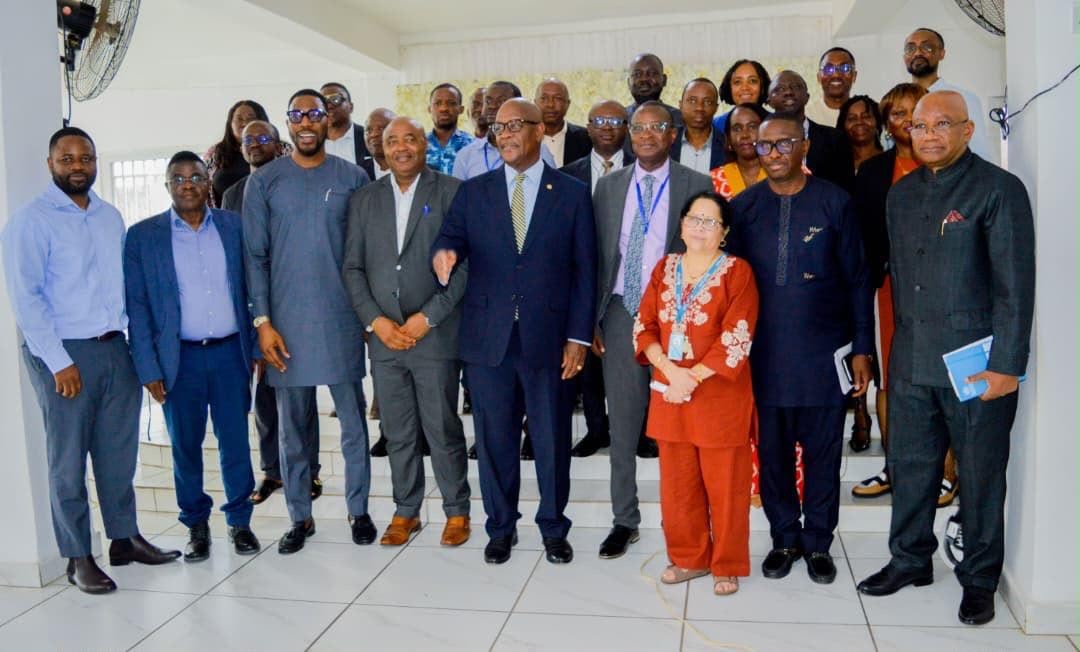
Statistics Sierra Leone (Stats SL), in collaboration with the Ministry of Health and Sanitation (MoHS) and development partners, has launched a 28-day training programme for field personnel who will conduct the 2026 Demographic and Health Survey (DHS).
The training, officially opened at Theresa Hall on Kennedy Street in Freetown, brings together 150 field workers, including enumerators, supervisors and other field officials. About 80 percent of the participants are women, reflecting the survey’s commitment to gender inclusion and equal participation in national statistical activities.
The programme is designed to equip participants with the technical knowledge, practical skills and ethical standards required to collect accurate and reliable data in line with internationally recognised survey methodologies.
The launch ceremony attracted senior government officials, representatives of development partners and technical experts. Among those present were Minister of Health and Sanitation Dr. Austin Demby, Statistician-General Andrew Bob Johnny, UNFPA Country Representative Kunle Adeniyi, WHO Country Representative Dr. George Ameh, UNICEF Chief of Health, Nutrition and HIV Dr. Vandana Joshi, World Bank Economist and Demographer Omoniyi Alimi, Chief Medical Officer Dr. Sati Kenneh and Partners In Health Policy and Partnership Director Yembeh Marah.
Director of the Demographic, Health and Social Statistics Division at Statistics Sierra Leone, Mohamed Koblo Kamara, described the training as a key milestone in the implementation of the nationwide survey. He said participants would receive the technical and practical skills needed to ensure high-quality data collection while adhering to international standards and ethical principles.
Kamara noted that the survey would generate reliable demographic and health information to support evidence-based policymaking, national planning and improved healthcare delivery across Sierra Leone.
Statistician-General Andrew Bob Johnny welcomed participants and development partners, highlighting major achievements already recorded in preparation for the survey. These include the review of survey instruments, completion of household listing and mapping, the successful pre-test of the survey and the introduction of a blood pressure measurement module with technical support from ICF International.
He stressed that the training would prepare field staff to collect high-quality and internationally comparable data, adding that the survey findings would provide vital evidence to guide government planning and health sector reforms.
Speaking on behalf of the United Nations family in Sierra Leone, UNFPA Country Representative Kunle Adeniyi commended the Government for demonstrating strong national ownership by mobilising resources to implement the survey. He described the DHS as one of the country’s most important sources of credible demographic and health data.
Adeniyi urged trainees to maintain high standards throughout data collection and encouraged communities across the country to cooperate fully by providing accurate information during the survey. He reaffirmed the continued support of UNFPA, WHO and UNICEF in ensuring the successful implementation of the exercise.
Chief Medical Officer Dr. Sati Kenneh underscored the importance of obtaining updated health data to assess the country’s health status and guide future interventions. He said the survey results would strengthen healthcare planning, improve monitoring and contribute to better health services nationwide.
Representatives of the World Bank, WHO, UNICEF and Partners In Health also reiterated their commitment to supporting the Government of Sierra Leone, Statistics Sierra Leone and the Ministry of Health and Sanitation throughout the survey process. They described the DHS as an essential tool for evidence-based decision-making and sustainable national development.
Delivering the keynote address, Minister of Health and Sanitation Dr. Austin Demby called on trainees to uphold professionalism, integrity, confidentiality and impartiality throughout the training and fieldwork. He urged them to work closely with supervisors, community leaders, health authorities and development partners to ensure the successful implementation of the survey.
Dr. Demby emphasised that the credibility of the survey depends largely on the quality of the data collected. He reminded participants that the information they gather would influence national health policies, resource allocation and development planning for years to come.
He reaffirmed the Government’s commitment to supporting the successful implementation of the 2026 Demographic and Health Survey before officially declaring the training programme open.
The 2026 Demographic and Health Survey is expected to generate comprehensive and internationally comparable data on key health and demographic indicators, including maternal and child health, nutrition, fertility, family planning, HIV/AIDS, malaria, non-communicable diseases and other priority public health issues.
The findings will provide critical evidence for national development planning, policy formulation, resource allocation and monitoring progress towards national and international development goals.
The launch of the training marks another significant step in preparations for the nationwide survey, reinforcing the commitment of the Government, Statistics Sierra Leone, the Ministry of Health and Sanitation and development partners to producing reliable data that will strengthen healthcare systems and improve the well-being of Sierra Leoneans.
Copyright –Published in Expo Times News on Monday, 10th August 2026 (ExpoTimes News – Expo Media Group (expomediasl.com)