





By Josephine Sesay
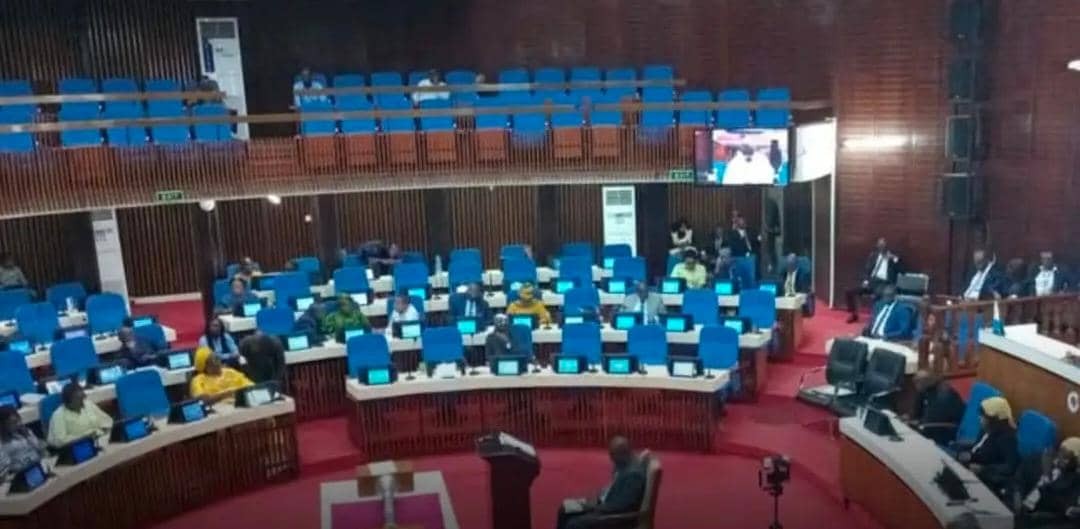
Sierra Leone’s Parliament on Thursday, 23 July 2026, ratified seven international agreements and treaties aimed at strengthening the country’s legal framework on intellectual property, culture, accessibility, and international cooperation.
The agreements, which were tabled before Parliament on 14 July by the Attorney General and Minister of Justice, Alpha Sesay, Esq., are expected to enhance the protection of creators’ rights, improve access to knowledge for vulnerable groups, and bring Sierra Leone’s legal framework into closer alignment with international standards.
The seven treaties ratified by Parliament are the Beijing Treaty on Audiovisual Performances (2012), Marrakech Treaty (2013), Berne Convention for the Protection of Literary and Artistic Works (1886), Brussels Convention (1974), Madrid Agreement (1891), Geneva Convention (1971), and the Rome Convention (1961).
Presenting the agreements to lawmakers, Attorney General Alpha Sesay described the ratifications as a significant milestone in the country’s efforts to modernize its intellectual property regime and safeguard the rights of authors, performers, artists, and other creators.
He said the treaties would ensure that creators receive greater legal recognition and fair compensation for their works while encouraging innovation, creativity, and investment in Sierra Leone’s creative industries.
Speaking on the Marrakech Treaty, Sesay explained that the agreement would significantly improve access to published materials for blind and partially sighted persons by facilitating the cross-border exchange of books and publications in accessible formats. He noted that the treaty provides a legal framework for reproducing and distributing copyrighted works in accessible formats and requires member states to introduce copyright exceptions that support persons with visual impairments.
According to the Attorney General, the treaty will help address the global shortage of accessible books—often referred to as the “book famine”, while promoting inclusion and equal access to education, information, and culture.
On the Berne Convention, Sesay observed that although Sierra Leone is not yet a member, many of its principles are already reflected in the country’s Copyright Act of 2011. He said accession to the convention would further strengthen copyright protection and enable Sierra Leone to benefit from internationally recognized copyright standards.
During the debate, Hon. Joseph Williams Lamin, Member of Parliament for Bo District, urged the Government to embark on nationwide public education campaigns to ensure that citizens understand the significance and practical benefits of the newly ratified treaties.
Leader of the Opposition, Hon. Abdul Kargbo, welcomed the ratifications, describing them as an important step toward strengthening Sierra Leone’s engagement with the international community and improving the protection of intellectual property rights. He noted that the Marrakech Treaty would promote greater inclusion for visually impaired persons, while the Rome and Geneva Conventions would enhance legal protection for performers and the country’s entertainment industry.
He also called for broader stakeholder engagement and increased public awareness to ensure the successful implementation of the treaties.
Concluding the debate, Acting Leader of Government Business, Hon. Saa Emerson Lamina, said the ratifications were consistent with the constitutional responsibilities of both Parliament and the Executive. He described the Beijing Treaty as a key instrument for protecting audiovisual performances and promoting fair competition within the creative sector.
Lamina also expressed concern over the growing challenges of piracy and plagiarism, urging the Government to strengthen copyright enforcement institutions and provide Members of Parliament with the necessary support to educate their constituents on the implications of the newly adopted agreements.
Lawmakers from both the Government and Opposition benches overwhelmingly supported the ratification of the treaties, describing them as a major step toward protecting creators, expanding access to knowledge, promoting cultural development, and enhancing Sierra Leone’s compliance with international legal standards.
The treaties will now proceed to the domestication process before they are fully incorporated into Sierra Leone’s national legal framework. Responding to the debate, Attorney General Alpha Sesay reaffirmed the Government’s commitment to strengthening intellectual property protection and ensuring the effective implementation of the agreements for the benefit of creators, innovators, and the wider public.
Copyright –Published in Expo Times News on Monday, 27th July 2026 (ExpoTimes News – Expo Media Group (expomediasl.com)