





By Dadson A. Musa
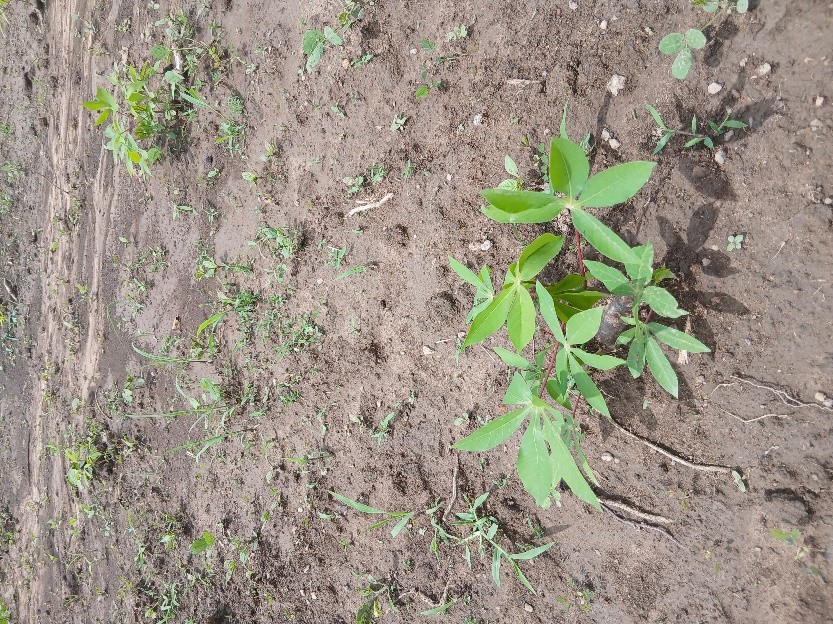
One of Sierra Leone’s staple foods, cassava which up to 7 million people depend on mainly for energy sustenance had over the years suffered existential threat. It has been learned over the years through laboratory experiment that cassava does not only have carbohydrate but also has some amount of protein, fats, calcium and vitamins B and C. It also serves industrial purposes as the starch in cassava can be processed to be used as paper adhesive. So, cassava is very vital for our survival. Over a billion people depend on cassava in the world and about seven million people in Sierra Leone depend on it for food. The disease that has threatened the existence of cassava especially in west and central Africa is the cassava mosaic. The signs and symptoms of the disease include twisted or ruptured leaves, distorted growth, diminished fruit quality and reduced yield. The mosaic virus consists of one or eleven plant pathogens in the genus begomoviral.
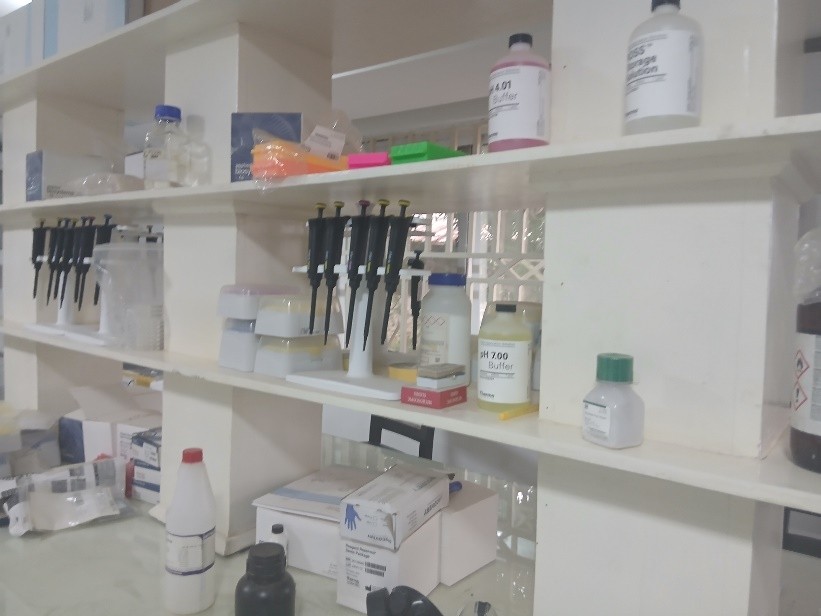
So, with leadership provided by Dr. Alusine Samura, head of crop science at the school of agriculture, Njala University, a project had been launched seven years ago to tackle the disease plaguing our second staple food. To that end, a functioning state- of- the- art laboratory has been built to help stem ” systemic genetic erosion ” of the edible and usable cassava species. According to Dr Samura, the aim is to ” make it possible to get a clean and certified cassava that is good for consumption and trade.” Dan David Quee is the man in charge of weed control at the school of agriculture, Njala University and he told this medium that ” weed control is central to the survival of cassava species in Sierra Leone because if weeds are gotten rid of the crop will have enough air, water, nutrients and limited pest infestation.” That when weeds are controlled even the health and safety of the farmer is assured. The principal laboratory technician, Vandi Amara told this medium that for the cassava species to survive and thrive
“The crop must have access to sufficient food, water and sunlight.” And that earlier we spot the mosaic disease the better the chance to nip it in the bud. Vandi Amara further revealed that the healthy and normal crop must look green. Once you start noticing yellowish colour in the leaves then the cassava has the disease and is set to have reduced yield. So, the WAVE project to curb cassava disease has achieved a mile stone by training extension officers, crop protection officers and building capacity of farmers across the country. Even though there are challenges of not enough money and materials the project has been able to ensure we get cassava that is fit for consumption and trade
Copyright –Published in Expo Times News on Monday, 15th June 2026 (ExpoTimes News – Expo Media Group (expomediasl.com)