
Are Sierra Leoneans Truly Benefiting from Mining & Natural Resources?
By Aminata Abu Bakarr Kamara
Sierra Leone, a nation blessed with rich deposits of diamonds, gold, bauxite, rutile, and iron ore, has long held the promise of economic prosperity through its natural resources. Yet, for decades, the pressing question has lingered are ordinary Sierra Leoneans truly reaping the rewards of this abundant wealth?
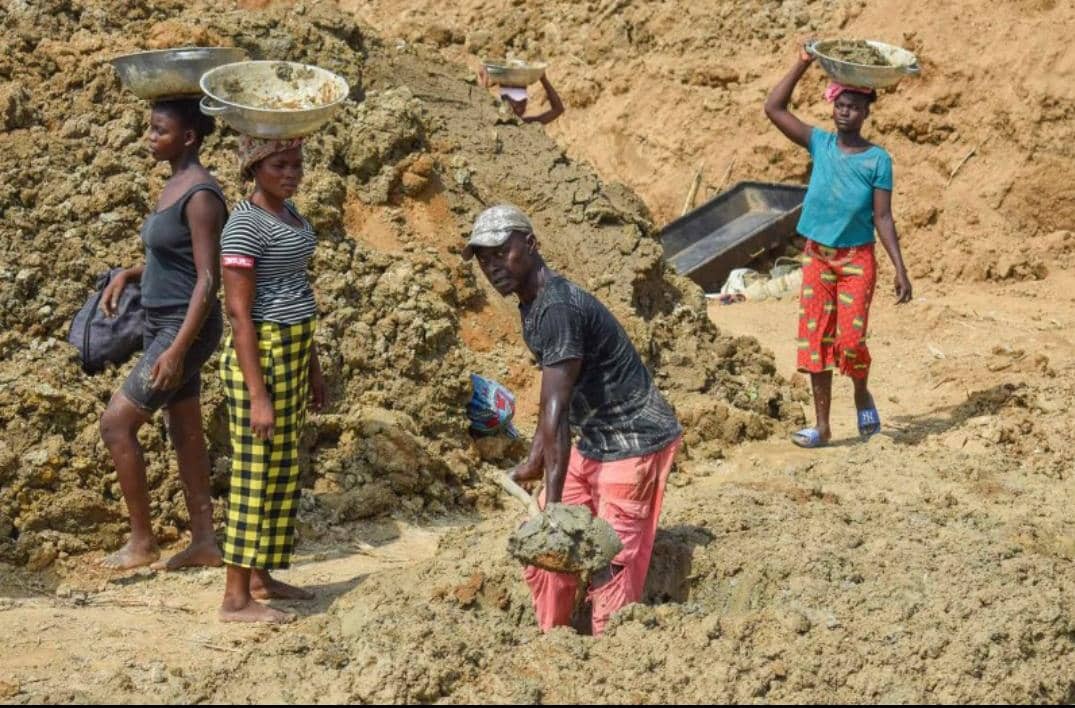
From the diamond fields of Kono to the iron ore mines of Tonkolili and the rutile operations in Moyamba, mining is a cornerstone of the country’s economy. It contributes significantly to GDP, attracts foreign direct investment, and provides thousands of jobs. However, many citizens argue that the benefits are unevenly distributed, with mining communities often left struggling with poor infrastructure, limited healthcare, and inadequate education facilities.
Promises and Realities
Successive governments have pledged to ensure that mining revenues translate into tangible development. The Mines and Minerals Act, along with various community development agreements, mandates that a portion of mining proceeds be invested back into local areas. Yet, reports from civil society organizations suggest that implementation remains inconsistent. While some communities have seen modest improvements such as boreholes, school buildings, or road repairs others remain neglected, with environmental degradation compounding their hardship.
The Employment Puzzle
Mining companies tout job creation as a primary benefit to the nation. While the sector does employ thousands, the majority of high-paying technical and managerial positions are often filled by expatriates. Local workers typically occupy low-wage, labor-intensive roles, limiting their ability to break the cycle of poverty. Training programs exist but are not widespread enough to bridge the skills gap.
Environmental and Social Costs
Mining’s toll on the environment is another source of contention. Deforestation, water pollution, and land degradation threaten livelihoods in farming and fishing. Residents of mining towns complain of respiratory problems from dust and contaminated water sources. In some cases, displacement without adequate compensation has fueled tension between companies and communities.
A Call for Greater Accountability
Experts argue that stronger governance, better enforcement of mining agreements, and transparent revenue management are essential to ensure that resource wealth benefits all Sierra Leoneans. The Extractive Industries Transparency Initiative (EITI) process has been a step in the right direction, but more robust oversight is needed to prevent revenue leakages and ensure that royalties and taxes are effectively used for national development.
As the country continues to negotiate mining contracts and attract foreign investors, the balance between profit and people remains critical. Without deliberate policy action, the paradox of plenty where resource-rich nations remain impoverished will continue to shadow Sierra Leone’s development narrative.
For many citizens, the ultimate measure of mining’s success will not be in export figures or government revenues, but in whether a child in Koidu, Bumbuna, or Lunsar can access quality education, safe drinking water, and a brighter future because the ground beneath their feet is rich in minerals.
Copyright –Published in Expo Magazine, September-October 2025 Edition Vol.3, No.6, (ExpoTimes News – Expo Media Group (expomediasl.com)