






Breaking the Stigma in African Societies
By Michaella Faith Wright
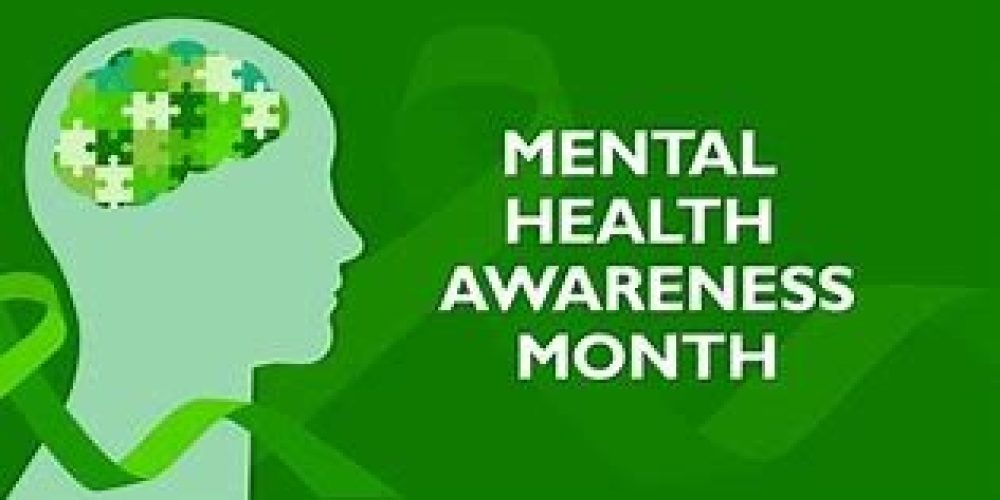
In recent years, mental health awareness has gained momentum globally, yet African societies continue to grapple with significant challenges related to mental health. Cultural stigmas, lack of resources, and limited access to mental health care contribute to the underreporting and misunderstanding of mental health issues. Despite the pressing need for change, many individuals still hesitate to seek help, often fearing judgment from their communities and facing social ostracism.
Mental health disorders, including depression, anxiety, and substance abuse, are increasingly recognized as significant public health issues in Africa. According to the World Health Organization (WHO), approximately one in four people in the region will experience a mental health disorder in their lifetime. This statistic reflects a growing concern, as mental health disorders can lead to severe consequences, including increased rates of suicide and diminished quality of life. However, the response from healthcare systems remains inadequate. A combination of factors, including insufficient funding, a shortage of trained professionals, and traditional beliefs that attribute mental health issues to spiritual or moral failings, exacerbates the crisis.
The lack of mental health resources is particularly evident in rural areas, where access to mental health professionals is limited, and community awareness is often minimal. In many instances, individuals suffering from mental health issues are treated through traditional healing practices, which, while culturally significant, may not address the root causes of their conditions. This reliance on alternative treatments can lead to delayed diagnoses and inadequate care, perpetuating the cycle of stigma and misunderstanding.
Addressing these challenges requires a multi-faceted approach that emphasizes awareness and education. Community engagement plays a crucial role in reshaping perceptions about mental health. Initiatives that promote open discussions can help dismantle long-held beliefs that mental health issues are a source of shame or weakness. For instance, campaigns involving storytelling and sharing personal experiences can normalize conversations around mental health, making it easier for individuals to seek help. These narratives can empower others to break the silence and reach out for support, illustrating that they are not alone in their struggles.
Support from influential figures in society, such as religious leaders, educators, and celebrities, can also foster a culture of understanding and empathy. By advocating for mental health awareness and sharing their own experiences, these leaders can inspire others to acknowledge and address their mental health challenges. Their involvement can lend credibility to the movement and encourage individuals to view mental health as a critical aspect of overall well-being, deserving of attention and care.
Furthermore, integrating mental health education into school curriculums can empower young people with the knowledge and tools to manage their mental health proactively. Teaching students about emotional well-being, stress management, and coping strategies can equip them to navigate life’s challenges more effectively. Schools can serve as foundational environments for instilling positive mental health practices, allowing students to develop healthy coping mechanisms from an early age.
In many African cultures, family ties are strong, and support from loved ones can significantly impact an individual’s mental health journey. Encouraging families to understand and support their members facing mental health issues can create a more accepting environment. Open family discussions about mental health can foster empathy and reduce the stigma associated with seeking help. Community-based support groups can also provide a safe space for individuals to share their experiences and find solidarity in their struggles, creating a network of support that can be invaluable in times of need.
Local governments and non-governmental organizations (NGOs) have begun to recognize the importance of mental health and are taking steps to address these challenges. Initiatives such as mental health training for healthcare workers, awareness campaigns in schools, and community outreach programs are vital in fostering a culture of understanding. These efforts aim not only to educate the public but also to advocate for policy changes that prioritize mental health care in national health agendas.
Ultimately, breaking the stigma surrounding mental health in African societies is a collective effort that requires the commitment of individuals, communities, and governments. By prioritizing mental health awareness and creating supportive networks, African societies can foster a culture where seeking help is seen as a strength rather than a weakness. This shift in perception is crucial for enabling individuals to pursue the help they need without fear of judgment or discrimination.
Furthermore, embracing mental health awareness can have a profound impact on the overall well-being of African communities. It can lead to healthier families, improved educational outcomes, and enhanced productivity in the workplace. In doing so, African societies can work towards not only improving the mental health of their populations but also contributing to healthier, more resilient communities capable of facing the challenges of the future.
The journey to mental health awareness and support in Africa is ongoing, but with collective action and dedication, there is hope for a future where mental health is prioritized, understood, and openly discussed. By fostering an environment of compassion and understanding, we can ensure that individuals struggling with mental health issues are empowered to seek help, share their stories, and ultimately thrive in their communities.