



By Aminata Abu Bakarr Kamara
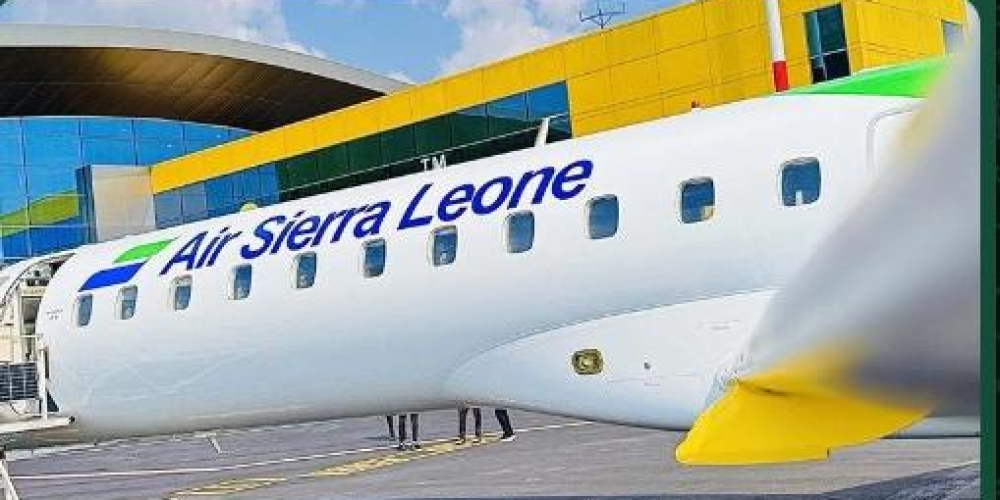
The European Union (EU) has placed a ban on all airlines certified in Sierra Leone, prohibiting them from operating within EU airspace. This decision follows the EU’s latest update to its Air Safety List, which includes airlines deemed unable to meet international safety standards.
The move is part of the EU’s commitment to maintaining the highest levels of air safety across its member states. According to a statement from the European Commission, Sierra Leone’s civil aviation oversight has been flagged for insufficient adherence to global safety requirements, prompting the inclusion of its airlines on the list.
Impact on Sierra Leone’s Aviation Sector
This ban has significant implications for Sierra Leone’s aviation industry and its global connectivity. Airlines registered in the country are now barred from operating flights to, from, or within EU countries. Travelers intending to fly between Sierra Leone and EU destinations will need to rely on carriers from other countries unaffected by the ban.
For Sierra Leone, the inclusion in the EU Air Safety List highlights broader concerns about the state of its aviation sector. It serves as a wake-up call for authorities to strengthen regulatory oversight, enhance safety measures, and ensure compliance with international standards.
EU’s Position and Sierra Leone’s Next Steps
The European Commission has expressed its readiness to support Sierra Leone in addressing the safety shortcomings identified in its aviation sector. Collaboration between the EU and Sierra Leone’s civil aviation authorities could pave the way for improvements that might eventually lead to the removal of the ban.
Such a process, however, requires significant investment in training, infrastructure, and the implementation of effective regulatory frameworks. Experts believe that enhancing safety standards could not only regain the EU’s trust but also boost Sierra Leone’s reputation in the global aviation industry.
A Call for Urgent Action
The ban serves as a stark reminder of the critical role that aviation safety plays in fostering international partnerships and economic development. For Sierra Leone, it underscores the need for immediate action to ensure the safety and reliability of its aviation services.
The EU will continue to monitor Sierra Leone’s progress and periodically review its Air Safety List. As the nation works towards compliance, it remains to be seen how swiftly Sierra Leone can address these challenges and restore confidence in its aviation sector.
Conclusion
The EU’s decision to ban Sierra Leonean airlines is a setback for the country’s aviation ambitions but also an opportunity to reform and improve its aviation standards. With the right approach and cooperation, Sierra Leone could not only regain access to EU airspace but also emerge as a stronger player in the global aviation market.