



By Aminata Abu Bakarr Kamara
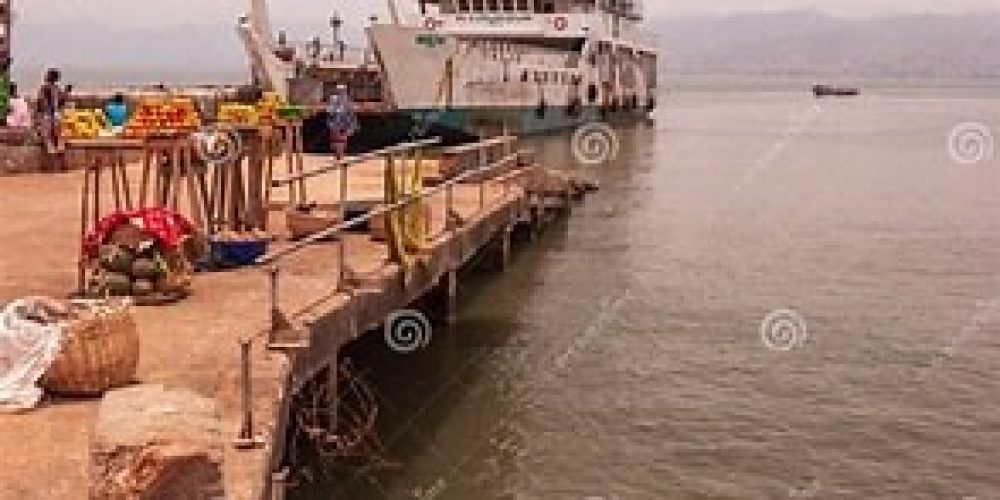
Every day, long queues stretch across the ferry terminals along the Rokel River. From early morning until late evening, traders, students, workers, and motorbike riders wait patiently—or impatiently—for ferries that are often late, overcrowded. For many Sierra Leoneans, the ferry system that should be a bridge of connection has become a source of delay, frustration, and financial burden.
“I got here at 7:00 in the morning,” said Mariatu Kamara, a petty trader from Lungi, balancing a basin of vegetables on her head. “The ferry didn’t leave until almost 9:00. That’s two hours just sitting, and I still have to travel another hour by road to the market. Sometimes my goods spoil before I reach the market.”
She is one of hundreds who depend daily on ferry crossings like Tagrin, Mabang, and Shenge to move between the northern districts and the capital. The Rokel River, which runs through some of the country’s most populated and productive areas, has become more of an obstacle than a link due to the unreliable nature of its ferry system.
Alhaji Lansana Sesay, a motorbike rider from Loko Massama chiefdom, leaned on his bike as he spoke. “If I miss the 8 a.m. ferry, the next one might not come until 12 or 3 p.m. That’s my whole day gone. I can’t make money like that. I’ve even slept at the terminal before because the ferry broke down.”
The financial cost is another heavy burden. Passengers pay an average of Le26 per trip, but those transporting goods, motorbikes, or equipment pay significantly more. For frequent travellers like students and traders, this becomes a major expense.
“It costs about Le26 for me alone, but if you’re carrying a bike or goods, that can jump to Le100 or more,” said Mohamed Jalloh, a university student from Lungi “For someone like me on a student budget, it’s expensive. And sometimes we even have to tip someone to get a place on the ferry when it’s overcrowded.”
Delays and inefficiencies in ferry transportation are not just personal inconveniences they also have national consequences. Economists warn that these challenges are disrupting trade and slowing economic growth in rural areas. Perishable goods often rot before they reach urban markets, and business owners struggle with unpredictability.
Despite numerous complaints, improvement has been slow. In 2023, the government announced plans to invest in ferry infrastructure and introduce new vessels. But commuters say little has changed.
“We hear about new ferries, but where are they?” asked Haja Fatmata Conteh, a trader and community organizer in Targrin “We still wait for hours, we still pay too much, and no one explains anything when there are delays. People are suffering in silence.
Some local organizations are advocating for better community engagement in the process. Civil society groups argue that ferry users should have a say in how schedules are managed and how fares are set.
Meanwhile, commuters like Mariatu Kamara are left to hope that each trip won’t be another drawn-out ordeal. “I just want to get to the market early, sell my goods, and go back home. That’s not too much to ask,” she said, staring out at the wide brown stretch of the Rokel River.
Until substantial reforms are implemented, the ferry crossings that should connect Sierra Leone will remain points of delay, stress, and rising cost for thousands each day.
Copy right –Printed in the Expo Times News on Monday, June 2nd, 2025 (ExpoTimes News – Expo Media Group (expomediasl.com)