



By Thaimu T. Kamara
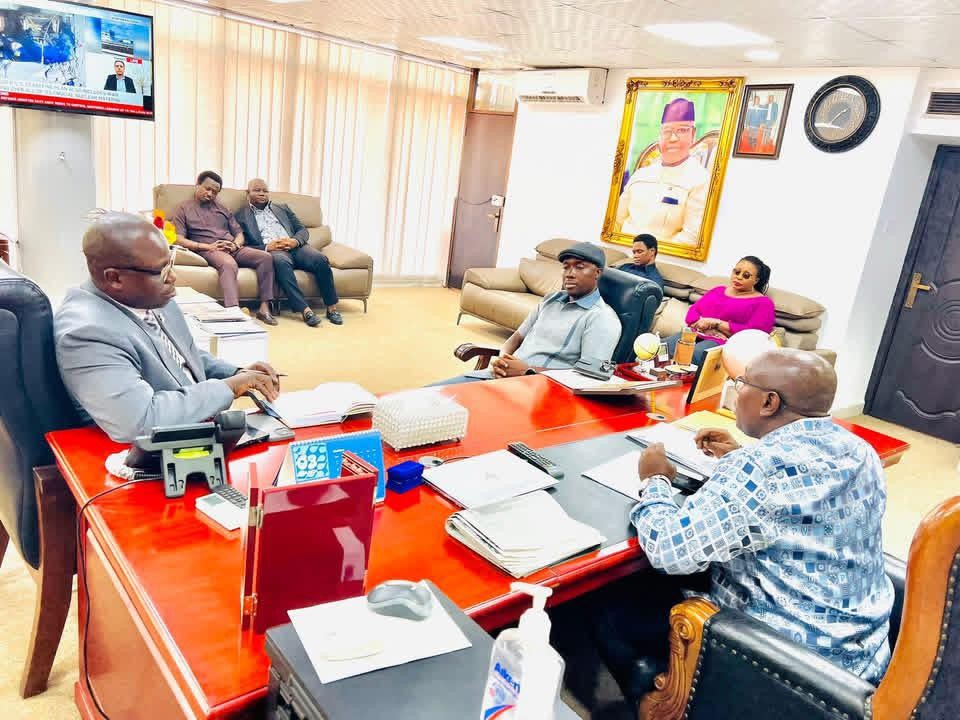
The Speaker of Parliament, has held a high-level meeting with leaders of the parliamentary opposition in a bid to resolve the ongoing boycott of parliamentary sittings and restore full legislative participation.
The meeting, which took place on Wednesday, March 25, 2026, brought together key opposition figures, including the Leader of the Opposition, Abdul Kargbo, and focused on addressing concerns that have led to the opposition’s withdrawal from parliamentary proceedings.
According to sources present at the meeting, the primary objective of the engagement was to encourage the opposition to resume their constitutional duties in Parliament, amid growing concerns about the impact of their absence on governance and legislative progress.
During the discussions, Hon. Kargbo outlined the opposition’s reasons for distancing themselves from parliamentary activities. He explained that their decision was largely influenced by the recent appointment of Edmond Alpha as the new Chief Electoral Commissioner. The opposition, he said, holds strong reservations about the appointment and its potential implications for the credibility of future elections.
Hon. Kargbo emphasized that the opposition believes Mr. Alpha should not be involved in the conduct or supervision of the 2028 general elections, arguing that confidence in the electoral process must be safeguarded to ensure transparency and fairness. He maintained that their stance was rooted in protecting democratic principles rather than undermining governance.
In response, Speaker Thomas acknowledged the concerns raised by the opposition but urged them to reconsider their approach. He appealed for a shift away from what he described as counterproductive measures, stressing that parliamentary boycott is not the most effective way to address political grievances.
The Speaker underscored the importance of Parliament as an independent arm of government, distinct from the executive, and reminded the opposition of their constitutional mandate to represent the people of Sierra Leone. He argued that disengagement from parliamentary proceedings ultimately denies citizens effective representation and slows down national development.
“Parliament remains the appropriate platform for debate, accountability, and resolution of national issues,” the Speaker reportedly stated, encouraging opposition members to channel their concerns through legislative debate, motions, and other parliamentary mechanisms rather than abstention.
He further called on both sides of the political divide to set aside partisan differences in the national interest. According to him, collaboration and constructive engagement are essential to strengthening democratic institutions and ensuring that governance processes remain inclusive.
A key point highlighted by the Speaker was the number of critical legislative matters currently awaiting parliamentary action. He noted that several constitutional amendments are pending and described them as historic in scope, requiring broad-based participation from all elected representatives.
Speaker Thomas stressed that the absence of the opposition risks undermining the legitimacy and comprehensiveness of such reforms. He therefore urged opposition lawmakers to return to Parliament and actively contribute to shaping decisions that will have long-term implications for the country.
In addition to addressing immediate concerns, the Speaker assured the opposition delegation that their grievances would not be ignored. He pledged to communicate the outcome of the meeting to Julius Maada Bio, with the aim of facilitating a broader and more holistic approach to resolving the current political impasse.
The engagement has been widely viewed as a constructive step toward easing tensions between the ruling government and the opposition. Political observers note that such dialogue is critical in maintaining democratic stability, particularly during periods of heightened political disagreement.
The meeting also reflects ongoing efforts by parliamentary leadership to promote bipartisan cooperation and ensure that governance processes continue without unnecessary disruption. By opening channels of communication, the Speaker is seen as playing a mediating role aimed at restoring trust and functionality within the legislative arm.
While no immediate resolution was announced, there is growing optimism that the discussions could pave the way for the opposition’s eventual return to parliamentary sittings. Analysts suggest that continued dialogue and goodwill on both sides will be key to achieving a sustainable outcome.
The Parliamentary and Public Relations Department of the Parliament of Sierra Leone described the meeting as a positive development, emphasizing its significance in reinforcing democratic values and institutional resilience.
As the country navigates this period of political tension, many citizens and stakeholders are hopeful that the outcome of such engagements will lead to a more inclusive and cooperative governance framework—one that prioritizes national interest above partisan considerations.
The coming days are expected to be crucial, as both the government and the opposition weigh their next steps. For now, the Speaker’s intervention stands as a notable attempt to bridge divides and ensure that Parliament continues to function as a central pillar of Sierra Leone’s democracy.
Copyright –Published in Expo Times News on Monday, 30th March 2026 (ExpoTimes News – Expo Media Group (expomediasl.com)