



By Kadiatu A. Turay
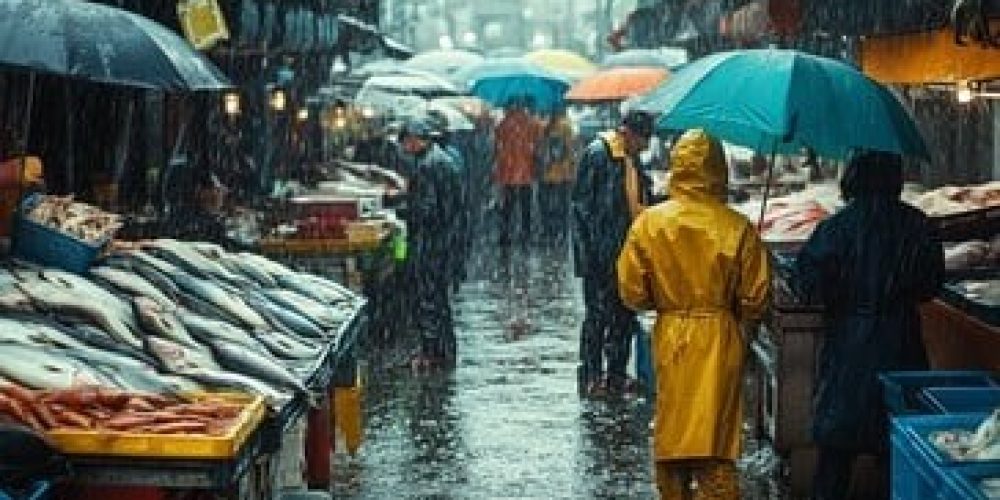
In Sierra Leone’s rainy season, the streets of Freetown and other major cities become a battleground for street vendor’s unsung heroes of the informal economy, despite leaking umbrellas, flooded stalls, soaked feet, and the constant risk of spoiled goods, these vendors persist, driven by the need to survive. Their resilience is a testament to human grit, yet their struggles highlight deeper issues of urban planning, poverty, and neglect.
Street vendors are vital to Sierra Leone’s economy, supplying affordable goods and services to thousands. From roasted groundnuts and fried plantains to raw fish, second-hand clothes, and phone credit, their role is indispensable in urban life. Yet, they receive little support or recognition, especially during the rainy season when their challenges intensify.
Fatmata Sesay, a mother of three selling fruits along Siaka Stevens Street, shared her ordeal, when the rain comes, it’s suffering. My oranges get wet and spoil. The cold seeps into my bones, but I have no choice. If I don’t sell, my children don’t eat.
Fatmata’s story reflects the reality of countless vendors who endure hours in the rain to provide for their families.
Most vendors operate without proper shelters, relying on makeshift stalls of tarpaulin, wood, and plastic that offer little protection from rain and wind. Heavy downpours seep through, damaging goods and leaving vendors drenched, Abubakarr Kamara, a 27-year-old selling phone accessories in PZ, explained:
Rain doesn’t stop the hustle, but it makes it ten times harder. My chargers and headsets get soaked. If I display them, water ruins them. If I hide them in a bag, customers can’t see them, what can I do, For many, the rainy season is not just an inconvenience it threatens their income and health.
Constant exposure to rain and poor sanitation puts vendors at risk of colds, pneumonia, and skin infections. Without access to health insurance or financial safety nets, many work through illness.
Mariatu Conteh, a food vendor at Abacha Street, described her struggle, we cook in the rain. The gutters are dirty, but we have no choice. If I don’t cook, how will I buy medicine when I’m sick the government doesn’t even see us.
The absence of public health infrastructure and social support leaves vendors vulnerable during this challenging season.
Advocates for informal workers argue that better government policies and urban planning could alleviate these hardships, John Macauley, a local economist and researcher, stated:
Street vending is legitimate employment in economies like Sierra Leone’s, yet it’s largely ignored. Rain-proof stalls, proper drainage, and access to health services would protect vendors and boost local commerce, he emphasized that inclusive urban planning must involve vendors in decision-making to address their needs effectively.
The Freetown City Council (FCC) has tried organizing street vending through designated market spaces, but many are overcrowded, under-equipped, or poorly located, forcing vendors back to the streets, Councillor Aminata Jalloh of Ward 431 acknowledged:
We’re trying to relocate vendors to structured markets, but some refuse because the markets are full or too far from customers. We need more funding and collaboration to build suitable infrastructure for street businesses.”
She stressed the need for public-private partnerships to address gaps in vendor support, especially during the rainy season, street vendors often face criticism for causing congestion or occupying unauthorized spaces, yet their struggles, particularly in the rain, deserve compassion.
Kadiatu Bah, a university student, shared her perspective, I used to complain about vendors blocking sidewalks. But one day, I saw a woman selling in heavy rain, shivering and wet. It humbled me, these people are trying.
She urged citizens and the government to recognize the sacrifice and determination of vendors, especially in harsh weather.
Despite the challenges, many vendors cling to hope, rising daily with renewed determination fueled by love for their families and an unwavering will to survive, as Fatmata, the fruit seller, said with a smile, the rain will stop one day, but I won’t. God gives us strength.
The rainy season exposes the daily trials of street vendors, but it also reveals their extraordinary courage. Their stories demand urgent action from policymakers, city authorities, and society. By investing in sustainable infrastructure, healthcare, and vendor-friendly policies, Sierra Leone can ensure these hardworking individuals receive the support they deserve.
Until then, street vendors will keep hustling in the rain not just selling goods, but embodying the unbreakable spirit of a people who persevere, no matter how fiercely the skies pour down.
Copyright –Published in Expo Times News on Friday,25th July, 2025 (ExpoTimes News – Expo Media Group (expomediasl.com)