



By Kadiatu A. Turay
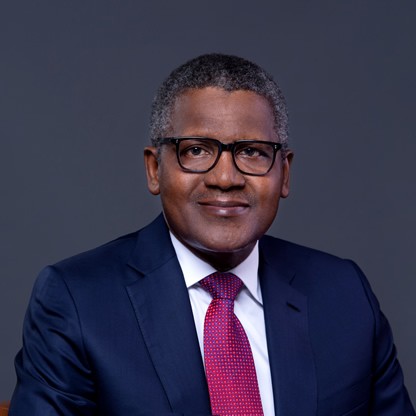
Aliko Dangote, Owner of Dangote Cement (SL)
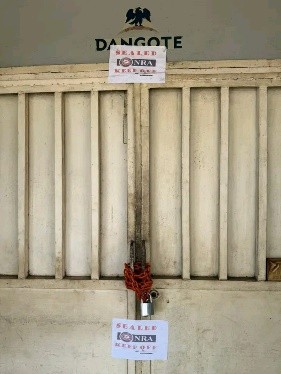
The Sierra Leone Government has moved decisively against Dangote Cement (SL) Ltd, ordering the suspension of its operations over what authorities say is an unpaid freight levy amounting to $653,300, a debt reportedly dating back to 2020. The action, spearheaded by the National Revenue Authority (NRA), has sparked debate among policymakers, workers, business leaders, and the wider public about accountability, fairness, and the implications for Sierra Leone’s economy.
According to officials, the decision was enforced by the NRA’s Non-Tax Revenue Department, led by Commissioner Tom Vandy, with support from the Deputy Commissioner of NTR and the Compliance Unit of the Domestic Tax Department. Authorities insist that the government has given the cement manufacturer ample time to fulfill its obligations.
“No company, regardless of its size or global reputation, is above the laws of Sierra Leone,” Commissioner Vandy stated. “This levy is not new, and Dangote Cement has had sufficient notice since 2020. The people of this country deserve accountability, and the government is simply enforcing what is owed.”
Economic and Industry Context
Dangote Cement, owned by Nigerian billionaire Aliko Dangote, is one of Africa’s largest industrial companies, with investments in several countries. In Sierra Leone, it has been a major supplier of cement since its establishment, playing a central role in infrastructure development, real estate, and public works projects.
The suspension of its operations, however, has raised pressing questions about the ripple effects on the local economy. Cement is an essential product in Sierra Leone’s rapidly expanding construction sector. Developers, contractors, and ordinary citizens worry that supply shortages could drive up prices in the short term.
A local contractor, Ibrahim Kamara, expressed concern:
“We depend heavily on Dangote cement for our building projects. If the factory stays closed for too long, prices will skyrocket, and ordinary people who are trying to build homes will suffer.”
Workers’ Anxiety.
Perhaps the most immediate impact of the shutdown is felt by the company’s workforce. Dangote Cement employs hundreds of Sierra Leoneans directly, with many more indirectly engaged through transportation, sales, and small-scale distribution networks.
Mariatu Conteh, a saleswoman in Freetown who earns her living reselling cement to construction sites, shared her fears:
“If Dangote stops working, my business stops too. I have children in school, and this is how I pay their fees. I understand the government wants its money, but they should also think about us small people who will lose everything if this continues.”
The Sierra Leone Labour Congress has already signaled its intent to engage both the government and the company to safeguard the livelihoods of workers. “We are concerned that employees could become collateral damage in this dispute,” a union representative said.
Government’s Position
Government officials argue that enforcing compliance is not just a matter of revenue collection but also fairness. Smaller businesses and ordinary citizens are expected to pay their taxes and levies, and failing to hold a multinational company accountable would send the wrong message.
“We cannot have double standards,” said a senior official at the Ministry of Finance. “When ordinary market women pay their dues daily, why should a multinational company owe for years and continue operating? This enforcement is about equality before the law.”
The government also insists that the revenue in question could fund essential services such as healthcare, education, and infrastructure, all of which are urgently needed in the country.
Business Community Reactions
The private sector, however, is divided. While some business leaders welcome the government’s firmness in enforcing compliance, others worry that the move could discourage foreign investment in a country that is striving to attract international companies.
A representative of the Chamber of Commerce noted:
“It is important for companies to meet their obligations, but the government must also find a way to enforce laws without destabilizing the business environment. Investors need confidence that disputes can be resolved without dramatic shutdowns.”
The Dangote Side of the Story
As of the time of going to press, Dangote Cement has not issued an official public statement, but sources close to the company suggest that it may contest the debt amount and the manner in which the enforcement was carried out. Some reports indicate that discussions between the company and government officials had been ongoing before the shutdown order was executed.
If the standoff drags on, Sierra Leone could face supply shortages, while Dangote Cement risks losing market dominance to smaller competitors.
Voices from the Streets
On the streets of Freetown, ordinary citizens expressed mixed feelings. While many sympathize with the workers and fear higher cement prices, others applaud the government’s bold stance.
Samuel Kargbo, a teacher in Wellington, remarked:
“For too long, big companies have operated like they are untouchable. If Dangote owes the country, they must pay. The government must stand firm because this is not just about cement it’s about respect for our laws.”
Meanwhile, in Port Loko, near the company’s base of operations, residents are worried about the social and economic fallout if the standoff is not quickly resolved. Local food vendors and transport operators who depend on the factory’s workers for business are already bracing for losses.
The Way Forward
Analysts say that the situation calls for urgent dialogue between the government and Dangote Cement. With the construction sector at risk of disruption, and hundreds of jobs potentially on the line, a prolonged shutdown would be costly for all sides.
International business analysts also note that Sierra Leone, like many African nations, faces a delicate balancing act between asserting sovereignty and enforcing laws on one hand, and maintaining an attractive investment climate on the other.
For now, the people of Sierra Leone watch closely, waiting to see whether the government’s tough stance will bring a quick resolution or whether the dispute will spiral into a deeper economic and social challenge.
As one Freetown resident puts it: “We just want a fair solution. Let the company pay what it owes, but let the government also make sure that ordinary people don’t suffer in the process.”
Copyright –Published in Expo Times News on Wednesday,27th August 2025 (ExpoTimes News – Expo Media Group (expomediasl.com)