



By Josephine Sesay
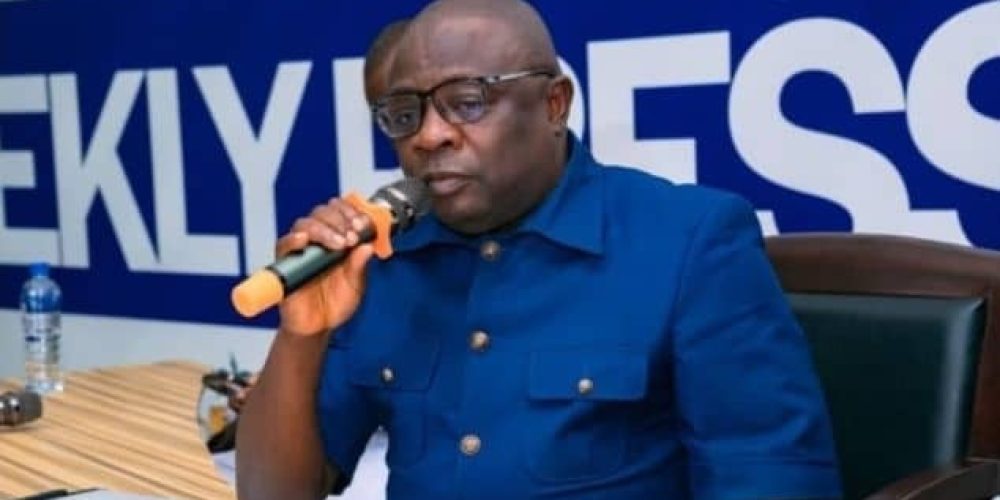
In response to a recent drop in fuel prices, Sierra Leone’s Ministry of Transport and Aviation has successfully negotiated a nationwide reduction in transport fares. The announcement was made during the Ministry of Information and Civic Education’s weekly press briefing, where Deputy Minister Rex Bhonapha confirmed the development.
Following consultations with key stakeholders including the Drivers’ Union, Keke and bike rider associations, and Waka Fine Bus operators the government secured an agreement to lower fares by NLe2 for urban transport and NLe10 for provincial routes. The initiative aims to ease the financial burden on citizens and ensure public transportation costs reflect current fuel pump prices.
On the maritime front, ferry operators on the Ferry-Targrin and Government Wharf-Targrin routes have also agreed to fare reductions: NLe2 less for standard passengers and NLe10 less for heavy vehicles. In addition, students, military personnel, and police officers in uniform are now exempted from paying ferry fares a move applauded by civil society and advocacy groups.
Commissioner of the National Commission for Children, Madam Joyce Wuya Tejan-Kella, commended the Ministry for prioritizing children’s welfare through free ferry access and the government’s continued provision of school buses. She emphasized the Commission’s responsibility to protect children’s rights, citing the revised Child Rights Act of 2007, which empowers the body to investigate and address child welfare concerns.
The press briefing also spotlighted a series of digital innovation projects led by the Directorate of Science, Technology and Innovation (DSTI). Director and COO Jasper Patrick Sembie outlined key initiatives advancing public sector efficiency and digital inclusion:
PResTrac, a maternal health monitoring system currently in over 40 clinics, supporting more than 10,000 pregnant women, a digital regulatory platform for the Sierra Leone Nursing and Midwifery Council, streamlining registration and licensing processes.
The digital transformation of the Armed Forces Endowment and Loan Scheme (AFELS), bringing financial transparency to over 11,000 military personnel.
A real-time national energy dashboard, developed in collaboration with Dr. Kandeh Kolleh Yumkella, to monitor energy supply and demand.
Expansion of the Learning Passport program, which delivers digital skills training through community hubs reaching more than 28,000 young people nationwide.
DSTI is also providing digital literacy and systems management training to 1,000 military personnel, reinforcing the government’s broader agenda for national digital transformation.
These multi-sectoral interventions underscore the government’s commitment to reducing the cost of living, protecting vulnerable populations especially children and accelerating Sierra Leone’s digital empowerment journey.
Copyright –Published in Expo Times News on Monday,4th August 2025 (ExpoTimes News – Expo Media Group (expomediasl.com)