




By Josephine Sesay
In a significant stride toward modernizing Sierra Leone’s energy landscape, the Directorate of Science, Technology and Innovation (DSTI), in collaboration with the Ministry of Energy (MoE), has officially launched the development of three major digital systems aimed at transforming energy governance across the country.
The initiative was unveiled during a high-level meeting in Freetown, signaling a new era of innovation, transparency, and accountability within the energy sector.
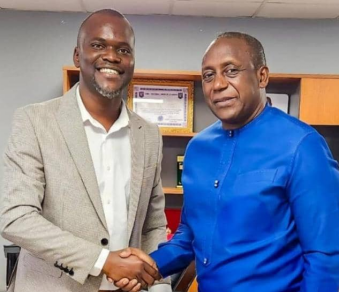
Led by DSTI Director and Chief Operating Officer, Jasper Sembie, the project kickoff brought together key stakeholders, including DSTI’s Product Team and the Ministry’s Energy Sector Lead, Dr. Kandeh Kolleh Yumkella. The digital transformation effort directly aligns with President Julius Maada Bio’s flagship agenda to promote sustainable energy through smart governance and technological innovation.
At DSTI, we are under clear instruction and strong conviction to support the President’s sustainable energy vision through innovation, efficiency, and system reform, Sembie stated during the meeting.
Deputy Minister of Energy I, Ing. Edmond Nonie, introduced the trio of digital tools, which were formally presented by DSTI to Dr. Yumkella for strategic oversight and guidance. The new systems include:
A real-time monitoring platform offering critical performance indicators and operational data across the energy value chain. A comprehensive geospatial mapping system to track infrastructure assets such as transformers, poles, cables, and meters. A centralized digital platform enabling Independent Power Providers (IPPs) to manage procurement, delivery, validation, and compliance processes.
Together, these tools aim to enhance evidence-based decision-making, improve sector coordination, and lay the groundwork for broader institutional reform.
Dr. Yumkella stressed the urgent need to develop a centralized Project Tracking Dashboard that would serve as a monitoring and oversight tool for ongoing energy initiatives. He outlined several proposed functions, including:
Monitoring project timelines and identifying delays Tracking accountability across ministries and implementing partners Overseeing key contracts such as Power Purchase Agreements (PPAs) Enhancing transparency through public access to project data
He further emphasized the importance of launching a public-facing Ministry of Energy website and digital portal, noting the Ministry’s current lack of an online presence as a critical gap in citizen engagement and public accountability.
DSTI has already drafted initial Product Requirements Documents (PRDs) and is actively engaging stakeholders to refine design specifications. The next phase of development will include:
Drafting full proposals for the internal project dashboard and public portal Hosting joint requirements-gathering workshops with technical teams from the Ministry Ensuring alignment with the national digital governance framework
The initiative is designed with scalability in mind, allowing for potential adaptation by other ministries and sectors as DSTI works to expand digital infrastructure and service delivery nationwide.
With the combined technical leadership of Deputy Minister Nonie, strategic vision from Dr. Yumkella, and project management from DSTI, this partnership sets a bold precedent for technology-driven public service reform in Sierra Leone.
Copyright –Published in Expo Times News on Wednesday,16th July, 2025 (ExpoTimes News – Expo Media Group (expomediasl.com)