


By Fatmata Binta Bah
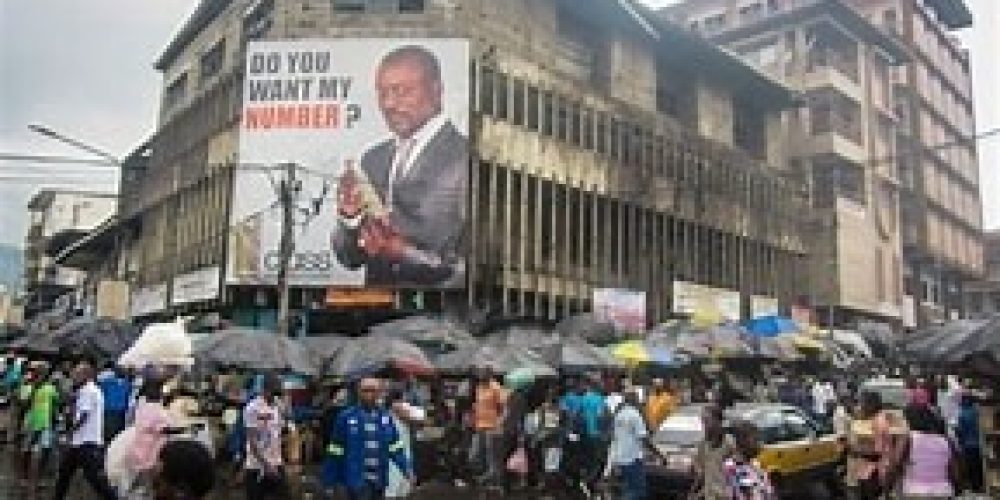
Freetown, the bustling capital city of Sierra Leone, is a place of immense cultural historical significance. However, as the city has expanded, it has faced significant challenges, most pressing being its transportation crisis. The transportation crisis in Freetown has become one of the most pressing issues for its residents, affecting their daily lives, the local economy and degrading the quality of life for its residents. This article delves into the multifaceted nature of the transportation crisis in Freetown, exploring the causes, effect of the crisis, drawing insights from recent articles and interviews with specific people and suggests a possible solution to alleviate the situation.
Freetown’s transportation woes are deeply rooted in its history and rapid urban growth. Originally founded as a settlement for freed African slaves in the late 18th Century, the city was not designed to accommodate the sprawling population it hosts today. Over the years, Freetown has grown significantly, with its population swelling immensely. This exponential growth has placed immense pressure on the city’s infrastructure, particularly its roads and public transportation system.
ROAD INFRASTRUCTURE
The road infrastructure in Freetown is primarily the sole contributor to the transportation crisis. The city’s roads are notoriously narrow, poorly maintained and often unpaved. Major thoroughfares like Wilkinson Road and Kissy Road are perpetually clogged with traffic, creating bottlenecks that slow down movement across the city. The lack of coherent road network exacerbates these issues, as many streets are unplanned and have developed originally without strategic foresight. The city’s narrow roads, many of which date back to the colonial era, are now overwhelmed by the sheer volume of vehicles, leading to daily traffic jams that can last for hours. Repairing existing roads and constructing new ones along with bypasses to divert traffic from congestion areas could significantly ease the flow of vehicles.
PUBLIC TRANSPORTATION WOES
Public transportation in Freetown is another critical area of concern. The system is largely informal and it consists primarily of poda-poda and okadas. They are typically overcrowded, unsafe, and uncomfortable yet, they remain a lifeline for many residents due to lack of better alternatives. Okadas on the other hand, offer more flexible point-to-point transportation but are equally problematic. They are notorious for their reckless driving, frequent accidents and contribution to traffic congestion. These modes of transport, through essential and frequent overcrowding and few others offer little comfort or safety of passengers. The city’s public transportation is characterised by lack of reliability and organization, forcing of transportation.
The inadequacy of public transportation is compounded by limited reliable formal transit system such as the Waka Fine and school buses. The gap forces residents to rely heavily on private vehicles and informal transit options both of which contribute to the overall transportation crisis.
ECONOMIC AND SOCIAL IMPACT
The transportation crisis has far-reaching economic and social impacts. In terms of the economic level, the inefficiencies in the transportation system led to significant productivity losses. Businesses suffer from delay in the delivery of goods and services, while workers lose valuable hours stuck in traffic. The high cost of transportation also eats into household budgets, particularly for low-income families who spend a disproportionate amount of their income in commuting. This economic barrier leaves a large portion of the population dependent on the faltering public transport system, further aggravating the crisis.
Socially, the transportation crisis affects quality of lives in several ways. The stress and frustration associated with long commuters take a toll on mental health, while the physical strain of overcrowded transportation is unsafe for residents. From the social aspect, it has affected the limited access to services such as education, healthcare and other significant services of different types due to transportation crisis.
The environmental impact is also significant, with the constant traffic jams contributing to increased air pollution and greenhouse gas emissions.
Addressing the transportation crisis in Freetown requires a multi-faceted approach. One potential solution is for the government to prioritize the development of modern, efficient public transport system. This could include the introduction of more buses, the construction of new roads, and the development of alternatives modes of transport such as cycling lanes and pedestrian pathways. Additionally, ensuring proper drainage systems to combat flooding during the raining season and providing a safer and more comfortable alternative to the current options. Improving is very crucial, repairing existing roads and constructing new ones along will ensure to divert traffic from congestion areas could significantly ease the flow of vehicles.
Collaboration and education also play vital roles in addressing the crisis. Engaging stakeholders, including the Sierra Leone Road Safety Authorities (SLRSA) in promoting public awareness campaigns about road safety and the benefits of public transport that fosters a culture of responsibility. Such initiative combined with the support of local communities and international partners, can lay the groundwork for sustainable transportation solutions.
Government funding is essential to these efforts ensuring that transportation projects and infrastructure maintenance receive the necessary financial backing. Encouraging private sector investment to also bring in expertise and additional resources to develop and manage the city’s transportation infrastructure effectively.
As these initiatives take root, the vision of a smoothly functioning transportation system in Freetown moves closer to reality, offering hope and relief to those who call this dynamic city their home.