



By Jensen Brian Abass Cummings
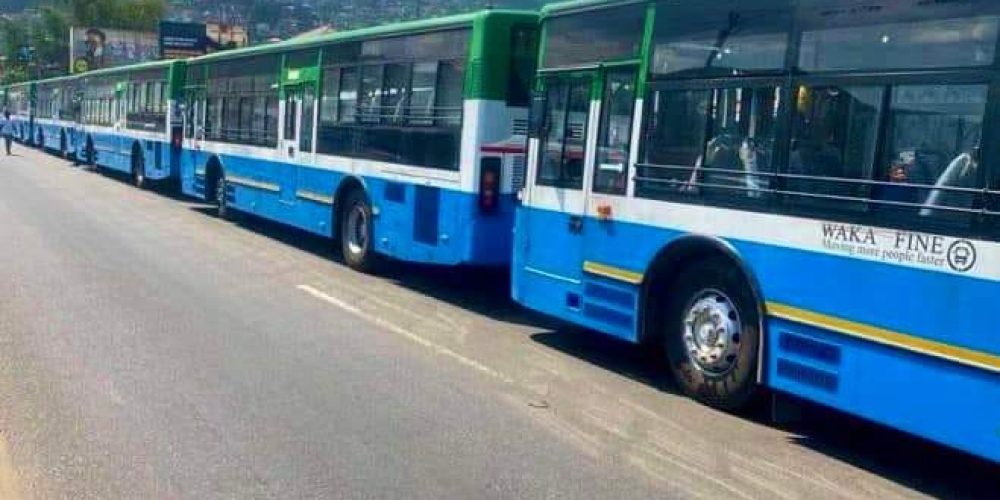
In a recent development, Sierra Leone has witnessed the introduction of 50 government-purchased buses named “WAKA FINE” into its public transportation system. As a concerned and engaged citizen, I undertook an investigation into the public sentiments surrounding this initiative. Through informal discussions with various Sierra Leoneans, I gathered diverse opinions on aspects such as fare pricing, traffic diversion, ticket validity, and the impact on local businesses.
There is captured sentiment in these words, “IF AT ALL FOR ONCE, let us all put aside our differences and embrace a good venture by the government and the said ministry.
Public Opinions:
- Fare Pricing Concerns:
The issue of the fare price, set at 10 Leones, has sparked significant debate. Some Sierra Leoneans find this amount exorbitant, especially when compared to the costs incurred using alternative private transportation. Residents of areas like Calaba Town Highlight the challenges they face, emphasizing that the new government buses should provide a more affordable and convenient option.
- Traffic Diversion:
A noteworthy observation is the diversion of traffic, where private transport routes are redirected, and creating exclusive lanes for the government buses. While this move has received mixed reactions, some citizens appreciate the potential benefits of organized traffic patterns, suggesting that adherence to specific timeframes for different vehicle types could lead to smoother operations.
- Pricing Structure for Halfway Passengers:
One suggestion from the public is the need for a differentiated pricing structure for passengers traveling halfway. The absence of such an option has been perceived as a drawback, prompting calls for adjustments in the fare system to accommodate various travel needs.
- Ticket Validity Dispute:
A controversial claim emerged regarding the validity of a 10-leones ticket, with some stating it is valid for a specific duration, such as 12 hours. However, the Minister of Information disputed this assertion, emphasizing the need for clarity on ticket terms to avoid confusion among passengers.
- Impact on Local Businesses:
The introduction of the buses has brought changes to Sani Abacha Street, affecting the distribution of goods to street sellers. Complaints have been voiced about restrictions on trucks and trolleys during certain hours, leading to slower sales for both shops and street vendors. The need for a balanced solution that considers the interests of all stakeholders is evident.
Author’s Take:
- Addressing concerns raised by residents.
The affordability of transportation becomes a central focus. I candidly acknowledge the challenges faced by citizens residing in areas like Calaba Town, where private transportation costs often surpass the 10-leone fare set for the government buses. Drawing from personal experiences and the struggles of fellow Sierra Leoneans, I emphasize the economic relief brought about by the Waka Fine buses. It becomes evident that these government-owned buses not only provide a more economical option for daily commuting but also alleviate the logistical hurdles associated with private alternatives. The perspective from the far east adds a valuable dimension to the discussion, portraying the positive impact of the new transportation system on the everyday lives of citizens in this region.
- Affordability in the Far East:
Delving deeper into the affordability concerns from the perspective of those residing in the far east, the below are the practical challenges faced by commuters in areas such as Calaba Town. The assertion is that the 10-leone fare offered by the government buses stands in stark contrast to the higher costs incurred while using private transportation for such long distances.
In practice they frequently stop halfway, leaving passengers to navigate the remaining distance independently. This adds an extra layer of complexity and cost for those relying on private options. I hereby emphasis on the often-arbitrary nature of private vehicle stops and the expectation for passengers to determine their own destination speaks to the need for a more structured and user-friendly transportation system.
Additionally, the challenges faced by users of bikes and kekehs (tricycles), suggesting that these modes of transportation can be particularly expensive and inconvenient for those in the far east. This nuanced perspective sheds light on the day-to-day struggles faced by citizens and underscores the significance of the government’s initiative in providing an affordable and reliable alternative.
- Organized Traffic Management:
The implementation of designated lanes for specific forms of transportation is similar to practices in other African countries. Despite initial concerns, I herebyexpressed optimism that adapting to such traffic management measures will lead to normalized operations.
- Impact on Sani Abacha Street Shops and Sellers:
A noteworthy aspect of the Waka Fine buses’ introduction is the observed impact on Sani Abacha Street and its bustling market. Sellers and shopkeepers in this area have raised concerns about the interruption in the distribution of goods due to restrictions on trucks and trolleys during certain hours.
The reported slowdown in the delivery of goods has resulted in slower sales for both shop owners and street vendors. This has prompted a reassessment of the existing logistics and distribution network that sustains the vibrant economic activity on Sani Abacha Street.
While acknowledging the challenges faced by the sellers, I dosuggest that the central business district, including Sani Abacha Street, may benefit from a coordinated effort to find a balanced solution. The mention of the ongoing construction of the Victoria Park market and the need for vendors to adapt to changes in the city’s traffic patterns hints at a broader urban development context.
Conclusion and Advice:
There is capturedsentimentin these words, “IF AT ALL FOR ONCE, let us all put aside our differences and embrace a good venture by the government and the said ministry. Sometimes in life, you don’t need to be my friend to accept the good deeds that your enemy is doing. If it’s good, accept it, and when it’s wrong, speak out.” This call for unity and acceptance of positive change emphasizes that the collective strength and resilience of the Sierra Leonean people can be the driving force for a better future.
In closing, the article encourages citizens to embrace this positive venture, confident that with continued cooperation, more improvements will come to serve not only the urban areas but also the far east, west, and the provinces.
Copyright –Published in Expo Times News on Wednesday, February 7th, 2024 (ExpoTimes News – Expo Media Group (expomediasl.com)