



By Thaimu T Kamara
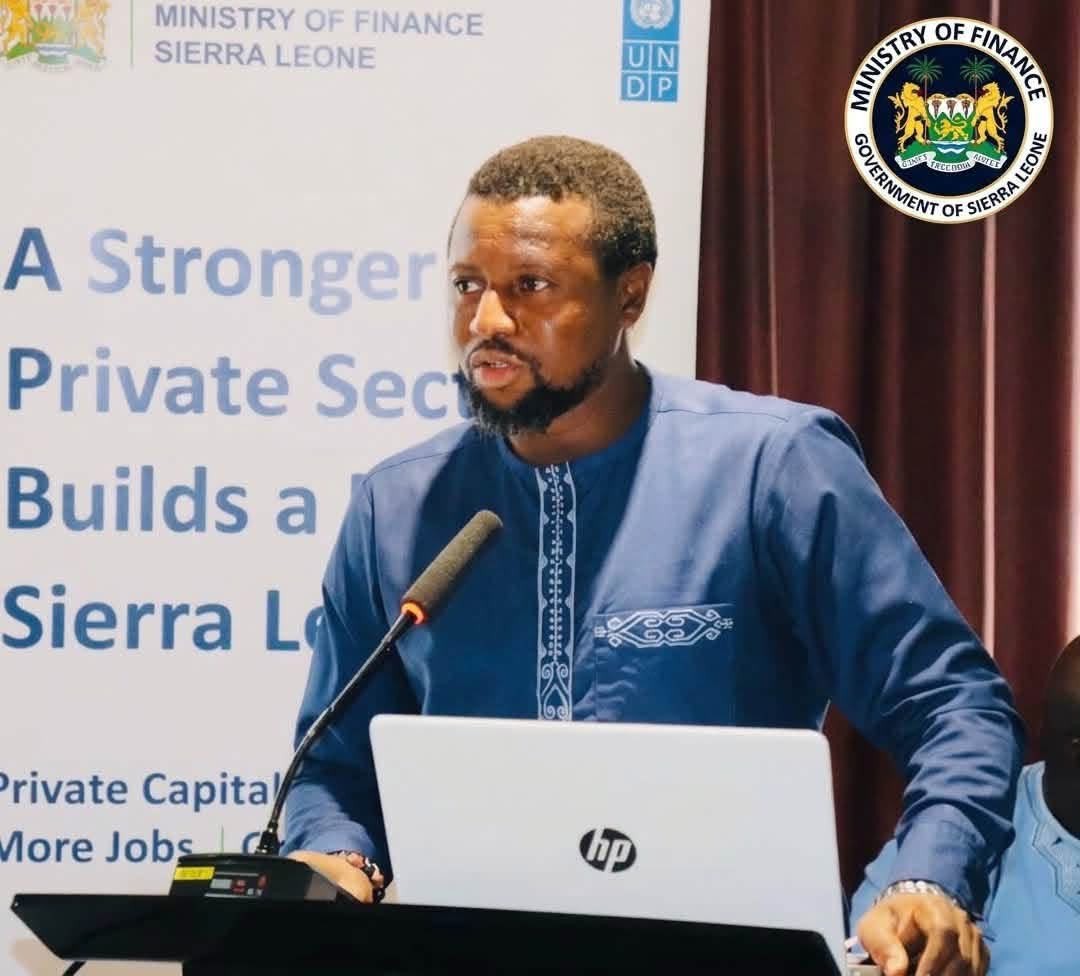
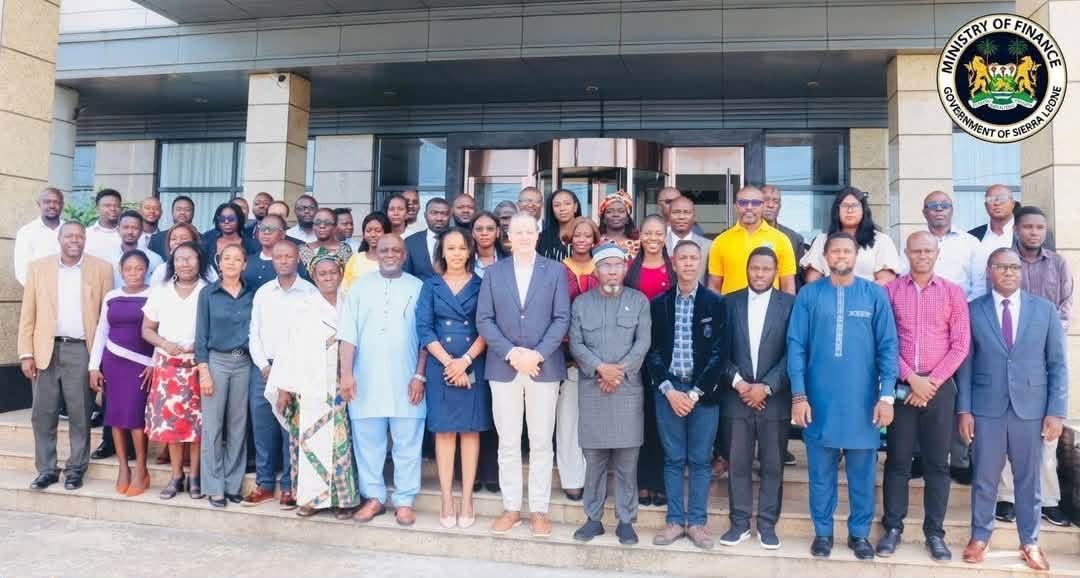
The Ministry of Finance, in partnership with the United Nations Development Programme (UNDP), has engaged private sector stakeholders on strategies to formalise informal businesses as part of efforts to boost domestic revenue mobilisation, create employment and strengthen Sierra Leone’s economic transformation agenda.
The engagement took place on Thursday, 29 October 2026, at the Atlantic Lumley Hotel in Aberdeen, Freetown, bringing together representatives of government institutions, private sector organisations, development partners, researchers and informal business operators to discuss practical approaches to addressing the challenges facing small and informal enterprises.
The policy roundtable focused on identifying barriers to business registration, reducing the costs and uncertainties associated with formalisation, improving access to finance and strengthening the capacity of businesses to compete in local and international markets.
In his opening remarks, Lead Facilitator Alieu Sesay outlined the objectives of the engagement, urging participants to develop practical, affordable and sustainable solutions that would encourage informal businesses to transition into the formal economy.
He stressed the importance of identifying incentives and support services that would make formalisation attractive to business operators, while improving their access to finance, business development opportunities and trade networks.
Speaking at the event, UNDP Deputy Resident Representative Kelvin Petrini commended the Ministry of Finance, particularly its Research and Delivery Unit, for facilitating the dialogue and bringing together key stakeholders to address challenges affecting private sector development.
He underscored the importance of building a resilient private sector capable of responding to economic uncertainties, attracting investment, creating employment and promoting innovation.
Mr Petrini also noted that achieving the Sustainable Development Goals (SDGs), particularly in areas such as youth employment, economic diversification, climate resilience and digital transformation, requires strong collaboration between government, development partners and the business community.
Delivering the keynote address on behalf of the Ministry of Finance leadership, Acting Director of the Research and Delivery Unit, Alhaji Abu Kommeh, expressed appreciation to UNDP for its partnership and continued support in promoting private sector development.
He observed that informal enterprises play a critical role in sustaining livelihoods and providing employment opportunities across markets, agricultural communities, fishing settlements and urban centres.
However, he noted that many of these businesses continue to face significant challenges, including limited access to capital, inadequate infrastructure, weak market linkages and restricted access to business support services.
Citing the World Bank’s 2025 Sierra Leone Economic Update, Mr Kommeh disclosed that approximately 75 per cent of enterprises in the country remain unregistered, while 85 per cent lack formal financial records. He further revealed that only five per cent of businesses have access to formal financing.
He also highlighted the country’s employment challenges, noting that Sierra Leone needs at least 75,000 new jobs annually, compared to approximately 41,000 jobs currently being generated.
According to him, these figures demonstrate the urgent need to strengthen the private sector and create an enabling environment that allows informal businesses to formalise, expand their operations and contribute more effectively to national development.
Mr Kommeh emphasised that formalisation should not be limited to obtaining business registration certificates but must involve creating productive enterprises with access to finance, markets, business development services and investment opportunities.
He linked the initiative to the Medium-Term National Development Plan (2024–2030), which targets the creation of 500,000 jobs, with the private sector expected to generate approximately 70 per cent of those employment opportunities.
The roundtable featured technical presentations examining the scale and nature of informality in Sierra Leone, possible pathways towards formalisation and findings from UNDP’s Private Sector Assessment.
The first panel discussion brought together representatives from the National Revenue Authority (NRA), National Investment Board (NIB), Freetown City Council, International Labour Organization (ILO), Aurora Foundation, informal sector businesses and Fourah Bay College, University of Sierra Leone.
Discussions focused on the institutional, regulatory and financial barriers preventing informal businesses from registering and accessing opportunities available within the formal economy.
A second presentation and panel discussion examined ways of strengthening private sector capabilities, improving access to finance and enhancing the capacity of local businesses to participate in domestic and international trade.
Moderated by Betts Firms, the session featured representatives from the Ministry of Trade and Industry, Sierra Leone Chamber of Commerce, Industry and Agriculture (SLCCIA), Sierra Leone Importers Association and the National Tourist Board.
Participants explored practical interventions to improve business competitiveness, strengthen institutional support and create better opportunities for small and medium-sized enterprises.
The engagement concluded with an interactive question-and-answer session, during which stakeholders identified priority actions and agreed on a roadmap to advance business formalisation.
The initiative is expected to contribute to broader efforts to expand Sierra Leone’s tax base, improve domestic revenue mobilisation, strengthen private sector productivity and create sustainable employment opportunities.
By addressing the barriers that keep businesses informal, the Ministry of Finance and UNDP aim to promote a more inclusive and competitive business environment in which enterprises can grow, access essential services and contribute meaningfully to the country’s economic development.
Copyright –Published in Expo Times News on Monday, 16th November 2026 (ExpoTimes News – Expo Media Group (expomediasl.com)