



By Josephine Sesay
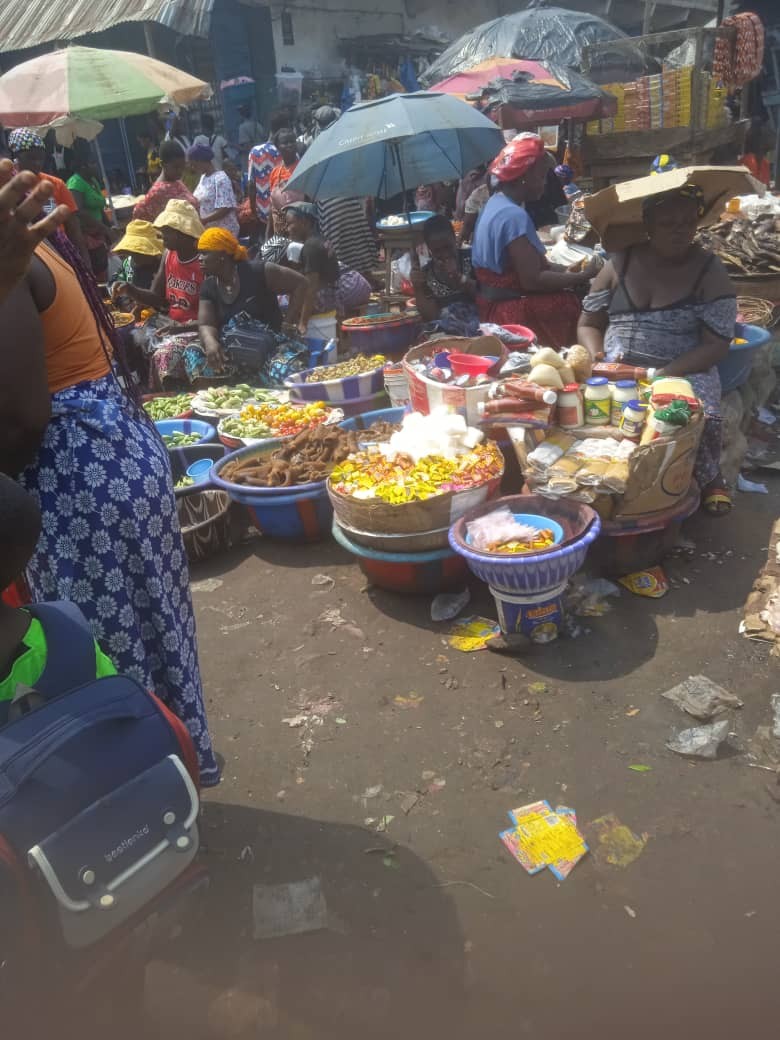
The rising prices of basic commodities have become one of the most pressing economic challenges facing households today. Across Freetown, urban, and rural communities, the cost of food, transportation, and essential goods has increased significantly, placing enormous pressure on livelihoods. For many families, meeting daily needs has become a struggle, forcing difficult choices between food, shelter, healthcare, and education.
Although government authorities and economists often explain the situation using inflation figures and global market trends, ordinary citizens say the real impact is felt in their kitchens, wallets, and daily routines. As prices continue to rise, the gap between income and living costs grows wider, pushing more people into vulnerability.
Food remains the most affected commodity group, with staples such as rice, flour, cooking oil, sugar, vegetables, fish and meat experiencing persistent price increases. Since food accounts for a large share of household expenditure, especially among low-income earners, even small price hikes can have devastating consequences.
At a crowded Waterloo market, I spoke with Aminata Kamara, a rice and grain trader, described how both sellers and buyers are struggling.
“People think traders are happy when prices rise, but that is not true. Our suppliers increase prices almost every time we go to restock. Customers complain, quarrel, and sometimes walk away without buying anything. We are caught in the middle.”
Consumers say their purchasing power has declined sharply. Joseph Bangura, a security guard and father of three, explained how his household has adjusted.
“Before, my family could eat three meals a day. Now, we manage with two meals most days. My salary has not increased, but the price of rice, oil, and fish keeps rising. Life has become a daily struggle.”
Nutrition experts warn that prolonged high food prices can lead to reduced food quality, malnutrition, and long-term health problems, particularly among children and pregnant women.
Transport Ripple Through the Economy
Fuel prices have been reduced but had a ripple effect on the economy, influencing transport fares and the cost of moving goods from producers to consumers. When transport costs increase, traders pass the burden onto buyers, further driving up commodity prices.
Sorie Turay, a commercial motorbike rider, said “spare parts are expensive, and passengers don’t want to pay higher fares and police are disturbing us. We work longer hours just to make the same money we used to make in fewer hours. It is exhausting.”
Taxi and bus drivers share similar frustrations. Higher operating costs reduce profits and increase tension between drivers and passengers, many of whom are also struggling to cope with rising living expenses.
Women Carry a Disproportionate Burden
Women are among the hardest hit by rising commodity prices. In many households, women are responsible for food preparation, budgeting, and childcare, making them more exposed to the daily consequences of price increases.
Mariatu Conteh, a single mother and petty trader, spoke emotionally about the pressure she faces.
“Sometimes I skip meals so my children can eat. School fees, food, transport, everything has increased. Prices have made motherhood more stressful than ever.”
Women traders also face shrinking profits as customers buy smaller quantities. Many are forced to take loans to sustain their businesses, increasing their vulnerability to debt.
Small Businesses and Informal Workers Under Threat
Small and medium-sized enterprises, especially those in the informal sector, are central to employment and income generation. However, rising commodity prices have weakened their ability to operate sustainably.
Mohamed Sesay, who owns a small provision shop, said consumer behavior has changed dramatically.
“People now buy in very small quantities, sometimes just enough for one day. Things that used to finish in one week now stay on the shelves for weeks. Restocking is expensive, and profits are shrinking.”
Street vendors, artisans, and service providers say they are caught between rising input costs and customers who cannot afford higher prices.
Farmers Face Rising Costs of Production
While consumers complain about high food prices, farmers argue that their own production costs have increased sharply. Fertilizers, seeds, tools, labor, and transportation now cost far more than in previous years.
Alhaji Kallon, a small-scale farmer, explained the situation from the producer’s perspective.
“Farming is no longer cheap. Fertilizer alone costs more than double what it used to cost. When we increase prices, people blame us, but they don’t see our expenses. Without support, farming will not be sustainable.”
Experts warn that neglecting farmers could worsen food insecurity, as reduced production may lead to even higher prices in the future.
Education and Healthcare Under Pressure
Rising commodity prices have also affected access to education and healthcare. Many parents struggle to pay school fees, buy uniforms, cover other schools’ expenses or cover transport costs for their children.
Hawa Koroma, a mother of four, described the difficult choices families face.
“Sometimes I have to choose between buying food and paying school-related expenses. When prices rise, children suffer the most. Some days they miss school because there is no transport money.”
Healthcare providers report that some patients delay or avoid seeking medical care due to high living costs, increasing the risk of preventable illnesses becoming severe.
Economic Experts Explain the Bigger Picture
Economists say rising commodity prices are influenced by a combination of global and local factors, including inflation, exchange rate instability, supply chain disruptions, and dependence on imports.
Dr. Patricia Johnson, an economist, explained:
“Even when inflation rates decline, prices rarely return to previous levels. What households are experiencing is a long-term erosion of purchasing power. Without wage increases and local production, livelihoods will continue to suffer.”
She emphasized that urban populations are particularly vulnerable because they rely heavily on purchased food and imported goods.
Social Consequences and Rising Frustration
Community leaders warn that prolonged economic hardship could lead to increased social tension, crime, and migration, especially among young people who feel excluded from economic opportunities.
Samuel Davies, a community leader, at the Calaba Town community said frustration is growing.
“People are working hard but seeing no improvement in their lives. When prices rise and incomes remain the same, hope disappears. This situation, if not addressed, can affect social stability.”
Calls for Policy Action and Support
Civil society organizations and labor unions are calling for stronger government intervention, including price monitoring, wage adjustments, subsidies for essential goods, and investment in local production.
Ibrahim Mansaray, a civil society activist, stressed the urgency of action.
“This is not just about numbers and reports. It is about people going to bed hungry and parents losing dignity. Policies must reflect the lived realities of ordinary citizens.”
A Struggle for Dignity and Survival
The rising prices of commodities have transformed everyday life into a constant struggle for millions of people. From reduced food consumption and stressed households to struggling businesses and vulnerable farmers, the impact on livelihoods is deep and widespread.
As Joseph Bangura, the security guard, summed it up:
“We are not asking for luxury. We just want to afford basic things and live with dignity.”
Until comprehensive and inclusive solutions are implemented, rising commodity prices will continue to shape livelihoods, deepen inequality, and test the resilience of households struggling to survive in an increasingly expensive world.
Copyright –Published in Expo Times News on Wednesday, 28th January 2026 (ExpoTimes News – Expo Media Group (expomediasl.com)