



By: Sulaiman Stom Koroma
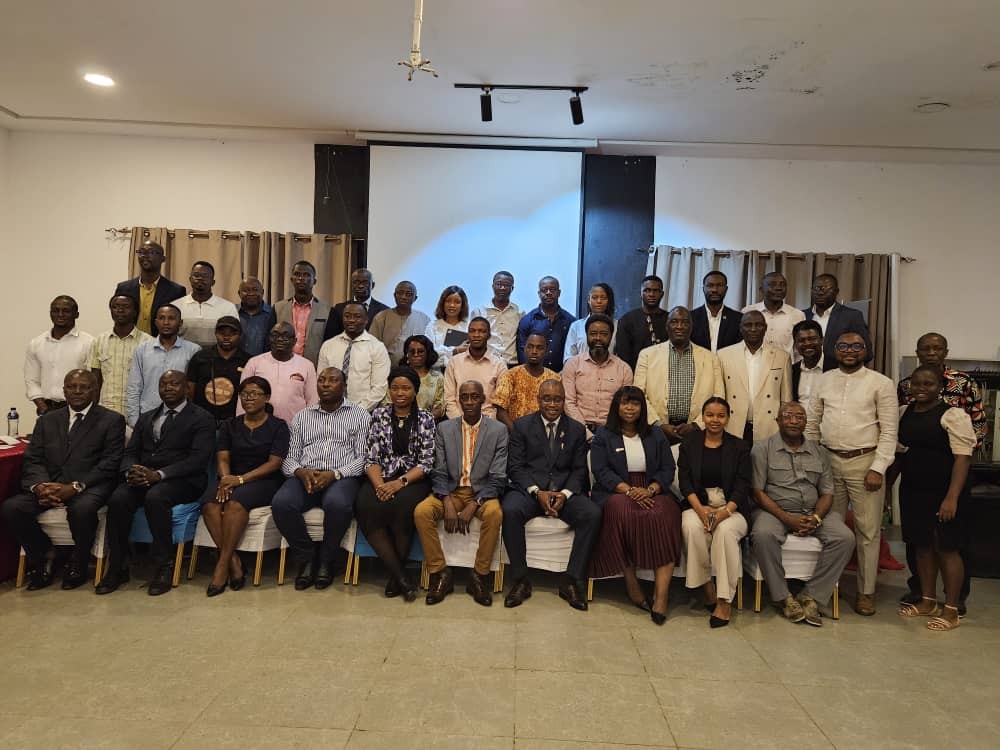
The Ministry of Health, in collaboration with the World Health Organisation (WHO), has successfully concluded a three-day national validation workshop for the draft tobacco and nicotine regulations under the Tobacco and Nicotine Control Act 2022.
Held at the Sierra Palms Hotel in Freetown from November 10th to 12th, 2025, the event brought together stakeholders from various government ministries, agencies, civil society organisations, and health professionals. The goal was to review and validate comprehensive regulations aimed at curbing public use of tobacco and its health implications in Sierra Leone, particularly among children and youth.
In his welcome address, the Deputy Chief Medical Officer for Public Health, Dr Alie Wurrie, stressed that the country is facing a serious threat from smoking-related deaths, especially due to increasing kush consumption. He emphasised that the regulations must align with WHO standards to effectively address the growing crisis.
Speaking at the opening ceremony, the Deputy Minister of Health, Professor Charles Senessie, spoke of the urgency of regulating tobacco use. He pointed out that tobacco is often a gateway drug that leads to more dangerous substances, including kush, he underscored the need for immediate and collective action.
Reynold Senesi, from the WHO Country Office in Sierra Leone, noted that cigarettes remain cheap and accessible in the country, particularly to young people. He encouraged participants to ensure their inputs shape meaningful and practical outcomes during the validation process.
In his statement, Ismaila Kebbie, who is the Deputy Director of NCD and Mental Health, emphasises the need for the regulations, stating that the statistics of smokers are increasing, as is seen in the current kush situation. He called on the stakeholders to align the recommendations with the WHO and other standards in the world.
Key presentations were made by Dr William Onzivu of the WHO Regional Office, who focused on best practices in tobacco control across Africa, and Dr Ranti Fayokun from the WHO Global Office, who introduced participants to new and emerging nicotine and tobacco products.
The workshop’s core objectives were to finalise the draft regulations and prepare them for adoption by the Minister of Health before submission to Parliament for ratification.
On the second day, participants were divided into groups to validate eight key sections of the regulations, including: protection from involuntary smoking, sale and distribution controls, advertising restrictions, manufacturing and importation rules, and enforcement mechanisms.
During the closing session, Reynold Senesi assured that the validated document would not gather dust on shelves but would be implemented to protect public health.
Dr Wurrie thanked participants and called on all stakeholders to become ambassadors in the national fight against tobacco and nicotine-related harm.
The successful completion of the validation process marks a significant milestone in the country’s efforts to strengthen tobacco control and promote healthier communities, especially for children and non-smokers.
Copyright –Published in Expo Times News on Wednesday, 19th November 2025 (ExpoTimes News – Expo Media Group (expomediasl.com)