




By Ramatulai Leigh
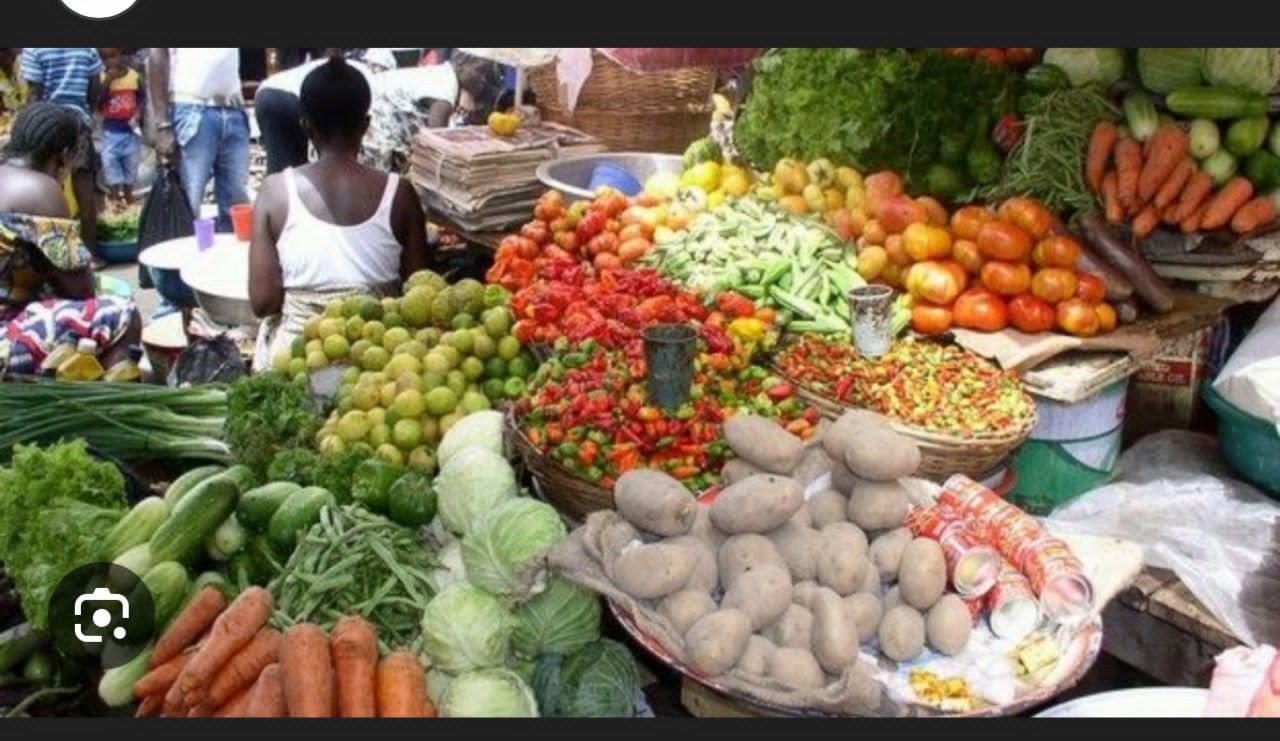
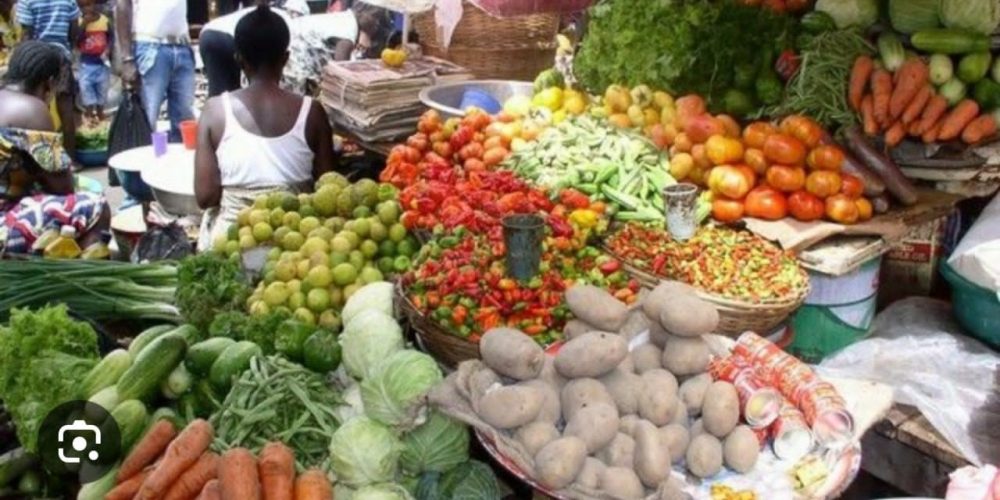
The bustling markets of Hastings form the heartbeat of this vibrant community, where daily life revolves around the trade of fresh produce, fish, and other essential food items. However, as the cost of living continues to rise across Sierra Leone, conversations around food affordability have intensified especially regarding the potential implementation of government-imposed price controls on staple items.
While such measures may seem like a straightforward solution to soaring prices, the economic realities in a dynamic and informal setting like Hastings are far more complex and pose significant challenges.
For many Hastings residents especially those with stagnant or limited incomes the rising cost of staple foods such as rice, cassava, vegetables, and palm oil is a daily burden. A bag of rice, the country’s staple food, or even a pint of palm oil has become difficult to afford for many families.
In this context, the idea of government-enforced price ceilings offers hope. The core intention is to ensure that every household, regardless of income level, can afford nutritious food. To many, this seems like a lifeline in the face of economic hardship.
However, both economic theory and practical experience across Sierra Leone suggest that price controls on locally produced food can lead to a series of unintended and potentially harmful consequences.
Farmers from Hastings and surrounding rural areas work hard to bring produce to market, motivated by profit. If government-mandated prices are set below production costs or provide insufficient returns, many farmers may abandon farming altogether. This would reduce food supply and worsen the very shortages price controls are intended to address.
When official prices are artificially low, black markets often emerge. In these informal systems, goods are sold at true market prices, but illegally. This undermines the formal economy and often forces consumers to pay more for lower-quality goods, with no means to seek redress.
Squeezed by reduced profits, farmers may cut corners using less fertile land, fewer inputs, or abandoning crops that aren’t profitable. The result? A decline in both the quality and variety of food available in local markets.
Petty traders mostly women are the backbone of Hastings’ informal food economy. They operate on thin margins, and price controls could push many out of business. This would not only affect their families but also disrupt critical food distribution networks between farms and tables.
Enforcing price controls in Hastings’ informal market landscape would be extremely difficult. Monitoring countless daily transactions and ensuring compliance would require extensive government resources. Without proper oversight, such efforts could foster corruption and inefficiency.
Rather than enforcing blanket price controls, a more effective and sustainable solution may lie in addressing the underlying factors driving high food prices.
Investing in quality seeds, fertilizers, irrigation systems, and improved farming techniques can increase yields in the rural communities surrounding Hastings. A greater supply of local food would naturally lower prices over time.
Upgrading roads and transportation networks from rural farming areas to Hastings markets would reduce transport costs. This allows farmers to sell goods at more competitive prices without sacrificing profit.
Access to accurate, real-time information on market demand and pricing can help farmers and traders align their activities to reduce waste and avoid price spikes.
Encouraging small-scale food processing such as drying vegetables or producing cassava flour can create new income opportunities, reduce food waste, and offer more affordable, shelf-stable products to consumers.
Instead of controlling prices, direct financial support or food assistance for the most vulnerable households can help ensure food access without disrupting market forces.
The idea of price control on local food in Hastings comes from a place of genuine concern to ease the daily burden on residents. But while the intent is noble, the risk of unintended negative consequences is high.
A more nuanced and strategic approach focused on empowering local producers, improving market efficiency, and offering targeted support to the most vulnerable is more likely to deliver long-term food security and economic well-being.
The challenge for policymakers lies in finding the delicate balance: making food affordable while fostering a thriving, sustainable local food economy.
Copyright –Published in Expo Times News on Monday,21th July, 2025 (ExpoTimes News – Expo Media Group (expomediasl.com)