






By Ramatulai Leigh
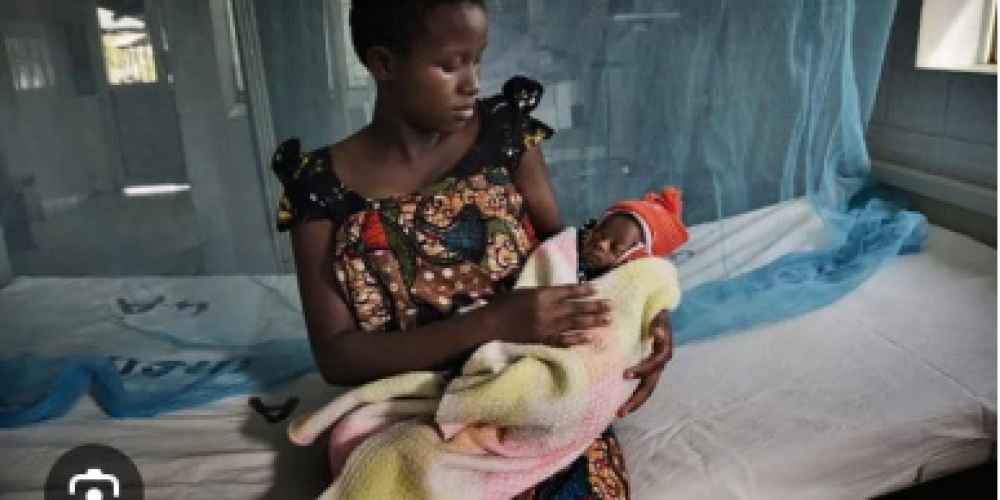
In a community that prides itself on progress in education, healthcare, and social development, the reality for many adolescent girls remains troubling. Teenage pregnancy is not just a statistic it’s a complex issue with deep, long-lasting consequences. It disrupts young lives, burdens families, and hinders the community’s overall growth. This article explores the profound impact of teenage pregnancy and what Model Community can do to better understand, prevent, and support those affected.
Adolescent girls are still developing physically and emotionally, making pregnancy particularly dangerous for them. Without proper prenatal care which many teenage mothers cannot access due to lack of knowledge, money, or support the risks are greatly amplified.
Life-threatening high blood pressure conditions common in adolescent pregnancies, Anemia Iron deficiency caused by poor nutrition, leading to fatigue and higher risks during childbirth. Premature Babies born to teenage mothers face increased risks of developmental issues.
A young girl’s underdeveloped pelvis can lead to prolonged labor and injuries like obstetric fistulas. Globally, pregnancy-related complications are a leading cause of death among adolescent girls even in well-intentioned communities with growing healthcare systems. Limited sex education and lack of safe practices put teenage mothers at higher risk of contracting STIs, including HIV.
The abrupt shift from adolescence to motherhood can trigger serious mental health issues, including postpartum depression. If the pregnancy results from abuse or is unsupported, the experience becomes even more traumatic. Teenage pregnancy interrupts self-discovery, stunts personal development, and can lead to low self-esteem. Young mothers often feel cut off from peers, increasing emotional distress and loneliness.
Education is the cornerstone of opportunity but for many pregnant teenagers, it becomes a casualty of their situation. Most pregnant teens leave school due to stigma, physical demands, childcare responsibilities, or unsupportive policies even in progressive communities. Those who try to stay in school often struggle with fatigue, stress, and time management. A lack of education reduces employment prospects, trapping young mothers in cycles of poverty. Beyond academics, school offers social development and joyful learning experiences many young mothers miss entirely.
Despite the values of inclusivity and growth, judgment and discrimination remain rampant. Friends may distance themselves, leading to further isolation and emotional damage.While some families support their daughters, others may respond with anger or rejection sometimes resulting in homelessness or financial strain. Subtle discrimination from stares to exclusion forces many young mothers into the shadows. The baby’s father may be absent or unprepared, and in cases involving older partners, the power dynamics can be harmful or exploitative.
Teenage pregnancy often initiates a lifelong battle against financial instability. Raising a child is expensive. Most teen mothers lack steady income and may rely heavily on family or social assistance. Without education or training, young mothers are stuck in low-paying, unstable jobs. Continued reliance on others limits personal growth and decision-making power. Children of teenage mothers often inherit the same struggles, perpetuating a poverty cycle.
Teenage pregnancy closes doors that are often hard to reopen. Aspirations for higher education, careers, or travel are often abandoned in favor of childcare responsibilities. Teenage years are critical for self-discovery. Early motherhood can cut this journey short. Early pregnancy can leave permanent impacts on a young woman’s physical and reproductive health. Daughters of teenage mothers face a higher likelihood of becoming teenage mothers themselves.
Teenage pregnancy is not just a personal or family issue it affects the entire community. Healthcare, social welfare, and education systems all face added burdens. When young girls drop out of school, the community loses future leaders, innovators, and workers. More families may struggle with economic hardship, impacting overall quality of life.
Stigma and isolation can lead to division within the community. Long-term effects, such as health disparities and poverty, can persist across generations. Despite the challenges, Model Community has a real opportunity to make a difference. Prevention and support are key, introduce age-appropriate, fact-based sex education covering consent, contraception, and consequences.
Make contraceptives readily available and ensure privacy for adolescents. Encourage mentorship, education, and skills training to show girls a future beyond early motherhood. Include them in discussions on consent, responsibility, and respectful relationships. Fight poverty, gender inequality, and lack of opportunity to reduce risk factors offer evening classes, online learning, and childcare to help girls continue schooling.
Ensure both prenatal and mental healthcare are available and affordable. Provide parenting classes, mentorship, and emotional support groups. Equip young mothers with vocational skills, job placement, and financial literacy training. Promote a culture of empathy to reduce stigma and encourage help-seeking behavior.
Teenage pregnancy leaves deep marks on girls, families, and communities. It hinders progress, exacerbates inequality, and weakens the social fabric. But with determination, compassion, and collective action, Model Community can rise to the challenge.
By prioritizing prevention, investing in young mothers, and dismantling harmful stigmas, we can transform lives. Teenage pregnancy does not have to mean lost potential it can be the beginning of a powerful story of resilience and recovery. Together, we can ensure that every young person regardless of their past is given the chance to thrive, contribute, and shine.
Copyright –Published in Expo Times News on Friday,11th July, 2025 (ExpoTimes News – Expo Media Group (expomediasl.com)