



By Thaimu T Kamara
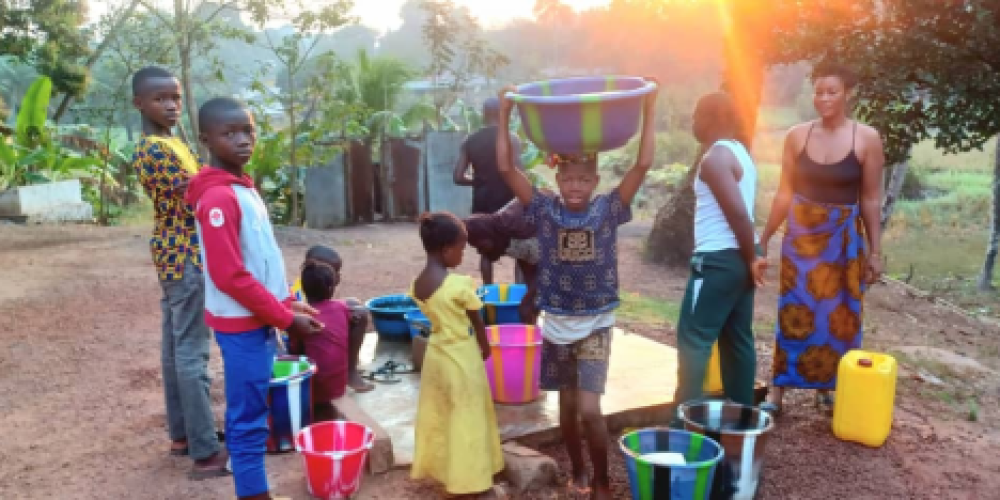
Rokupr community grapples with a severe water shortage that has left many residents, especially children, struggling to secure clean drinking water for their households. The lack of piped borne water has forced families to rely on distant sources, leading to significant challenges in daily life.
With no direct access to potable water, children as young as six years are often tasked with the responsibility of walking miles to collect water from nearby wells and rivers. These difficult journeys not only take a toll on their physical well-being but also disrupt their education, as many children miss school to fulfil this essential chore.
Local families describe the situation as dire, with mothers expressing concern about their children’s safety during these long walks. “Every day, my children leave early in the morning to fetch water, and I worry about them,” said Amina Kamara, a mother of three. “It’s not just the distance; it’s the dangers they face on the way.”
We need the intervention of government, NGOs and SAWALCO to help salvage this pressing issue.
Community leaders have raised concerns about the impact of the ongoing water crisis on children’s health and education. The situation is exacerbated by the lack of sanitation facilities, further risking the well-being of the community.
Efforts to address the water shortage have been slow, with insufficient government intervention and limited resources for infrastructure development. Residents have called on Government to prioritize the installation of piped borna water systems in Rokupr, which would easing a burden on families and improve access to safe water.
“We need urgent action,” stated Councillor Abu Bakarr Gbeteh Kamara. “Our children deserve to focus on their education and play without the constant worry of finding water. The government must take this issue seriously.”
As the situation continues to develop, the Rokupr community remains hopeful for a resolution that would bring this struggle to an end.