



By Amara Kargbo
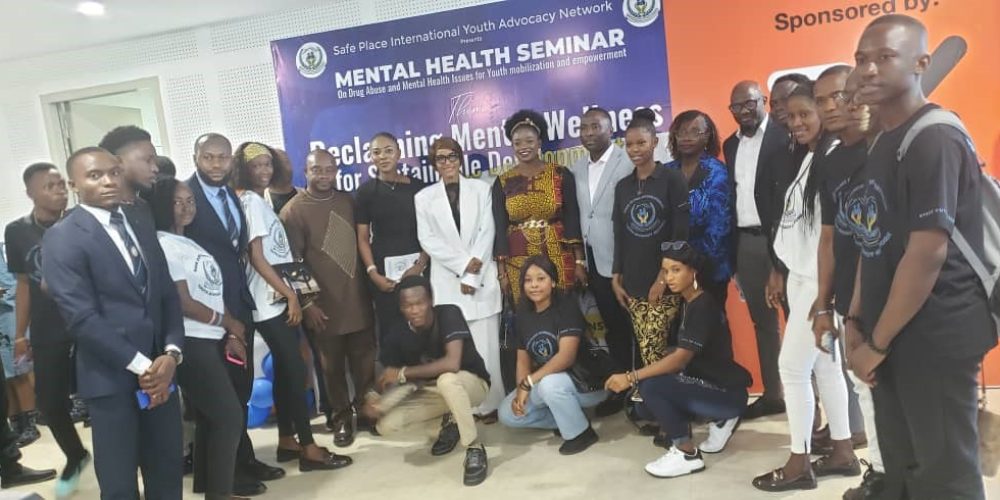
At a transformative seminar organized by the Safe Place International Youth Advocacy Network, Liberia’s Ambassador to Sierra Leone and others highlighted the pressing need for institutional reform to combat the escalating drug abuse and mental health crises affecting youth.
Angie Kolue Nynemah Lavela Von Ballmoos, Ambassador Extraordinary and Plenipotentiary stated the crucial role that institutions play in tackling contemporary challenges, underscoring the need to evaluate their adequacy and awareness of their responsibilities in creating a supportive environment.
The event took place at the Freetown City Council Administration on the 14th of November, 2024.
The ambassador highlighted the deficiencies of existing institutions and the dearth of essential skills among both youth and staff, impeding success in the modern workforce. She urged governments to prioritize the enhancement of structures, systems, and institutional capacities to meet these challenges.
Specifically addressing African institutions, she emphasized the importance of capacity building and policy evaluation. She stressed the need for thorough assessments before and after policy implementation, especially in the context of past crises such as civil wars, Ebola, and COVID-19. She lamented the underdevelopment of many African institutions and the neglect of individual skills within these organizations, leading to unqualified staff often hired through personal connections rather than merit.
To overcome these obstacles, Ambassador Von Ballmoos proposed a comprehensive revamping of institutions to meet 21st-century standards. This transformation should include ensuring that personnel are trained and equipped with modern skills, particularly in technology and artificial intelligence. She also stressed the necessity of public-private partnerships to alleviate the burden on governments.
The Ambassador emphasized the need for institutions to adapt and elevate their capacities to empower individuals and create job opportunities, particularly for women and children. She called for a transformative approach to policy formation, implementation, and evaluation, aligning them with global standards to cultivate a skilled workforce.
Sharing her personal journey as a refugee and now an ambassador, Ambassador Von Ballmoos voiced her frustration over the underrepresentation of women in the workplace and the inadequacy of government policies claiming to support them. She noted that Sierra Leone’s mere 30% inclusion target as insufficient, given the crucial roles women play in society. She condemned the competition and lack of support among women, which further hampers their progress.
The Ambassador advocated for establishing supportive structures, such as government-funded daycare centers, to assist working mothers in balancing their responsibilities. She emphasized the importance of public-private partnerships in promoting women’s needs in policy-making, particularly in areas like maternity leave and equal pay.
She urged women to clearly define their personal space and roles to avoid negative impacts on their mental health. Collaborative efforts from both women and governments are essential for community change, and she advocated for better resources and support structures, particularly in education.
She encouraged individuals to take pride in their identity and upbringing, which can mitigate stress and mental health problems. She encouraged young people to focus on their education and resist shortcuts, as these can create additional pressure on themselves and their families.
The seminar recognized the urgent need for reclaiming mental wellness and developing youth in the Manor River Union region, where civil war has left deep social and psychological scars. Holistic approaches, reliable data, and collaborative action were emphasized as essential elements in cultivating sustainable development.
Solomon Jamiru, a Legal Practitioner, expressed concerns about the prevalence of mental health issues in various settings, including schools, workplaces, and among law enforcement. He highlighted the need for legal protections for those with mental health conditions, pointing out the current discriminatory laws that fail to consider health status.
He advocated for a new mental health law in Sierra Leone that aligns with human rights standards, contrasting it with outdated legislation like the Lunacy Act of 1902, which allows arbitrary arrests of individuals deemed mentally ill. He stressed the importance of robust legal frameworks to protect the rights of people with mental health conditions.
Aglyn Tennnisha Kamara, Executive Director of the Safe Place International Youth Advocacy Network, noted the importance of the conference’s focus on mental health and drug abuse, highlighting the role of attendees as “agents of change” in their communities and shared the experiences of witnessing the struggles of young individuals impacted by addiction.
Ansu Konneh, Director, Mental Health Psycholosocial Service, Ministry of Social Welfare, stated that youth face rising mental health issues, exacerbated by drug and substance abuse. He called for updated legislation and supportive workplace policies to address the needs of young people.
Dr. Afren Vandy, a representative from the World Health Organization, outlined the efforts to support government policies and frameworks related to mental health. She stressed the need for continuous efforts in managing stress and the importance of collaboration with organizations like Safe Place International to raise awareness and provide mutual support for mental well-being.
As the seminar concluded, participants affirmed their commitment to advocacy and collaboration in advancing institutional reform, empowering women, and reclaiming mental wellness for youth. The event set the stage for continued efforts to address the critical issues facing the region’s future generations.